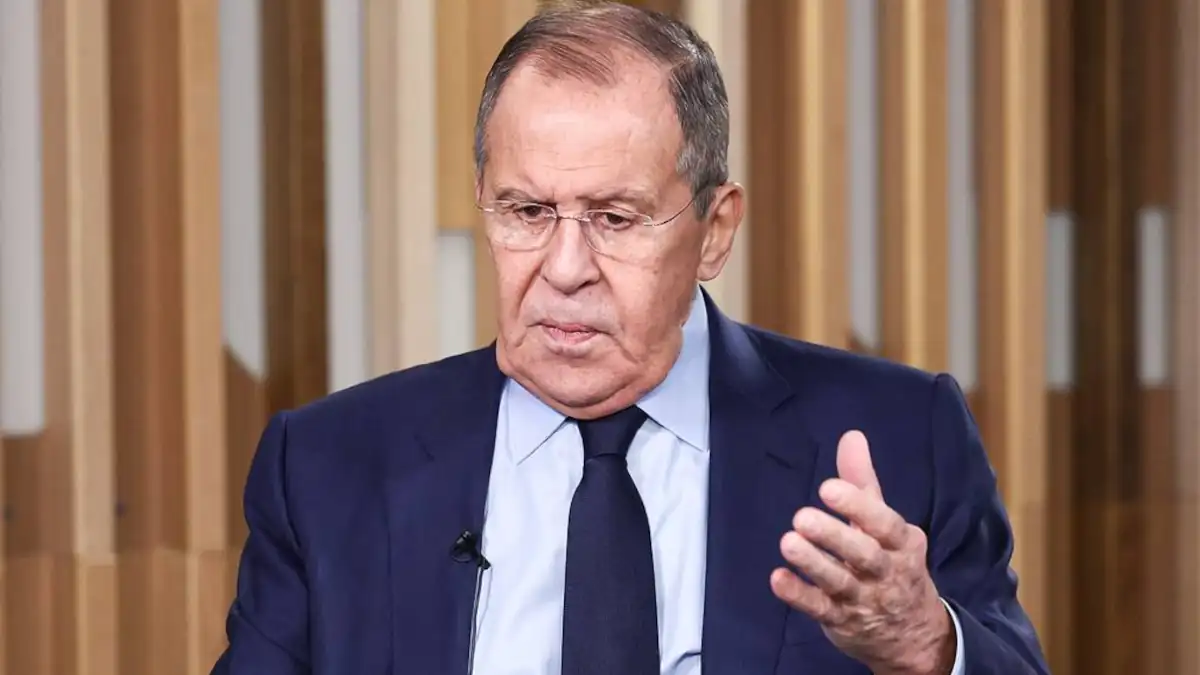
The latest diplomatic confrontation between Moscow and Kiev is unfolding across East Africa, where accusations and counter-accusations are reshaping regional alliances. During a high-profile visit to Bujumbura on July 10, Russia’s foreign minister Sergey Lavrov alleged that Ukrainian citizens were actively supporting the M23 rebel group in eastern Democratic Republic of the Congo, alongside Congolese forces and Burundi. Ukraine swiftly dismissed the claim the following day.
Unsubstantiated claims raised during Lavrov’s African tour
Lavrov made the remarks at a joint press conference with Burundi’s foreign minister Édouard Bizimana, following a meeting with President Évariste Ndayishimiye, who currently holds the rotating presidency of the African Union. He described the M23 as being backed by “foreign representatives, including Ukrainians,” but provided no evidence or further details about their alleged role. The M23, a UN-sanctioned armed faction, has controlled significant portions of North Kivu and South Kivu since capturing Goma in January 2025. Multiple UN expert reports have documented its supply lines through the Rwandan Defence Forces.
The Ukrainian foreign ministry responded through spokesman Heorhii Tykhyi, calling Lavrov’s statements “groundless disinformation.” Tykhyi countered by accusing Russia of violating international sanctions by arming rebel groups and recruiting fighters from African states to fight in Ukraine. He suggested that Moscow’s move was aimed at undermining U.S.-led peace efforts in the Great Lakes region.
Past controversies in Mali weaken Kiev’s credibility
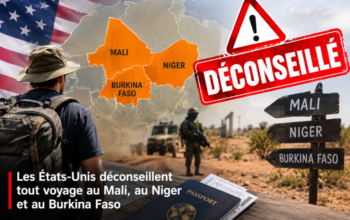
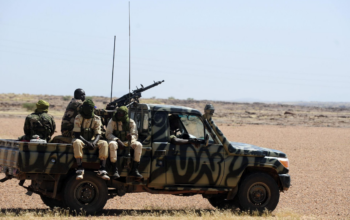
In late July 2024, a convoy of Russian mercenaries from the Wagner Group and Malian soldiers was ambushed by Tuareg rebels and the Group for the Support of Islam and Muslims (JNIM) in northern Mali. The attackers claimed to have killed dozens from both sides. Just days later, on July 29, Ukraine’s military intelligence spokesperson Andriy Yusov told state broadcaster Suspilne that the attackers had received “all necessary intelligence” from Ukrainian sources. Kiev later backtracked, failing to ease tensions with Bamako and Niamey. By August 2024, Mali and Niger had severed diplomatic ties with Ukraine—a move later joined by Burkina Faso. Bamako has since brought the matter before the UN Security Council.
Similar narratives emerge in Sudan’s civil war
The ongoing conflict in Sudan, which began in April 2023 between the Sudanese Armed Forces and the Rapid Support Forces (RSF), has seen comparable claims surface. By late 2023, reports surfaced about a Ukrainian GUR special unit called “Timur,” though Kiev neither confirmed nor denied its involvement. Videos allegedly from this unit, released in January 2024, showed drone strikes targeting fighters identified as Russian mercenaries and their local allies. In October 2025, Sudanese military officials announced the deaths of foreign fighters, including Colombians and Ukrainians, who had joined the RSF in battles around El Fasher.
These two prior incidents cast doubt on Ukraine’s denial regarding Congo. In Mali, an official spokesperson initially claimed involvement before retracting the statement. In Sudan, ambiguity has persisted without resolution. In the case of the M23, no Ukrainian source—official or otherwise—has yet established any link. The Congolese dossier remains unverified at this time, even as Lavrov continues his African tour ahead of the third Russia-Africa Summit, scheduled for October 28–29 in Moscow.