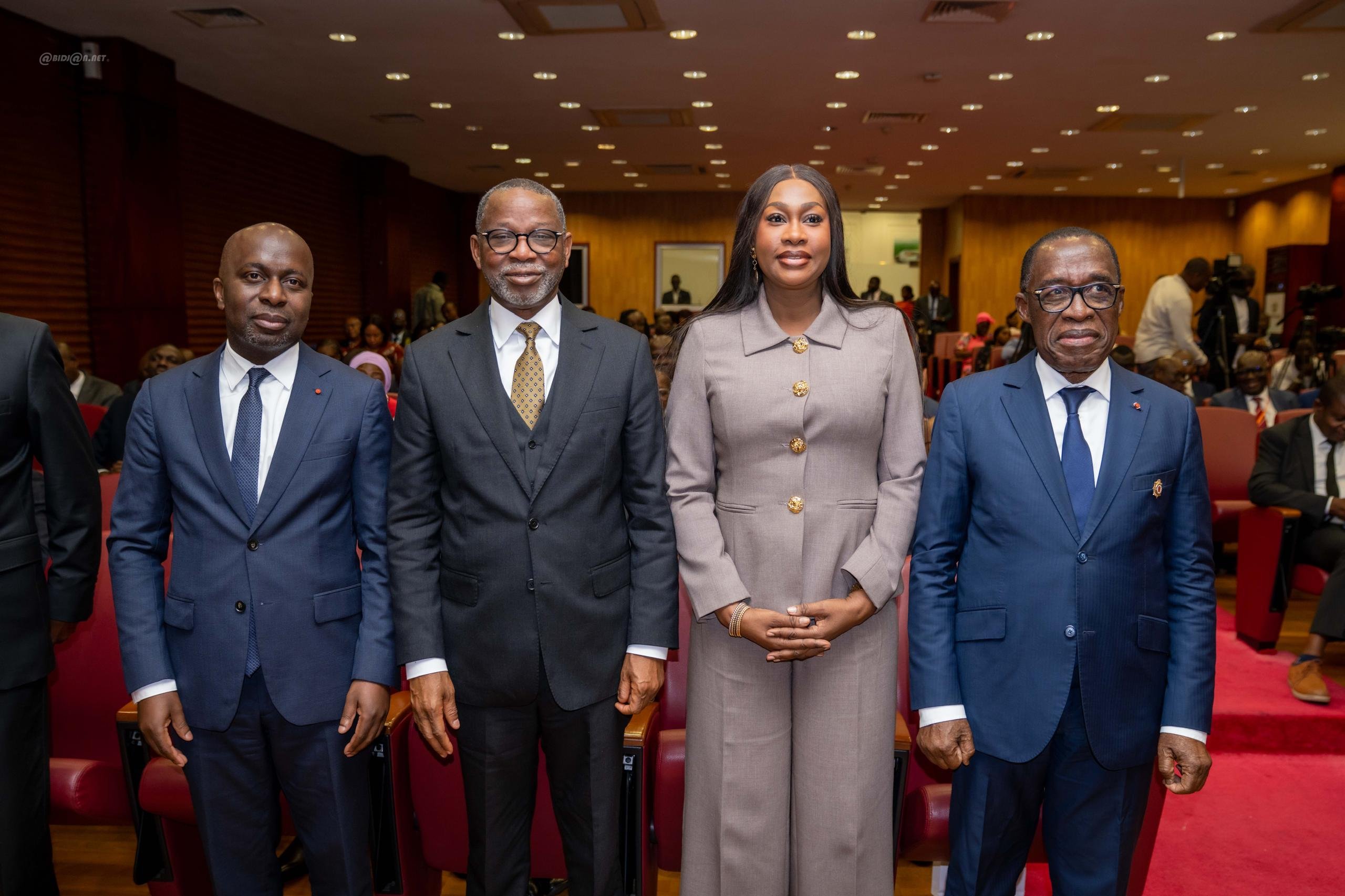
The National Agency for Vocational Training (AGEFOP) in Côte d’Ivoire unveiled a groundbreaking skills-needs assessment report on June 18, 2026, in Abidjan. The report, developed under the Passeport-Compétences national program, aims to bridge the gap between young people’s skills and the actual demands of the labor market.
The pilot phase of this initiative, which involved over 800 formal and informal sector structures across South-Comoé, Yopougon, and the Savanes District, identified real-time workforce requirements. With these findings, the program is set to expand nationwide.
Building a data-driven employment framework
Dr. Eugène Aka Aouélé, Chair of the Economic, Social, Environmental, and Cultural Council (CESEC), highlighted the study’s significance: “Matching training with employment is not a distant dream but a systematic process grounded in tangible data. This initiative prioritizes human capital as the cornerstone of Côte d’Ivoire’s progress.”
He emphasized that the Passeport-Compétences program goes beyond conventional training by certifying hands-on experience. “This marks a major advancement in human capital development. The findings will guide our future employment policies, and today’s launch signals the national rollout. For young Ivorians, this program is a commitment from the State to ensure your skills become your greatest asset,” he stated.
Transforming training into employment opportunities
Maître Adama Kamara, Minister of Employment, Social Protection, and Vocational Training, described the program as an accelerator of progress rather than a corrective measure. “The goal is to translate economic growth into skilled employment opportunities.”
He outlined key objectives: identifying nationwide skill gaps, upskilling and integrating beneficiaries into the economy, validating informal sector workers’ experience, and supplying businesses with a qualified workforce. “Field insights will help refine training curricula, redirect resources to high-demand sectors, and strengthen partnerships between businesses, local authorities, and government agencies,” he explained.
Vocational training as a strategic investment
Karita Coulibaly De Medeiros, AGEFOP’s Director-General, underscored the shift in perception: “Vocational training is no longer a secondary policy or social expenditure. It is now recognized as a strategic investment for national competitiveness, job creation, social inclusion, and sustainable prosperity.”
She added, “The Passeport-Compétences program redefines the relationship between training, local economies, and businesses. It operates on a simple yet powerful premise: effective training requires precise knowledge of what skills a region, company, or industry truly needs. That’s why we began on the ground—listening to employers, analyzing evolving job roles, and anticipating future demands.”
By aligning training institutions, businesses, and local governments, AGEFOP is fostering sustainable skill development and seamless workforce integration, she noted. “This program creates a shared language among companies, territorial authorities, training providers, communities, and public institutions. It transforms skills into a strategic national asset.”
The initiative’s ultimate aim is to empower every Ivorian to convert their potential into recognized expertise, turning skills into a passport to employment, economic independence, and dignity. Launched in March 2025 in Grand-Bassam, the Passeport-Compétences is a cornerstone of Côte d’Ivoire’s human capital development strategy.