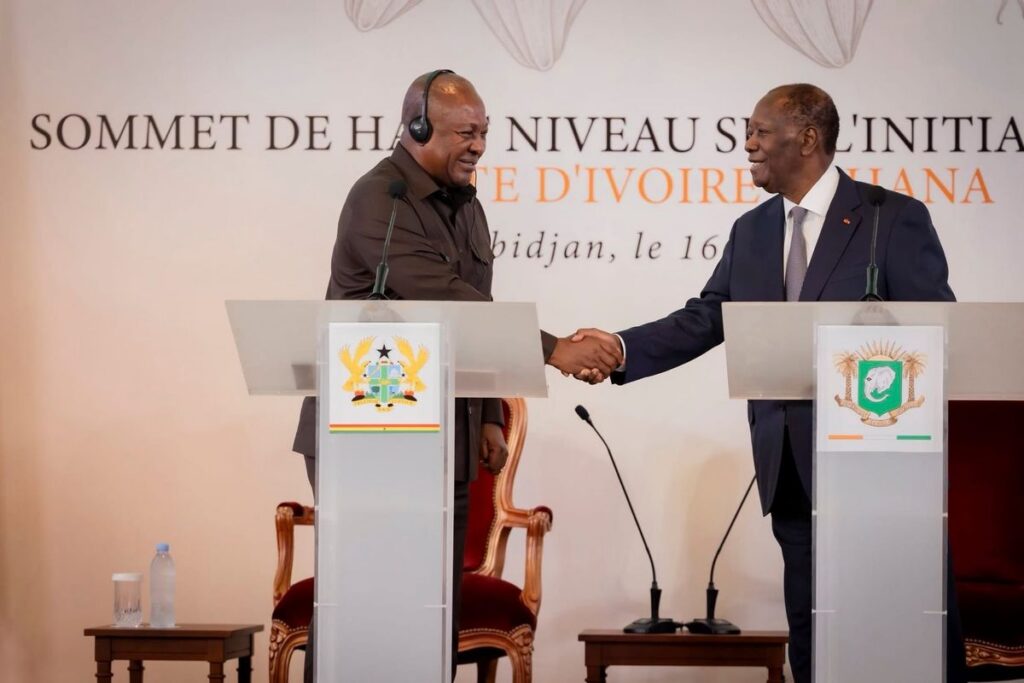
Côte d’Ivoire-Ghana : unis pour une économie cacaoyère durable
The presidents of Côte d’Ivoire and Ghana reaffirm their commitment to building a sustainable cocoa economy, facing global and climatic challenges.
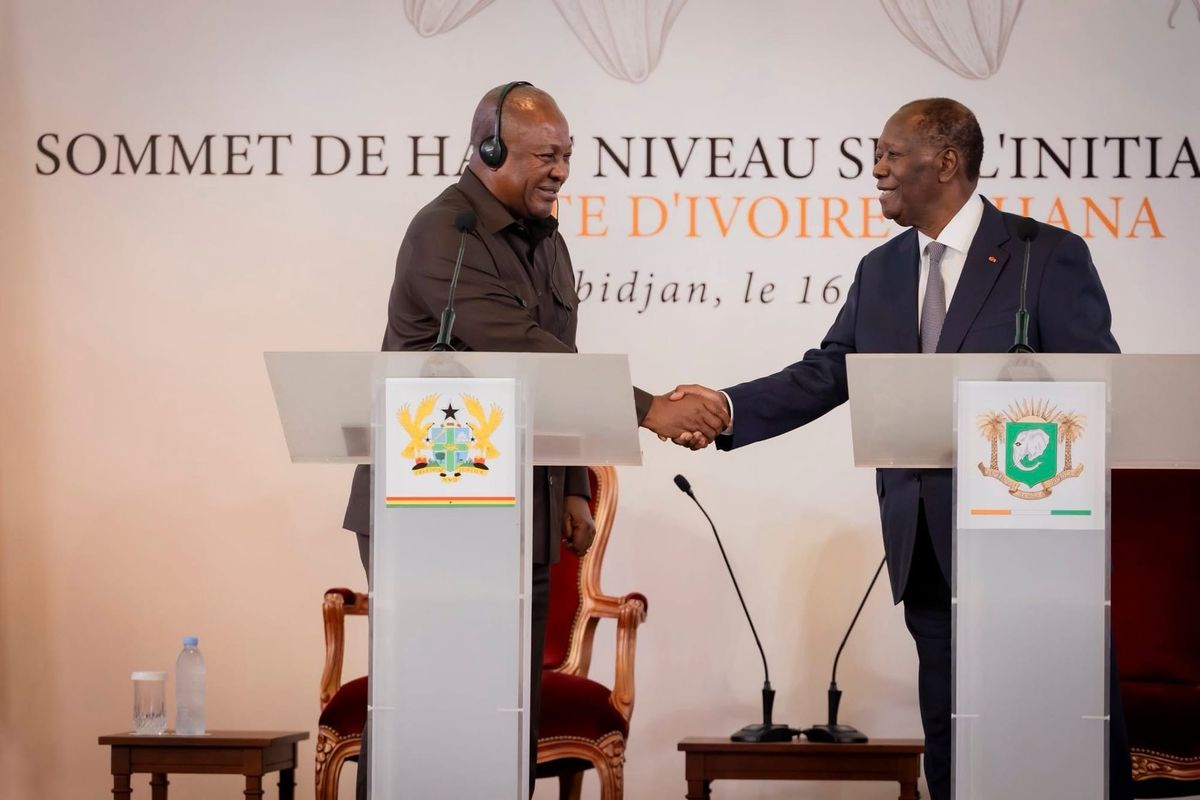
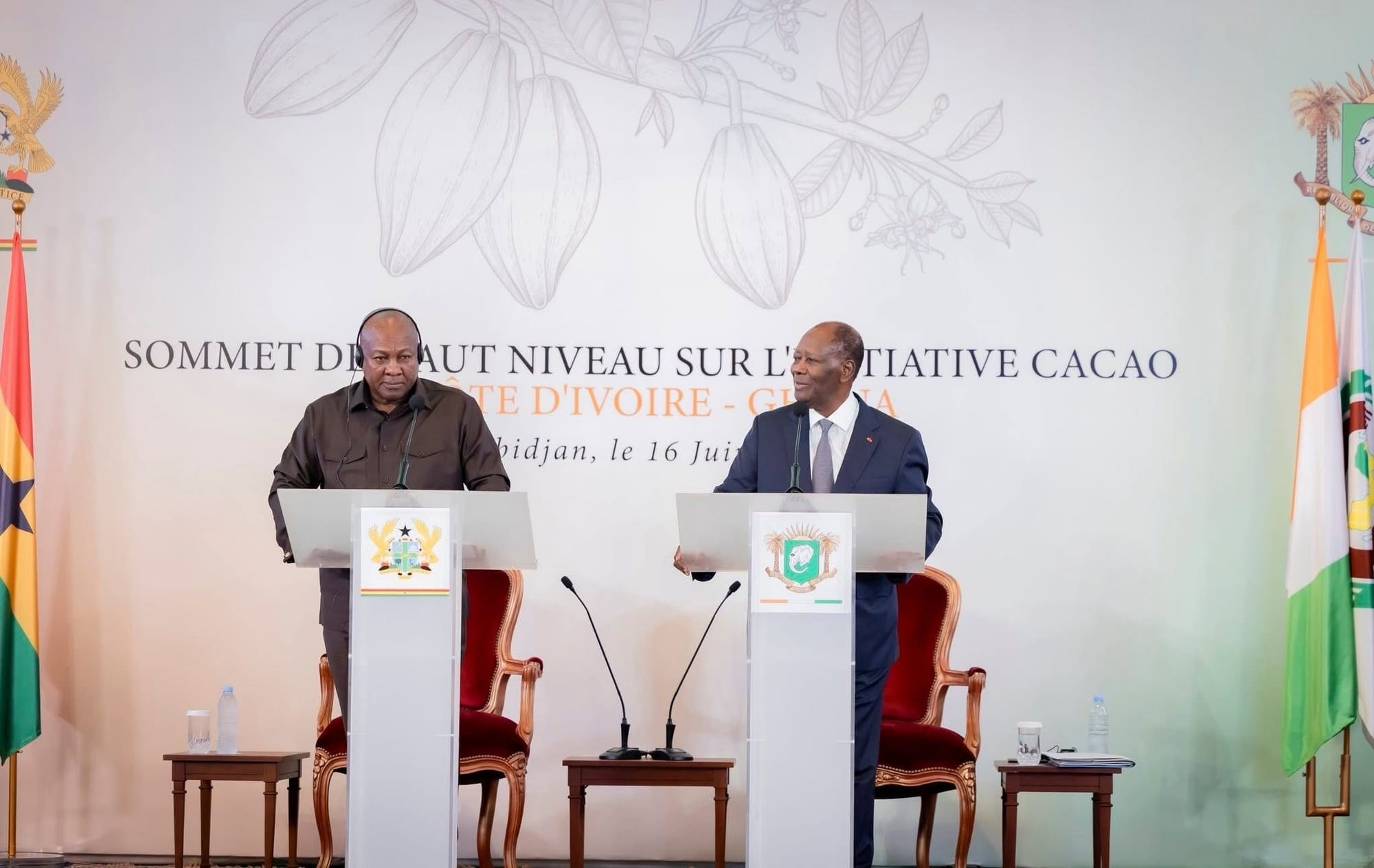
During the high-level summit on the Côte d’Ivoire-Ghana Cocoa Initiative, held on June 16, 2026, I witnessed Presidents Alassane Ouattara of Côte d’Ivoire and John Dramani Mahama of Ghana unequivocally reiterate their shared commitment to fostering a sustainable cocoa economy.
President Ouattara emphasized their joint resolve, stating, “My brother, President John Dramani Mahama, and I reaffirm today our determination to collectively pursue the establishment of a just, prosperous, and sustainable cocoa economy for Côte d’Ivoire, for Ghana, and for Africa.”
For the Ivorian head of state, the future of the cocoa sector represents a critical matter of economic sovereignty, social stability, and shared prosperity for both nations. Cocoa sustains millions of individuals in rural areas, making substantial contributions to the income of our populations, generating employment, and mobilizing essential resources to fund development policies.
President Ouattara expressed satisfaction with the significant achievements garnered through the Côte d’Ivoire-Ghana Cocoa Initiative. He also cautioned that these successes should not overshadow the inherent challenges facing the sector, including the volatility of global prices, the repercussions of climate change, and evolving international regulatory demands concerning sustainability and traceability. He urged the gradual formation of an African coalition of cocoa-producing countries, capable of amplifying the continent’s voice in the global governance of the cocoa industry.
Ghanaian President John Dramani Mahama, for his part, stressed the imperative to continue dedicating greater efforts and financial investments into this vital sector to ensure its robust development.
President Mahama articulated his desire for Côte d’Ivoire and Ghana to further enhance synergy between their respective institutions, thereby strengthening bilateral relations and fostering the sector’s growth and resilience. “Our objective is to equip farmers with all the necessary elements to continue producing high-quality cocoa beans,” he affirmed.
It is noteworthy that these two West African nations alone account for over 60% of global cocoa production, with the African continent collectively supplying nearly 80%.
You may also like
Niger’s jailing of lawyer Abdourahamane Lirwana: is free speech now a crime in the country?
Can Benin turn a €500 million loan into lasting social change?
Burkina Faso: what does Ibrahim Traoré’s four-year record truly mean for the displaced and the silenced?
Will Benin’s UCESIF gambit in Bucharest pay off for francophone social dialogue?
Niger’s sovereignty paradox: can the junta’s UN rhetoric survive the SOMAÏR and SONIDEP collapse?