Congo opposition protests constitutional revision bid by president
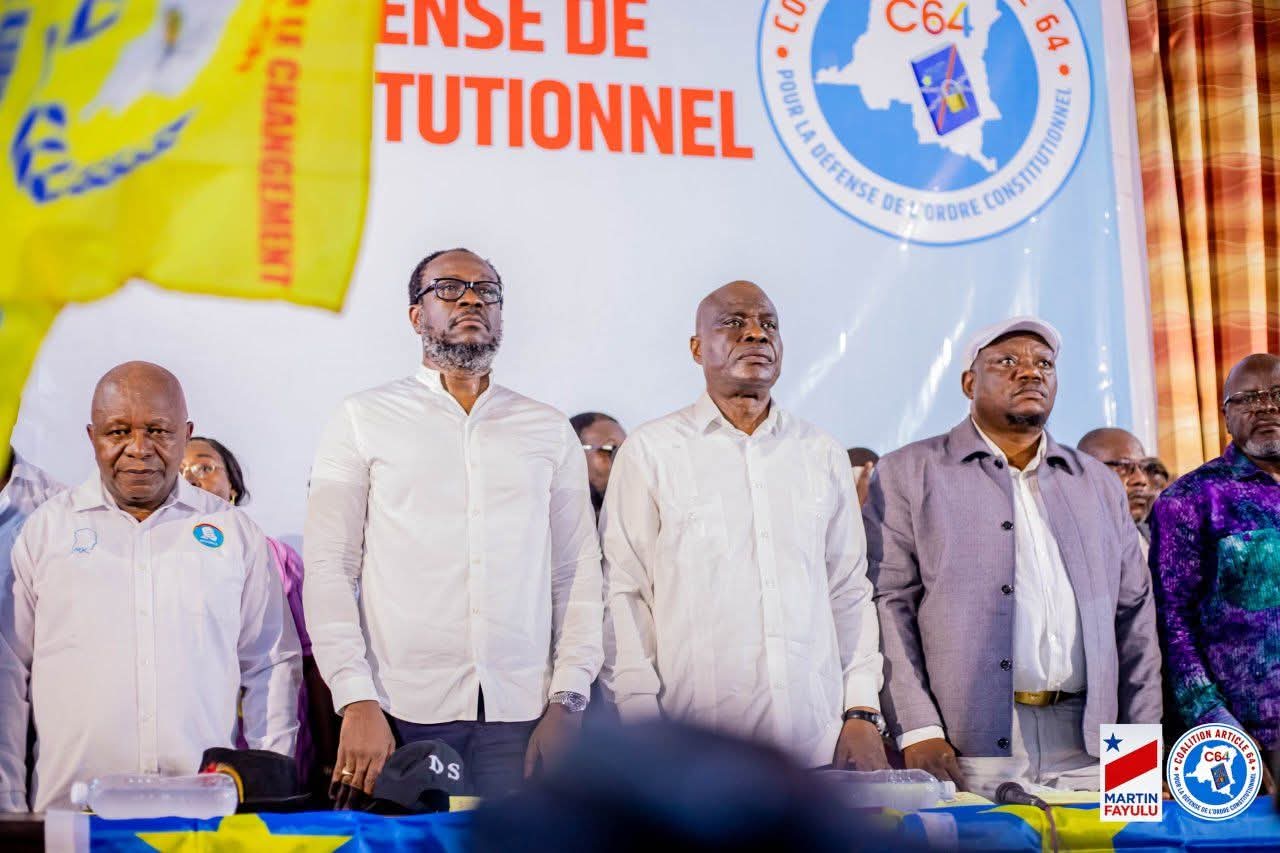
The Democratic Republic of the Congo (DRC) is witnessing heightened political tensions as opposition factions and civil society groups escalate their resistance against President Félix Tshisekédi’s potential bid for a third term. On June 3, a coalition of leading opposition parties and prominent civil society organizations, collectively known as the C 64, called for a nationwide ‘ghost town’ protest to voice their opposition to constitutional changes that could pave the way for Tshisekédi’s reelection bid. The strike’s impact was immediate and widespread, with major cities like Kinshasa grinding to a near halt as businesses shuttered their doors in solidarity.
constitutional revision in the DRC hinges on political power dynamics
While the opposition celebrates this initial show of force, it remains uncertain whether their efforts will sway President Tshisekédi, who has shown no signs of backing down from his political ambitions. The head of state has strategically bypassed constitutional term limits by pursuing a referendum-driven approach, framing his efforts as a democratic mandate from the people. History suggests such maneuvers rarely fail in the region. From Gabon’s late leader Omar Bongo to other African heads of state, electoral processes are often designed to secure desired outcomes rather than reflect genuine public will.
In a strategic counter-move, pro-government factions are rallying their own supporters. Religious leaders aligned with the administration have announced plans for a public demonstration on June 5 to publicly endorse Tshisekédi’s constitutional revisions. The outcome of this constitutional battle will ultimately hinge on which side commands greater influence on the ground. If Tshisekédi’s camp maintains dominance, the changes may proceed; if the opposition amplifies its mobilization, the initiative could collapse under public pressure. This mirrors past political confrontations in the DRC, where mass protests previously forced Joseph Kabila to abandon his own third-term ambitions in 2018, paving the way for Tshisekédi’s rise to power.
Tshisekédi’s priorities questioned amid national crises
President Tshisekédi’s push for constitutional change comes at a precarious moment for the DRC, where a severe security crisis grips the eastern regions, leaving vast areas beyond government control. With armed conflicts, recurring Ebola outbreaks, and a fragile socio-economic landscape, the country faces existential threats. Critics argue that instead of addressing these urgent challenges, Tshisekédi’s focus on extending his tenure risks deepening instability. Earlier this year, religious leaders submitted a Social Pact to the president, urging an inclusive national dialogue to resolve the DRC’s multifaceted crises. Yet, months later, no meaningful progress has been made toward implementing these recommendations.
The president’s apparent determination to pursue constitutional changes despite widespread opposition raises questions about his strategic priorities. In a region where political leaders often repeat the mistakes of their predecessors without learning from history, Tshisekédi’s gamble may ultimately leave the DRC more divided than ever.