Chad’s ‘Hadid kilo’ scrap trade fuels child theft, parents warn
The booming ‘Hadid kilo’ scrap metal trade in N’Djamena is pushing children into theft, sparking urgent calls for government intervention.
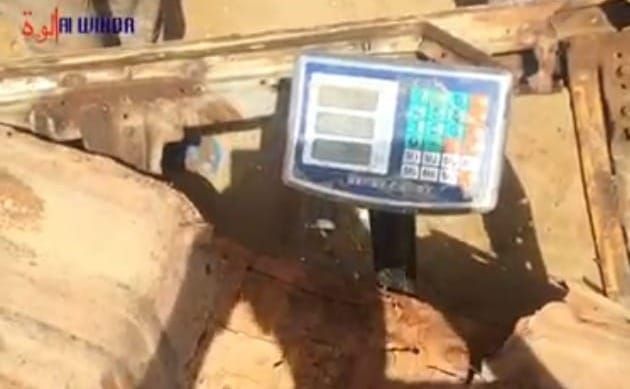
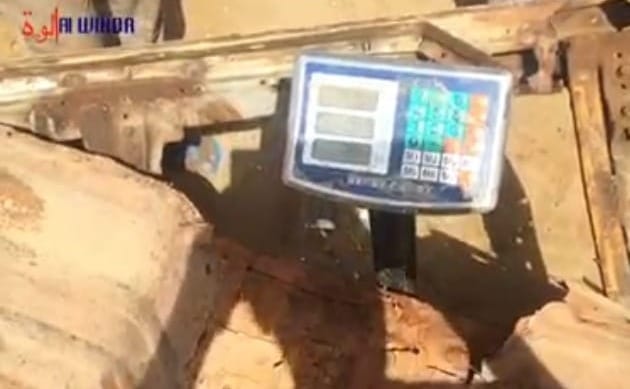
In N’Djamena’s streets, the echo of ‘Hadid kilo! Hadid kilo!’ rings out daily as itinerant merchants haul carts laden with scrap metal. The ‘Hadid kilo’ trade—named for the phrase meaning ‘iron per kilo’—has exploded across the capital, drawing in vulnerable children as unwitting participants.
Locals report that this informal scrap metal business has become highly lucrative, attracting traders—many from neighboring Niger and Nigeria—who operate without proper permits or residency documents. Their goal: quick cash before returning home.
Disturbing cases have surfaced across N’Djamena. In Ngabo, a 10-year-old boy sold his mother’s gas cylinder to a ‘Hadid kilo’ dealer for just 600 FCFA. In Ndjari, an 8-year-old parted with his younger brother’s bicycle for 250 FCFA. And in Zafaye, a child sold part of his father’s car engine for 1,000 FCFA.
Parents are alarmed. Many argue this trade normalizes theft among minors, pushing them to steal household items for quick, meager profits. ‘It’s teaching our children that stealing is acceptable, and that’s dangerous,’ shared one resident.
Residents are demanding immediate action. They’re calling for a ban on scrap purchases from children, stricter monitoring of itinerant traders in neighborhoods and markets, and stronger legal safeguards to protect youth from exploitation.
Observers stress that without swift intervention, the cycle of theft and delinquency will deepen, jeopardizing the future of Chad’s youth and undermining social stability.