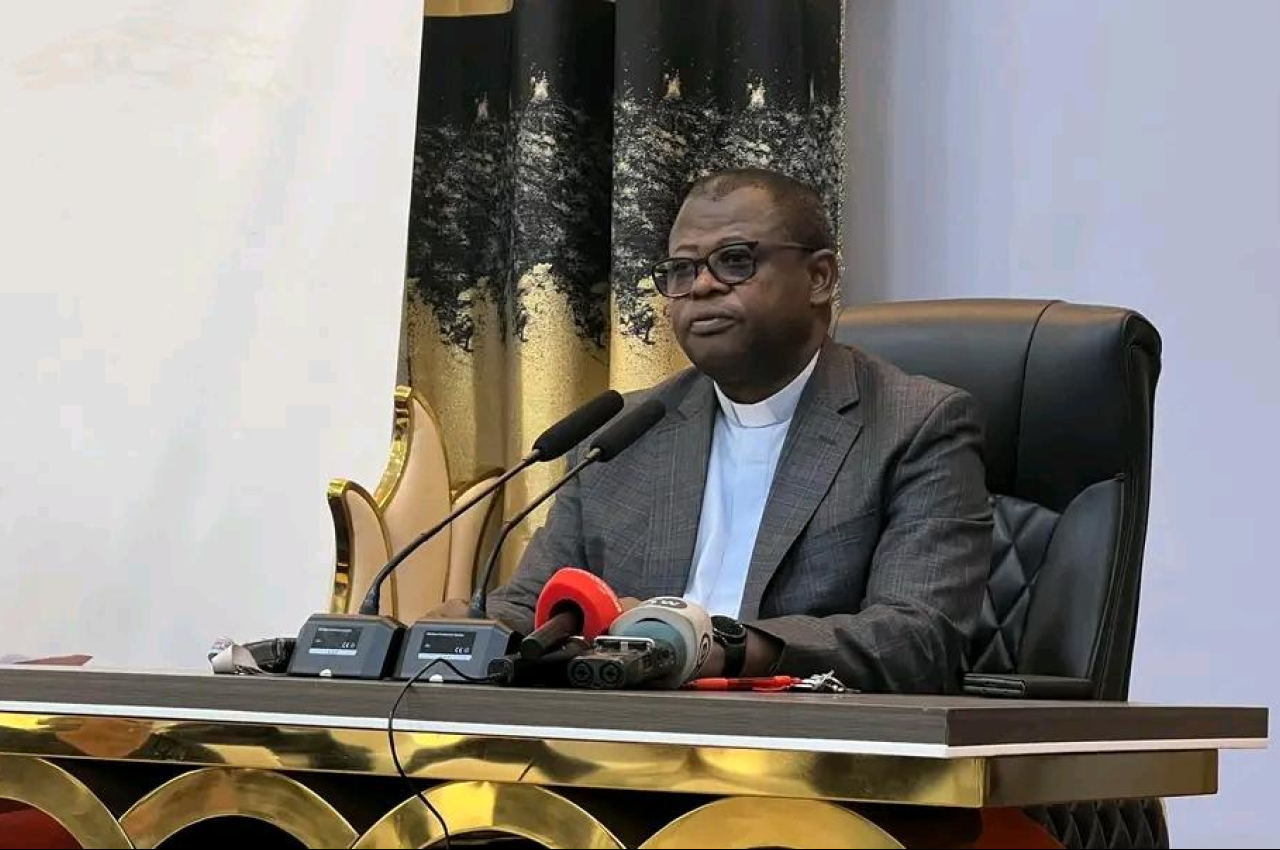
Catholic Church challenges Tshisekedi over constitutional reform plans in RDC
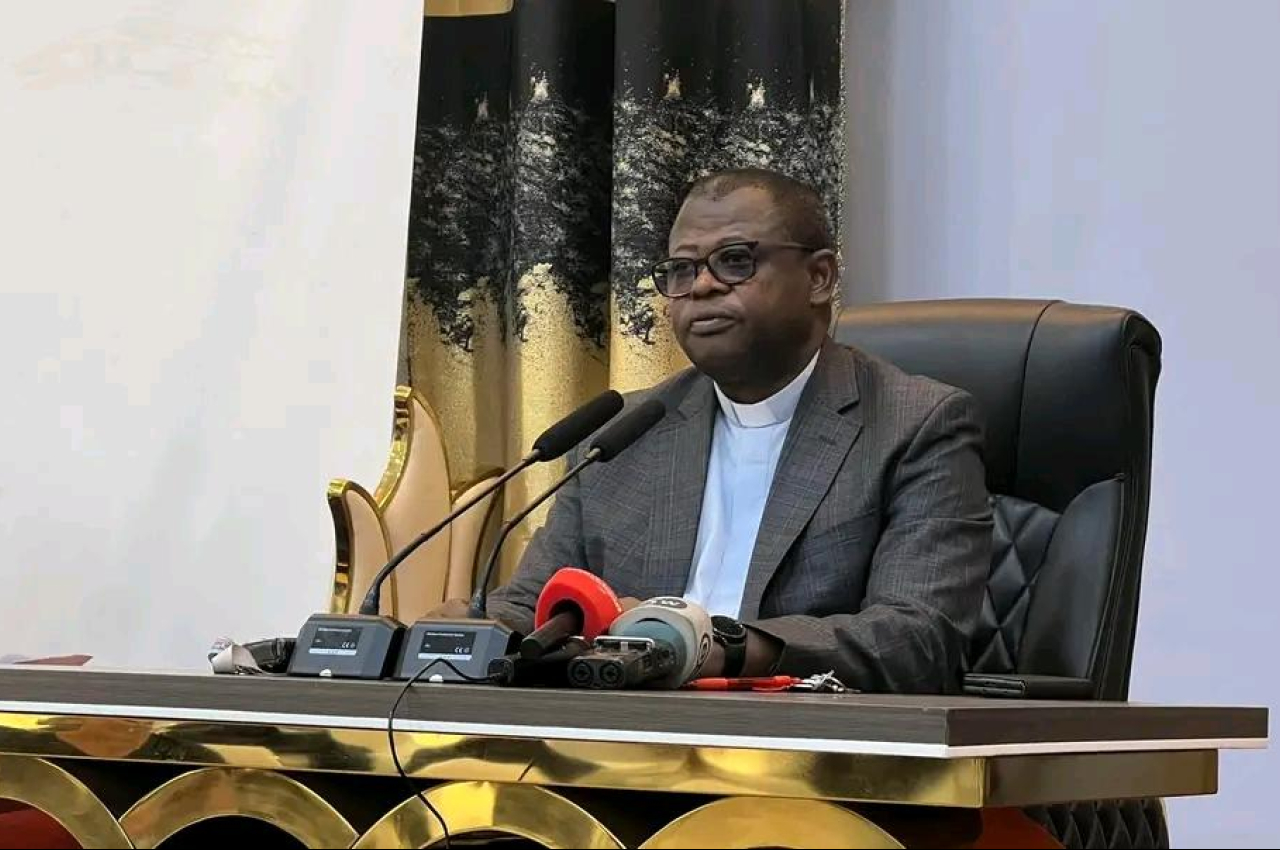
The Article 64 coalition, which is actively resisting the proposed constitutional overhaul in the Democratic Republic of Congo (RDC), has just received significant backing. The National Episcopal Conference of Congo (CENCO) has formally rejected the project, which many believe is designed to allow President Félix Tshisekedi to pursue a third term. Such a move would directly violate the current legal framework that limits presidential mandates to two. Religious leaders have expressed grave concerns, stating that this political agenda places the entire nation in jeopardy.
Ignoring these warnings could be a mistake for the administration
Clerical authorities warn that forcing these changes through carries immense risks, including the potential balkanization of the country. They describe the national situation as critical and have urged the Congolese people to take control of their destiny to prevent their future from being compromised indefinitely. CENCO also reminded Félix Tshisekedi of his solemn oath to respect and defend the Constitution. Whether this appeal will be heard remains uncertain, but the government is unlikely to welcome this intervention from the Church.
This firm stance by the clergy follows the recent parliamentary vote on a referendum law, which effectively greenlights the executive branch to organize a constitutional vote. It appears the authorities are committed to seeing the process through. However, the Church is not backing down, and its position aligns with the opposition’s concerns. While the prelates clarify that they are not a political opposition group, their vocal rejection of the reform provides substantial support to those fighting the modification. The President would be unwise to ignore this growing dissent, as multiple points of friction could seriously destabilize his administration.
The Church is fulfilling its role as a promoter of peace by refusing to stay silent on a project that threatens to divide the population and spark new crises. As integral members of society, the clergy cannot be excluded from finding solutions to the country’s problems. This new pressure leaves Félix Tshisekedi in an embarrassing position. While he previously dealt with an opposition that faced heavy-handed repression, the entry of CENCO as a major civil society actor significantly complicates his plans. The Church has even suggested that ecclesiastical actions may follow in the coming months.
The Congolese people are already facing immense suffering
Tshisekedi may find his path forward increasingly difficult. While he could previously ignore political rivals, the involvement of CENCO changes the dynamic. It is worth noting that the President once benefited from the Church’s influence when he was in the opposition; it was the Catholic Church that helped prevent Joseph Kabila from extending his rule in 2017. Therefore, it would be prudent for the current leader to reconsider his strategy if he wishes to leave a positive mark on history.
With the ongoing conflict in the eastern RDC and health challenges like Ebola, the population is already enduring severe hardships. Adding a constitutional crisis to this list of grievances would only exacerbate the suffering of the Congolese people.