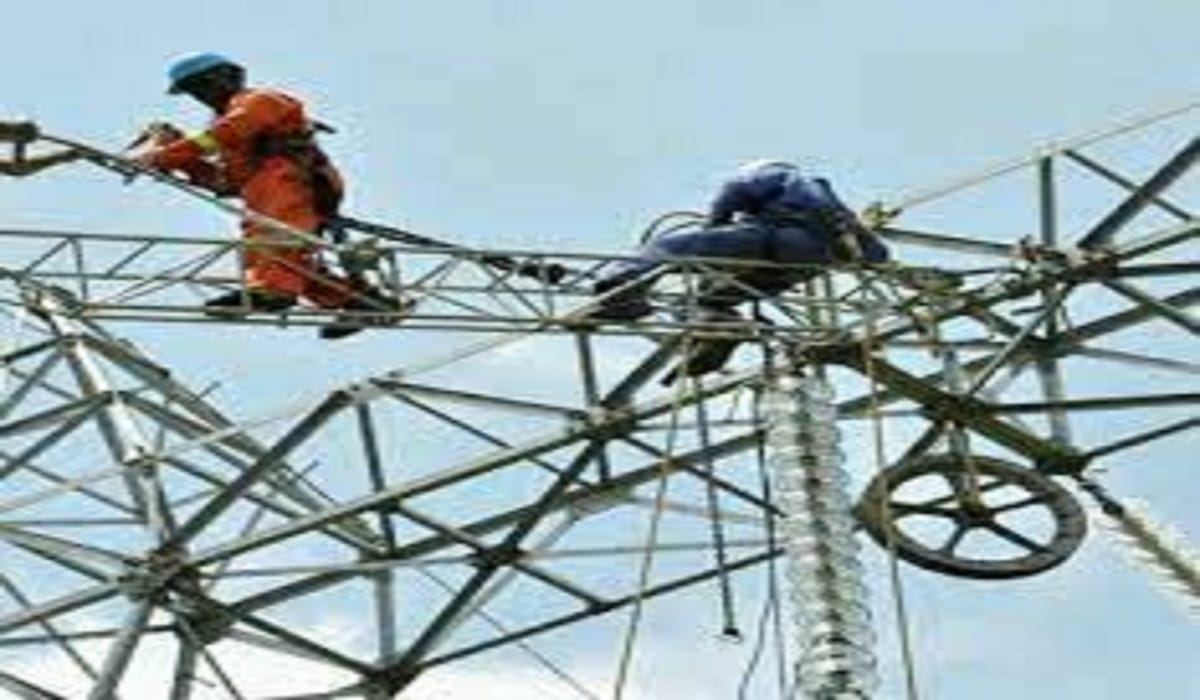
Cameroun embraces public-private partnerships for energy transport
Cameroun to implement public-private partnerships for energy transport
Cameroun’s Minister of Water and Energy has announced a significant shift towards public-private partnerships (PPP) in the crucial energy transport sector. This strategic move, long advocated by economists like the late Christian Penda Ekoka, was revealed during a recent meeting with Filippo Scammacca del Murgo, the Italian Ambassador to Cameroun, and Riccardo Rossi Van Lamsweerde, head of the regional office for Cassa Depositi e Prestiti, Italy’s public financial institution.
The nation’s treasury faces considerable strain, with a deficit that has hindered essential investments. Furthermore, the Ministry of Finance grapples with the burden of unproductive debt repayments, which has reportedly prevented payments to KPDC, resulting in a substantial loss of 300 MW of electricity for the country.
Compounding these challenges, Cameroun experiences a daily loss of 30 MW of electrical energy, which dissipates through its aging and defective transport network. This daily loss alone is equivalent to the entire current production capacity of the Lagdo dam. The introduction of public-private partnerships is expected to attract vital capital injections from investors into these critical energy infrastructure projects.
However, questions arise regarding other sectors. One might wonder why the Ministry of Transport continues to burden citizens with debt for road projects often entrusted to underperforming contractors, when a public-private partnership model could offer a more effective solution. It is noteworthy that the 30 MW production loss has been a known issue since 2014. Despite this longstanding problem, government planning prioritized investing over 100 billion FCFA into the Mekin dam, rather than addressing this ongoing energy hemorrhage.
Public-private partnerships are designed to empower private partners with the complete oversight of projects, from initial conception through to execution and ongoing management. This approach aims to streamline operations by excluding civil servants from direct operational control, offering an ideal solution for Cameroun, a nation that has frequently encountered issues with premature or underutilized projects, often referred to as ‘white elephants’. The Ministry of Transport, which could greatly benefit from this financing model, has notably remained disengaged. Reportedly, civil servants prefer to maintain central control over road projects, many of which, like the Douala-Yaoundé and Yaoundé-Nsimalen highways, have faced perpetual delays.
Be the first to comment on this article



Comments