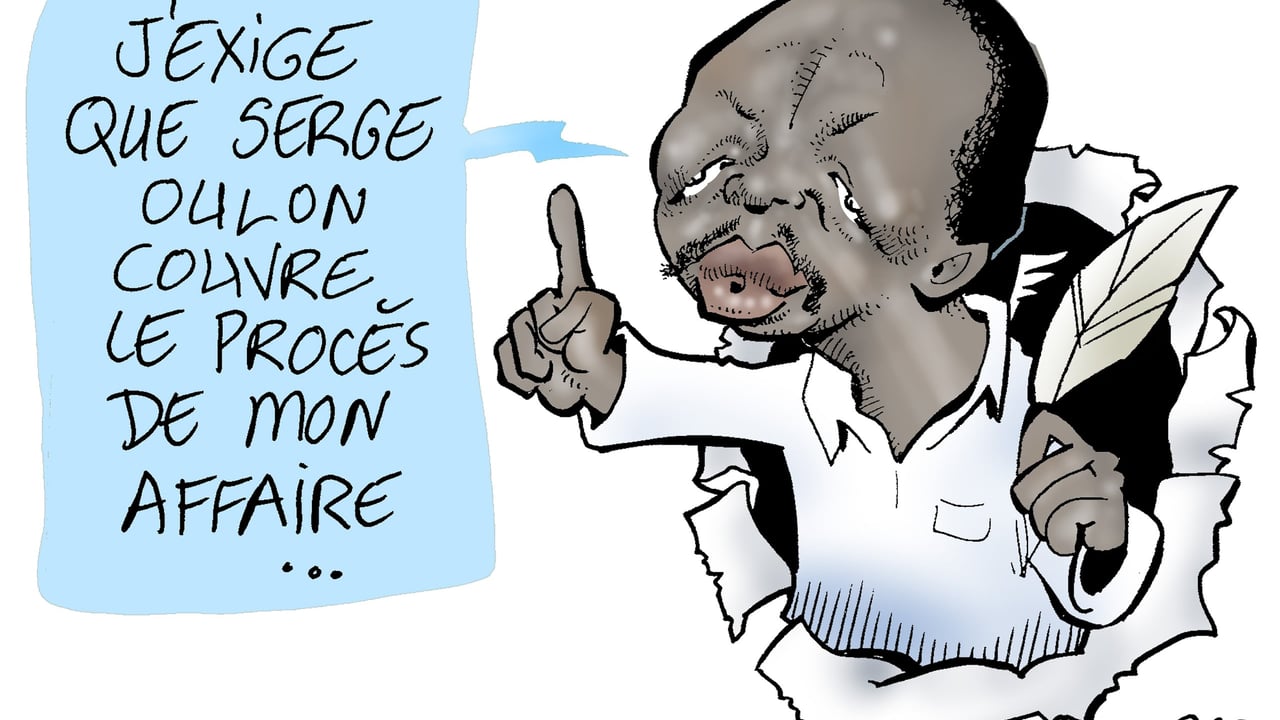
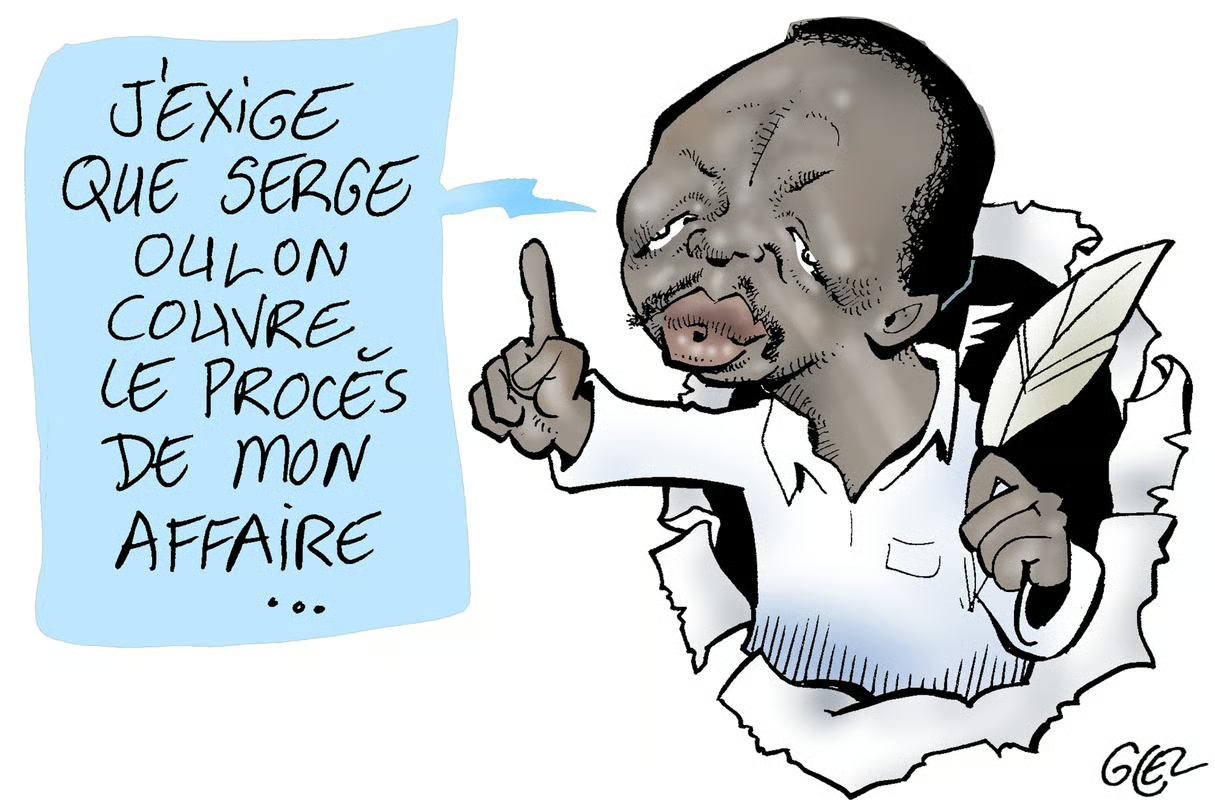
The wheels of justice are turning in Burkina Faso, as the nation takes a decisive step toward holding a long-awaited trial for the 1998 murder of investigative journalist Norbert Zongo. This landmark legal proceeding, long delayed by political and institutional hurdles, now appears within reach, offering a glimmer of hope for the families of victims and advocates of press freedom.
a decades-long fight for accountability
For more than two decades, the case of Norbert Zongo has loomed over Burkina Faso’s judicial landscape. The journalist, known for his relentless scrutiny of power, was killed in a brazen attack that sent shockwaves through the country and beyond. His death became a symbol of the dangers faced by those who dare to challenge authority in the region.
Over the years, the investigation has faced countless obstacles, from stalled inquiries to political interference. Yet, persistent civil society pressure and international condemnation have kept the case alive in the public consciousness. Now, with new momentum in the legal process, the possibility of justice feels tangible for the first time.
what the trial could mean for press freedom
The prosecution of those accused in Zongo’s killing would send a powerful message across West Africa. It would underscore the principle that no individual—regardless of status or influence—is above the law. For journalists and media workers in the Sahel, the trial represents more than a legal reckoning; it is a beacon of hope in an era where press freedom is increasingly under threat.
In recent years, Burkina Faso has witnessed a troubling erosion of democratic norms, with media outlets facing censorship and intimidation. A trial in this case could serve as a turning point, reaffirming the country’s commitment to upholding fundamental rights and the rule of law.
next steps in a critical legal process
While the path to justice has been fraught with delays, the recent developments suggest that the trial is finally moving forward. Legal experts and human rights advocates are cautiously optimistic, though they remain vigilant against any further attempts to derail the proceedings. The families of the victims, along with supporters of press freedom, are watching closely, hopeful that this moment will mark the beginning of true accountability.
As Burkina Faso stands on the cusp of this historic trial, the nation’s commitment to justice will be tested once again. The outcome of this case could shape the future of press freedom not only in Burkina Faso but across the Sahel region.
Damien Glez is a Franco-Burkinabè cartoonist and editorialist whose work often explores themes of governance, justice, and social change in West Africa.