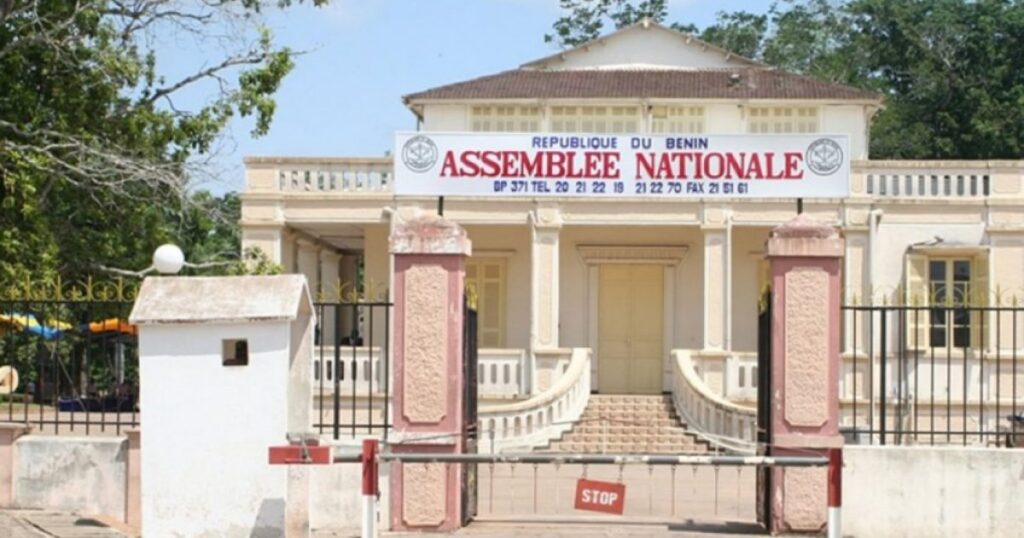
Bénin’s national assembly convenes for vital legislative session
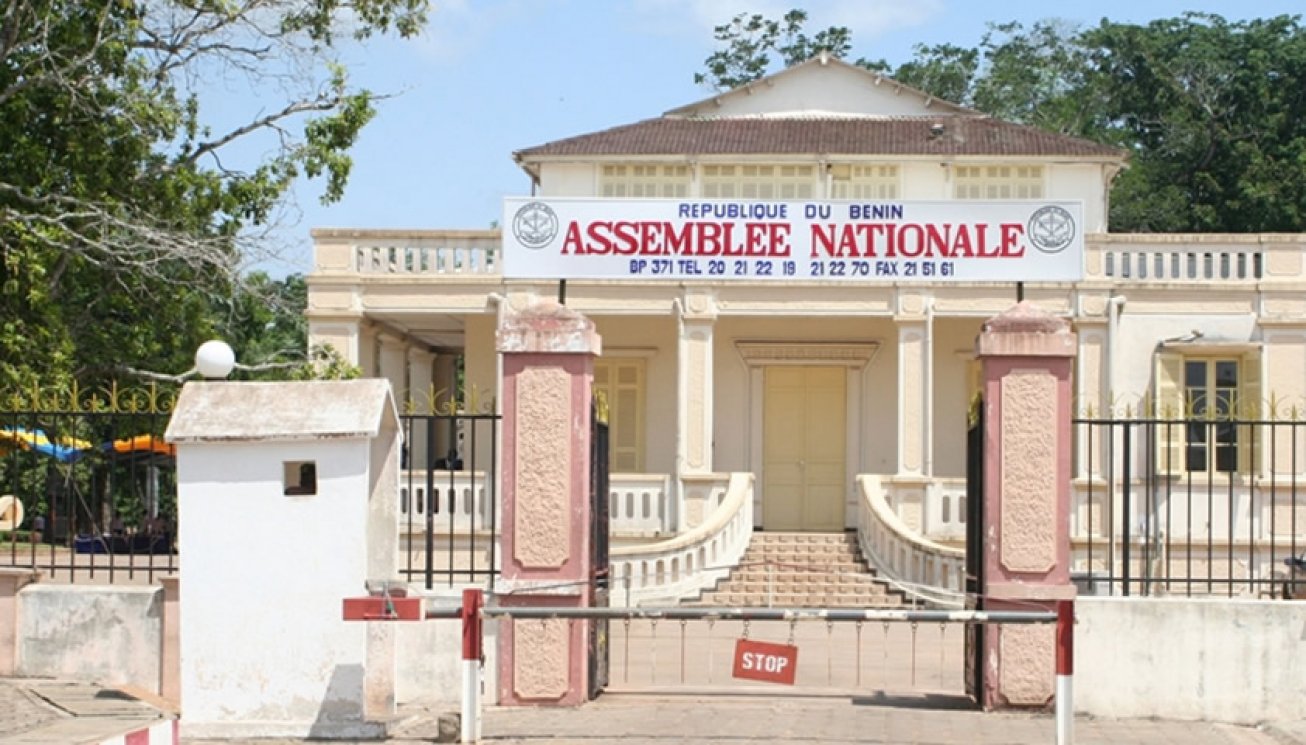
Deputies of Bénin’s 10th legislature are set to gather this Friday at the Palais des Gouverneurs to deliberate on two significant legislative proposals.
SUMMARY
National Assembly President Joseph Djogbénou has summoned his parliamentary colleagues for a plenary session this Friday, June 19, 2026. The agenda features two urgent bills: the draft rectifying budget for the year 2026 and amendments to the law governing the organization and operation of the Mediator of the Republic.
The Conference of Presidents endorsed this expedited schedule to facilitate the swift review and adoption of these texts, deemed high-priority. This urgency stems from the need to rapidly align public policy with the new governmental structure established following President Romuald Wadagni’s inauguration and the strategic directives he has outlined.
The proposed rectifying budget will increase the state’s general budget from 3,783.984 billion FCFA to 4,086.620 billion FCFA, representing an 8 percent expansion.
Implications of the rectifying law
The macroeconomic forecasts derived from the rectifying budget remain consistent, with a projected growth rate sustained at 7.5 percent. Personnel expenditures are set to decrease by 9.8 percent, a rationalization achieved without compromising planned recruitments or spending on goods and services. Concurrently, budgetary revenues are anticipated to climb by 2 percent, while investment outlays will see an 8.5 percent rise.
Beyond financial equilibrium, this draft rectifying finance law signifies a distinct shift towards social priorities. New funding is being allocated to bolster social protection and human capital initiatives, including the installation of water points in schools and health centers, accelerating the first thousand days nutritional supplementation program, strengthening mandatory health insurance, and providing care for children living on the streets or engaged in begging.
The education sector also receives a significant boost with the launch of free secondary school tuition for girls, to be generalized starting from the 2026-2027 academic year, alongside the implementation of a construction program for school canteen storage facilities.
Regarding internal security, the state is increasing its allocations to fortify public safety measures. This effort primarily targets the deployment of a video surveillance solution across major urban areas. The health and infrastructure sectors are not overlooked, with Public Investment Program credits enhanced to support the construction and refurbishment of hospitals and clinics, the operationalization of the International Hospital Center of Calavi, and the execution of vital sanitation and transportation projects.
Finally, amidst a climate of rising prices influenced by geopolitical crises, the government intends to support the productive sector through agricultural input subsidies. This measure aims to enhance productivity and reinforce national food security.
This Friday’s session is therefore poised to be a pivotal moment in Bénin’s parliamentary calendar, both for the financial scope of the supplementary budget and the significant political and social messages it conveys.
You may also like
Can OL Lyonnes still top the group after Chelsea stalemate?
Can Togo’s mediation still deliver peace in eastern DRC after Tshisekedi’s latest letter to Gnassingbé?
Mali: did the JNIM ambush on Africa Corps near Niono expose a fatal gap in Russia’s Sahel strategy?
Will Mali’s 73.6 million dollar funding gap decide the fate of millions by 2027?
Guinea-Bissau’s December 2026 vote: can Embaló return legally, and can the result ever be trusted?