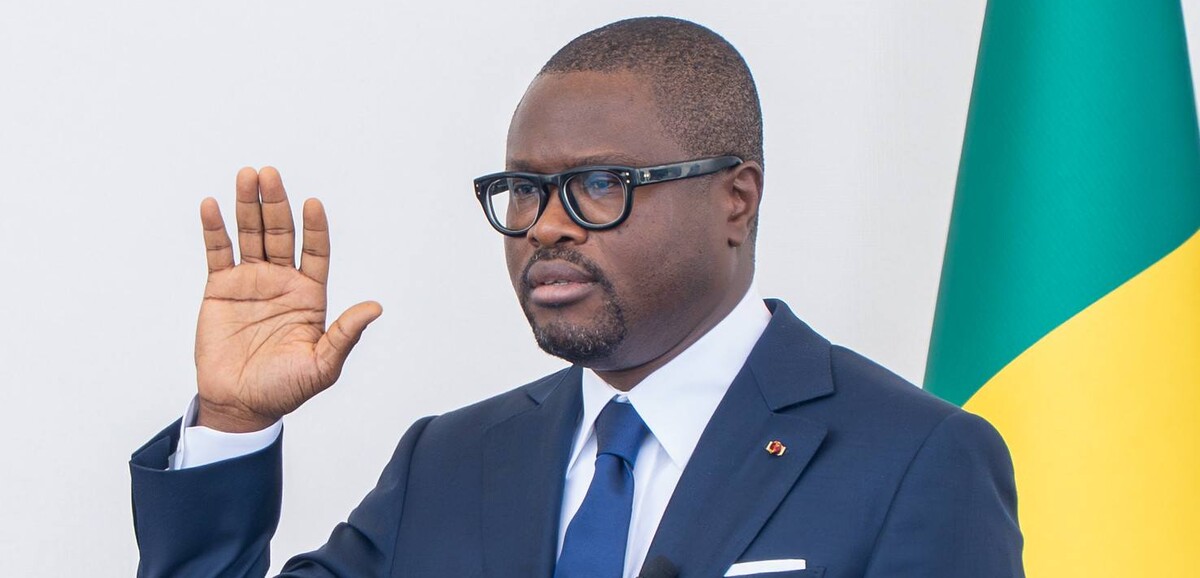
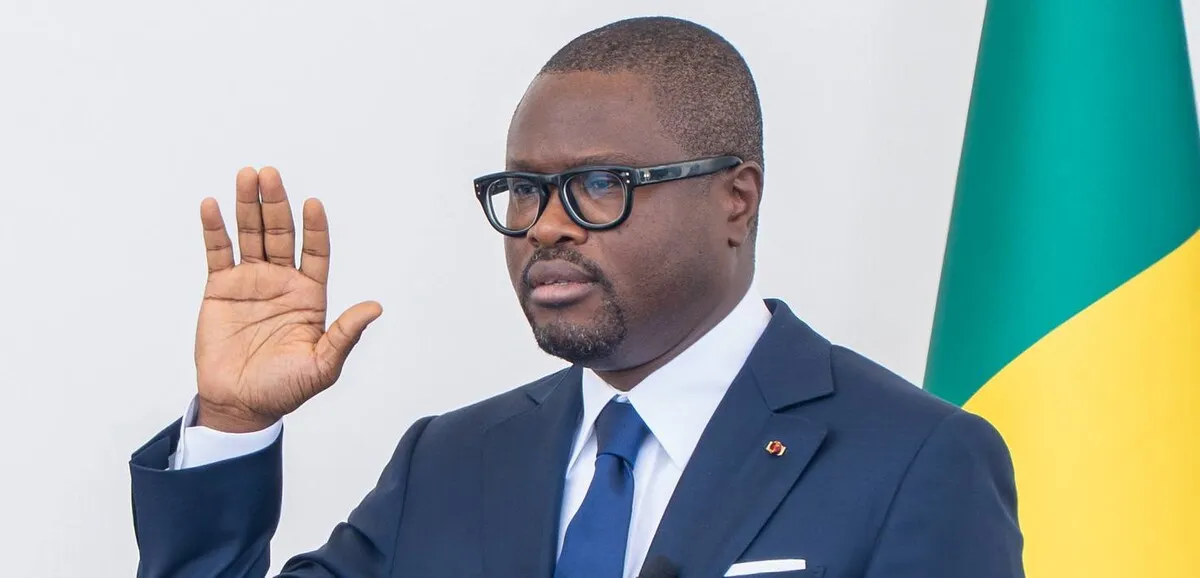
Cotonou witnessed a historic transition of power on Sunday, May 24, as Romuald Wadagni took the oath of office to become the new President of Benin, succeeding Patrice Talon after a decade in leadership.
The investiture ceremony, held at the presidential palace, marked the beginning of Wadagni’s seven-year mandate, which follows his landslide election victory in April with over 94% of the vote.
economic continuity and pressing security challenges
In his inaugural address, President Wadagni paid tribute to his predecessor, Patrice Talon, emphasizing his commitment to sustaining the country’s economic momentum. Having played a key role in shaping Benin’s recent economic reforms, he now faces pressing challenges, including the growing jihadist threat in the northern regions.
The new leader pledged a firm stance against security threats while advocating for stronger regional cooperation to address shared concerns.
diplomatic thaw with neighboring Sahel nations
The transition ceremony also signaled a thaw in diplomatic relations with regional partners. Niger—which had previously maintained strained ties with Benin—sent its Prime Minister, Ali Mahaman Lamine Zeine, who received a warm welcome during the event. Representatives from Burkina Faso and Mali were also in attendance, with their foreign ministers present to mark the occasion.
As the new administration takes shape, Wadagni’s early decisions regarding public freedoms will be closely scrutinized. Several human rights organizations have previously criticized the outgoing government for tightening political and media restrictions in Benin.