- Bénin
- Politique
Benin president wadagni’s historic first visit to Abidjan
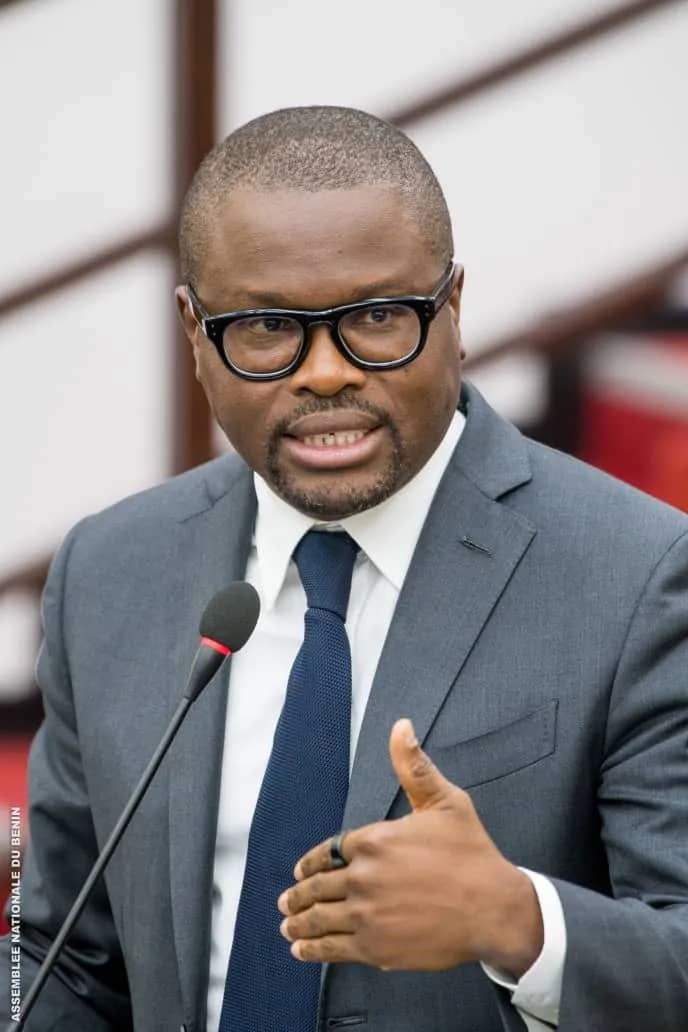
Just days after taking office, Bénin’s new President Romuald Wadagni will make his first official foreign trip to Côte d’Ivoire’s economic hub, Abidjan.
The visit, scheduled for June 4, will see Wadagni meet with his Ivorian counterpart, President Alassane Ouattara, in a move widely seen as a strategic endorsement of the deepening ties between the two West African nations.
A symbol of renewed diplomatic momentum
While no official announcement has yet been released, reports from multiple sources confirm that President Wadagni’s first state visit abroad will be to Abidjan—a decision that underscores the importance of Côte d’Ivoire as a key ally in the region. The choice of Abidjan over other capitals marks a deliberate shift from the diplomatic path taken by his predecessor, Patrice Talon, who visited Lomé first after his 2016 election.
A partnership built on shared challenges
Against the backdrop of escalating security threats across the Sahel, Côte d’Ivoire has emerged as a pivotal player in regional stability. The two countries have increasingly collaborated on counterterrorism efforts, border security, and joint initiatives to combat transnational crime. Observers note that President Ouattara’s extensive experience in navigating complex security and diplomatic landscapes could provide valuable insights for Wadagni as Bénin faces growing security pressures along its northern borders.
Beyond security: a multi-faceted alliance
The relationship between Bénin and Côte d’Ivoire extends far beyond defense cooperation. With robust trade ties, shared infrastructure projects, and deep cultural exchanges, the two nations have cultivated one of West Africa’s most dynamic bilateral partnerships. Both are founding members of the Economic Community of West African States (ECOWAS) and frequently align on regional policy issues, from economic integration to peacekeeping missions.
Strengthening regional stability
As West Africa grapples with geopolitical shifts and persistent security challenges, the timing of Wadagni’s visit could not be more significant. The leaders are expected to use the meeting to reaffirm their commitment to mutual support, regional solidarity, and collective action against terrorism. For both nations, stronger collaboration is not just a diplomatic priority—it is a necessity for safeguarding their shared future.