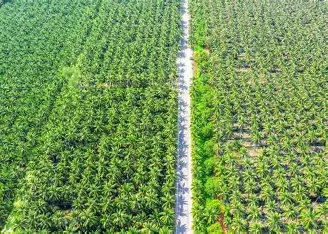
Benin has embarked on a significant phase in its pursuit of food sovereignty. The Islamic Development Bank (IDB) has recently committed a substantial sum of 12.57 billion FCFA, earmarked for the comprehensive modernization of Benin’s agricultural sector. This substantial financial injection is primarily directed towards initiatives aimed at restoring soil fertility, a critical imperative as the nation grapples with the severe repercussions of climate disruption.
Beyond the sheer monetary value, the selection of the Islamic Development Bank as a partner underscores a deliberate geopolitical and financial strategy. By engaging with the IDB, the government in Porto-Novo is actively diversifying its portfolio of financial benefactors. This approach is designed to diminish the country’s historical reliance on traditional Bretton Woods institutions and Western bond markets, which currently present particularly prohibitive interest rates. Islamic finance, characterized by its principles of risk-sharing and asset-backed structures, emerges as an exceptionally well-suited instrument for the long-term financing of crucial infrastructure projects.
From an economic standpoint, this decision is fundamentally pragmatic. Investing in the resilience of agricultural lands is no longer merely an ecological preference but an absolute necessity for safeguarding the national gross domestic product (GDP). By equipping crops to withstand the adverse effects of droughts and floods, the Beninese government proactively mitigates the need for future emergency imports, which would necessitate the expenditure of foreign currency. Ultimately, this strategy represents a direct pathway to preserving the nation’s trade balance and ensuring its economic autonomy.
You may also like
Can Nigeria’s security forces ever shut down the kidnapping economy in the north?
Will Benin’s UCESIF gambit in Bucharest pay off for francophone social dialogue?
Can Benin’s defense strategy survive on diversification alone?
Can the CEMAC capital market finally bankroll Cameroon’s real economy?
Mali: can justice deliver for civilians after Amnesty’s war crimes findings?