How a diplomatic rupture forced Cotonou to reinvent its transit model
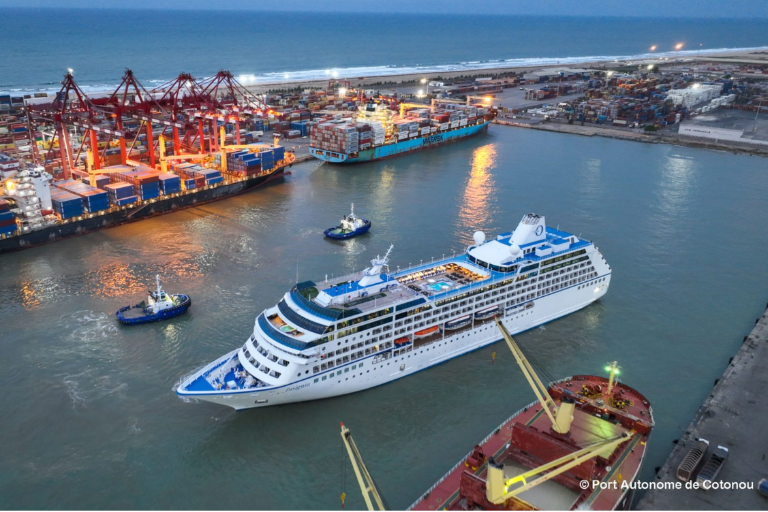
The sudden collapse of the Benin-Niger corridor in mid-2023 didn’t silence the Port of Cotonou—it forced it to evolve. Once the primary gateway for Nigerien transit, the port’s operators quickly pivoted toward new hinterland markets, with Burkina Faso emerging as the unexpected catalyst of this transformation. By 2025, nearly one million tonnes of goods—predominantly hydrocarbons—flowed through Cotonou en route to Ouagadougou, reshaping the port’s long-term strategy.
From Niger’s shadow to Burkina Faso’s strategic partner
For decades, the Port of Cotonou thrived as the main artery for Niger’s trade, thanks to its direct road link to Niamey. But when political tensions severed that corridor, the port faced an existential question: Could it survive without its traditional hinterland? The answer came from an unlikely source. The Burkina Faso corridor, long considered secondary, suddenly became the port’s lifeline.
According to port officials’ 2026 trade briefing, Burkina Faso’s share of Cotonou’s transit traffic jumped to 16% in 2025, accounting for nearly a million tonnes of goods. While this wasn’t a brand-new route, it marked a dramatic acceleration in usage. Burkina Faso had always relied on multiple coastal ports—Abidjan, Lomé, Tema, and Cotonou—but the closure of the Benin-Niger axis made Cotonou the most viable option.
The hydrocarbon factor: why fuel flows drove the shift
The surge in transit volume wasn’t accidental. Burkina Faso, a landlocked nation with soaring energy demands, depends heavily on imported petroleum products. Cotonou’s proximity and efficient fuel storage facilities made it the ideal entry point for shipments bound for Ouagadougou and beyond. This specialization in hydrocarbons explains why the Burkina Faso corridor became so prominent in port statistics—and why Cotonou’s management is now prioritizing it as a regional redistribution hub.
2026’S numbers reveal a port in transition
Halfway through 2026, the Port of Cotonou’s resilience is undeniable. In the first six months alone, it handled 7.79 million tonnes of cargo—a 16.6% increase over the same period in 2025. But the real story lies in the composition of this growth. While import volumes remained nearly flat (up just 0.6%), exports surged by 33.3%, and transshipment skyrocketed by 152.1%. These figures suggest a fundamental shift: Cotonou is no longer just a transit point for Niger but a redistribution platform for West Africa’s landlocked economies.
What’s driving the export boom?
The export surge likely stems from Burkina Faso’s growing demand for refined petroleum and other essential goods. As the port optimizes its operations—including digitalizing truck movement tracking—it’s reducing delays and improving efficiency, making Cotonou a more attractive option for Burkinabè importers. This efficiency gain is critical in a region where political instability and security threats often disrupt supply chains.
The Burkina Faso corridor: a temporary fix or the new normal?
For Burkina Faso, the Cotonou corridor is more than a stopgap—it’s a strategic necessity. With regional tensions complicating trade routes, diversifying access to the sea has become a national priority. Cotonou’s modernized infrastructure and established road network give it an edge, but the port isn’t putting all its eggs in one basket. Even as Burkina Faso’s transit volumes rise, Cotonou continues to handle Nigerien crude oil shipments, proving that old trade ties aren’t easily broken.
In August 2026, a million-barrel shipment of Nigerien crude was exported from Cotonou’s Sèmè-Kpodji terminal, underscoring the port’s dual role. This paradox—where diplomatic friction coexists with economic interdependence—highlights Cotonou’s challenge: balancing its newfound relationship with Burkina Faso while maintaining ties with Niger.
Can this transit surge last?
The million-tonne milestone for Burkina Faso in 2025 marked a turning point, but 2026’s data is still incomplete. What’s clear is that Cotonou is no longer dependent on a single hinterland market. By expanding its role as a redistribution hub, the port is reducing its vulnerability to regional instability. If Burkina Faso’s transit volumes continue to grow, the Cotonou-Ouagadougou corridor could solidify its place as a key trade axis in West Africa.
The question now is whether this shift is temporary or permanent. With Niger’s future in the Sahel still uncertain, Cotonou’s bet on Burkina Faso may well redefine its identity—from a Niger-focused transit port to a diversified gateway for landlocked West African nations.