From Partnership Talks to Economic Reality: Decoding Algeria’s Cotonou Strategy
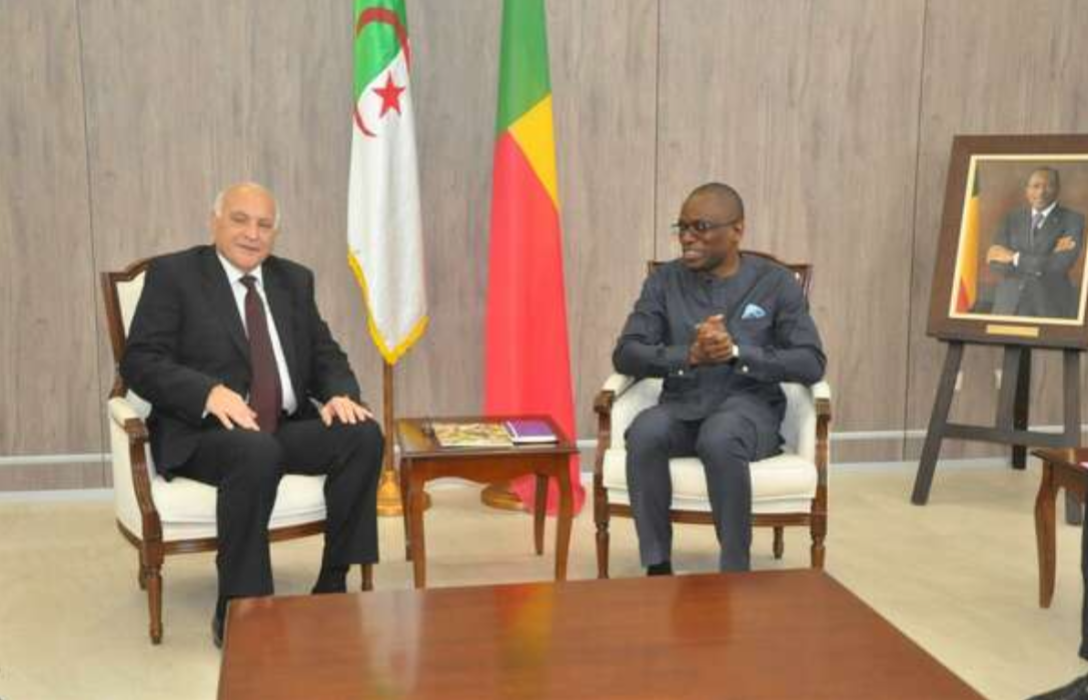
Behind the polished conference halls of Cotonou’s Benin Deal Room 2026 lay a high-stakes experiment in African economic cooperation. A high-powered Algerian delegation, including leaders from pharmaceuticals, energy, and state-owned enterprises, descended on the city not just to network—but to gauge the true resilience of South-South collaboration when regional borders remain stubbornly shut. The paradox was impossible to ignore: while Algeria pushes for deeper West African integration, a critical land route to Niger—its key security and energy partner—has been sealed for over two years, exposing the fragility of continental ambition.
Cotonou as a Regional Gateway: Whose Capital Fills the Gap?
The Benin Deal Room wasn’t merely a forum. With over $2 billion in financing opportunities spanning agro-industry, manufacturing, logistics, and renewable energy, it was a litmus test for which African capitals are stepping up to fund the continent’s next growth chapter. And this time, the spotlight wasn’t solely on European or Asian investors. Algerian state enterprises—Saidal and SAIEG—joined a roster of domestic and regional players, signaling a strategic pivot: turning diplomatic goodwill into industrial footprint.
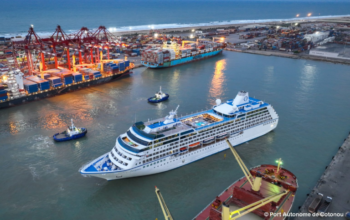
For Algeria, the calculus is clear. With its pharmaceuticals and energy sectors already export-ready, the challenge is no longer about selling goods—but about embedding production, training, and technology transfer deep into West African value chains. Cotonou’s port and industrial zones offer a direct entry point, but only if supply lines remain uninterrupted—a condition that’s currently in question.
Energy, Medicine, and Logistics: Algeria’s Bet on High-Impact Sectors
Three sectors emerged as flashpoints for Algerian-West African collaboration:
- Pharmaceuticals: Algeria’s state-backed drugmakers, with decades of import-substitution experience, are positioning themselves to supply West African markets with affordable medicines. The goal isn’t just export—it’s establishing local production hubs and knowledge-sharing frameworks to meet regional health demands.
- Energy Infrastructure: Sonelgaz’s expertise in grid expansion and renewable microgrids addresses a yawning energy deficit across the Sahel. Initiatives like solar-powered mini-grids in Mali and Burkina Faso could soon extend into Niger and Benin, contingent on stable cross-border access.
- Logistics and Transport: Algeria’s planned trans-Saharan gas pipeline and renewed focus on the Algiers-Lagos corridor could redefine intra-African trade—if border restrictions don’t throttle momentum before projects break ground.
Yet each of these sectors depends on one variable: the unobstructed flow of goods and people. And that’s where the cracks begin to show.
Niger’s Closed Border: The Silent Crisis Disrupting Regional Plans
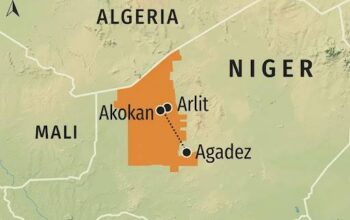
While Algeria and Niger deepen cooperation in energy, security, and infrastructure—most visibly with the Kafra oil block development and plans for a trans-Saharan gas pipeline—the 1,500-kilometer border with Benin remains sealed. Since the 2023 coup in Niamey, Cotonou-bound freight now snakes through Ghana and Togo, adding weeks to transit times and inflating costs by up to 40%. For landlocked Niger, this means delayed fuel deliveries, stalled agro-exports, and lost trade with Benin’s port—its traditional maritime outlet.
Politically, the closure reflects lingering tensions over the coup and its aftermath. Economically, it exposes a paradox: how can regional blocs like ECOWAS champion free movement when member states can’t even agree on reopening a single border? Algeria, which relies on both Benin and Niger for different pieces of its African strategy, finds itself navigating this split reality.
The Domino Effect: When One Blocked Border Ripples Across the Sahel
The Niger-Benin stalemate isn’t just a bilateral issue—it’s a regional fault line. Supply chains for Mali and Burkina Faso, already stressed by insecurity, now face added delays. Algerian logistics firms eyeing West African markets must reroute shipments through costlier corridors, eroding competitiveness. And for Benin, a nation banking on re-export and industrialization, the loss of transit revenue weakens its appeal as a logistics hub.
For Algeria, this underscores a hard truth: its ambition to become a continental industrial player can’t be decoupled from regional infrastructure realities. The trans-Saharan highway and gas pipeline won’t reach their potential if goods can’t move freely between North and West Africa—and between West African nations themselves.
Can Algeria Lead a New Era of Functional African Cooperatives?
The Benin Deal Room sent a signal: African nations are looking inward for capital and solutions. Algeria’s presence was less about signing MOUs in boardrooms and more about testing whether cooperation can survive real-world obstacles. The message resonated with policymakers and investors alike—because the real test isn’t in Cotonou’s conference halls. It’s on the roads, at the border crossings, and in the energy grids that connect the continent.
Algeria’s next move may be less about another deal room appearance and more about advocating for transit corridors, mediating border disputes, and investing in shared infrastructure. In other words, moving from symbolic partnerships to functional ones—where borders facilitate, not obstruct, economic integration.
What’s at Stake: A Continent’s Future Hinges on Its Ability to Connect Itself
The Africa that Algeria envisions isn’t built on declarations or photo ops. It’s built on functioning ports, reliable electricity, and trucks that cross borders without delays. It’s built on pharmaceutical factories in Dakar and solar grids in Niamey, all connected by roads and pipelines that respect no political fault lines.
If Cotonou 2026 proved anything, it’s that Algeria—and by extension, North Africa—is ready to bet on that future. But whether that bet pays off depends on one thing: whether Africa can finally open the doors it has been closing for too long.