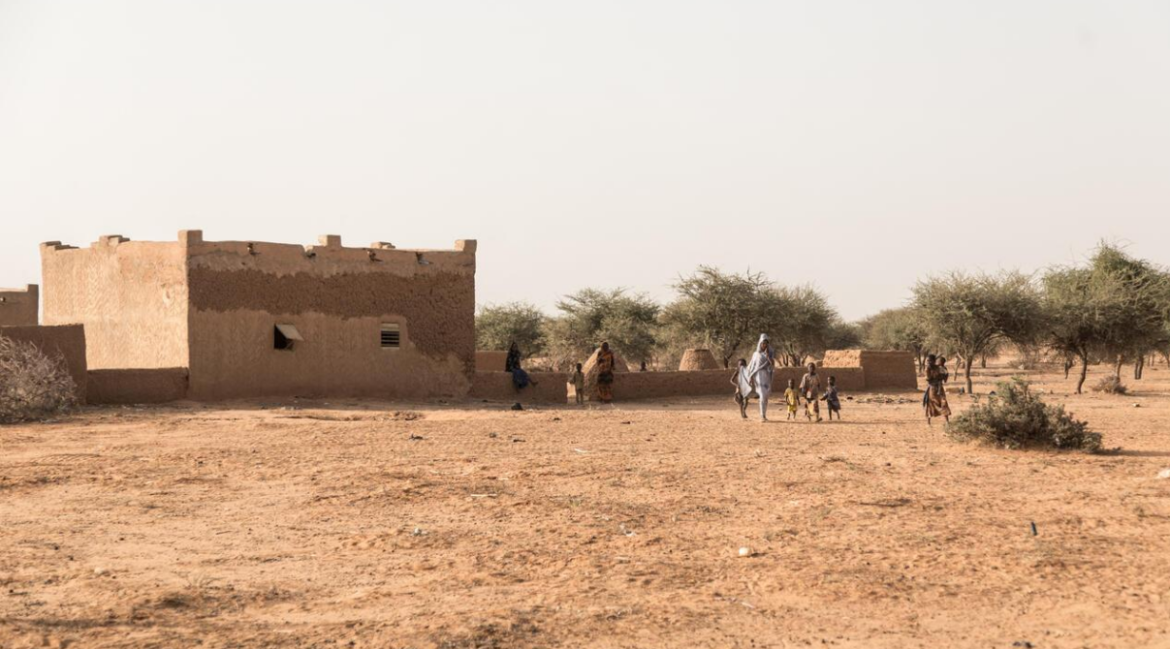
The tragic discovery of 54 bodies in Tagadayat, a village 35 kilometers southeast of Ménaka, is more than a humanitarian disaster—it’s a stark revelation of systemic security gaps in Mali’s northern territories. As the latest in a series of attacks attributed to jihadist factions, this massacre exposes the fragility of the Malian state’s ability to protect its most vulnerable communities.
What the tagadayat massacre reveals about state security in Mali’s north
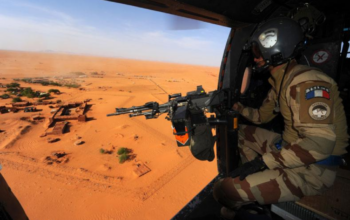
The sheer scale of the tragedy—54 civilians killed in a single attack—has forced a reckoning: Mali’s security strategy in the Sahel is not only failing, it’s creating a dangerous environment where armed groups operate with impunity. While military operations continue to dominate headlines, the massacre underscores a critical truth: presence on the battlefield doesn’t always translate to protection for civilians.
In regions like Ménaka, where jihadist factions have steadily eroded state control, isolated villages have become prime targets. The lack of consistent security, coupled with weak early-warning systems, leaves rural populations exposed. The massacre at Tagadayat isn’t an isolated incident—it’s a symptom of a broken security architecture that prioritizes reaction over prevention.
The hidden costs of weak early warning systems
Local leaders and civil society groups have long warned that Mali’s security forces struggle to detect threats before attacks occur. In many cases, communities receive little to no advance notice of impending violence, leaving them with no time to flee or seek shelter. The discovery of 54 bodies in Tagadayat suggests that intelligence-sharing mechanisms between military units, local authorities, and residents are either ineffective or nonexistent.
Without reliable intelligence, armed groups can exploit the information vacuum, targeting villages when they are least prepared. This pattern has become a recurring nightmare for civilians, forcing mass displacements and deepening humanitarian crises across the region.
Why military operations alone cannot secure Mali’s vulnerable communities
While military offensives may degrade the operational capacity of armed groups temporarily, they rarely address the root causes of insecurity in the Sahel. The massacre at Tagadayat highlights a troubling reality: aggressive tactics do not equate to civilian protection. In fact, they may inadvertently fuel further violence as armed factions retaliate or regroup in new areas.
Moreover, Mali’s limited resources mean that many regions receive only sporadic military presence. The north’s vast and remote landscape makes consistent surveillance nearly impossible with current capabilities. Without long-term security solutions, civilians remain trapped in a cycle of fear and displacement.
The failure of decentralized security in rural Mali
Another critical issue is the disconnect between Bamako’s policies and on-the-ground realities in northern villages. While the central government often announces sweeping security measures, rural communities like Tagadayat rarely benefit from their implementation. Distrust between local populations and security forces has deepened, making communities hesitant to share critical information that could prevent future attacks.
The absence of trusted local security structures—such as community watch groups or rapid-response units—further compounds the problem. Without these mechanisms, Mali’s rural areas remain sitting ducks for armed assailants, leaving families with little recourse but to abandon their homes.
The long-term consequences of state abandonment in the Sahel
The massacre at Tagadayat isn’t just a tragic statistic—it signals a dangerous erosion of state authority. When a government fails to protect its citizens in remote regions, it cedes control to non-state actors, deepening instability. The humanitarian fallout is already visible: school closures, abandoned farmlands, and a growing exodus of civilians seeking safety in urban centers.
The crisis extends beyond security. Without protection, communities cannot farm, trade, or send their children to school. Economic activity stalls, social cohesion weakens, and the social fabric of the north begins to unravel. If Mali is to reverse this trend, it must shift from reactive security measures to proactive, community-based protection strategies.
What needs to change now: lessons from Tagadayat
- Immediate reinforcement of early-warning systems: Local authorities must work with residents to establish networks that alert villages of imminent threats. This includes leveraging mobile technology, community patrols, and trusted intermediaries.
- Enhanced support for isolated communities: Mali must invest in infrastructure—roads, communication networks, and medical facilities—to ensure aid and protection reach remote villages like Tagadayat.
- Greater accountability for security failures: Investigations into the massacre must be thorough and transparent. Only by addressing systemic breakdowns can Mali restore public trust in its institutions.
- Integration of civilian protection into military strategy: Security operations must prioritize the prevention of civilian casualties, not just the elimination of armed groups. This requires training, tactics, and leadership that put people first.
The road ahead: rebuilding trust in Mali’s fragile north
The 54 lives lost in Tagadayat demand more than grief—they demand action. For Mali to reclaim control of its northern regions, it must adopt a holistic approach that blends military operations with community engagement, economic revitalization, and good governance. The state’s legitimacy hinges on its ability to protect its people, not just its borders.
The massacre at Tagadayat is a tragedy, but it could mark a turning point—if the response is swift, comprehensive, and centered on the needs of civilians. The clock is ticking. Every day of inaction risks another village becoming the next Tagadayat.