Angola and Democratic Republic of the Congo formalize rail concession agreement for Dilolo-Sakania route
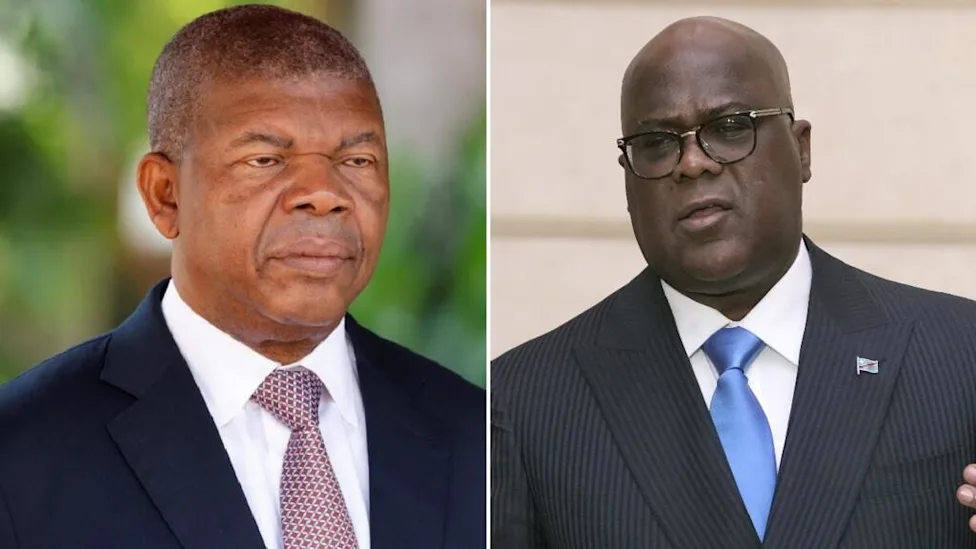
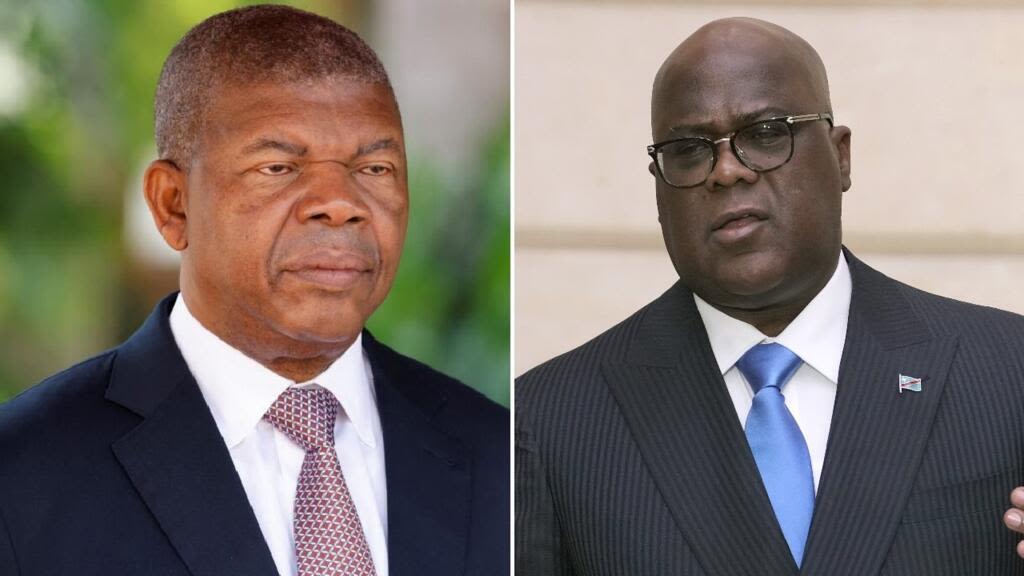
A landmark rail concession agreement has been signed between Angola and the Democratic Republic of the Congo, covering the 30-year rehabilitation, modernization, and expansion of the Dilolo-Sakania railway line.
The two nations will retain joint control over key aspects of the project. While the DRC government will maintain full ownership of the infrastructure, both countries will hold at least 10% equity in the operating company. Upon expiry of the concession period, all assets will revert to Congolese state ownership.
Under the terms of the deal, the concessionaire assumes full financial responsibility for both project costs and operational risks. Notably, no sovereign guarantees or state subsidies will be provided by the DRC government. This arrangement underscores the private sector’s pivotal role in driving infrastructure development.
President Félix Tshisekedi emphasized the transformative potential of this initiative, highlighting expected benefits such as job creation, youth training programs, preferential procurement from local enterprises, and technology transfer initiatives.
The revitalized railway corridor is designed to handle a diverse range of cargo, including minerals, agricultural products, industrial inputs, hydrocarbons, containers, consumer goods, and passenger traffic.
Beyond rail operations, both nations are committed to aligning their railway policies. This includes harmonizing operational procedures, tariff structures, and customs clearance protocols to streamline cross-border trade.
The estimated $1.2 billion project encompasses complementary infrastructure upgrades, including transboundary road networks, logistics hubs, and energy facilities. Additional collaboration is planned in the hydrocarbons sector, with a focus on accelerating regional electricity interconnectivity to power the Katanga region.