Mali and Niger have reignited accusations that Algeria serves as a breeding ground for terrorism across the Sahel, claiming Algiers shelters and indirectly sustains armed groups responsible for attacks beyond its southern borders.
At a regional security forum in Senegal, officials from Bamako and Niamey refrained from directly naming Algeria in their remarks. However, their statements mirrored persistent claims from Mali that the country has evolved into a strategic rear base for terrorist factions and separatist movements operating in northern Mali.
Aboulaye Diop, Mali’s Foreign Minister, emphasized the gravity of the issue during his address to the Reuters news agency: “Several neighboring states are currently providing refuge to terrorist organizations, facilitating their activities, or frequently hosting hostile factions that launch offensives against our nation.”
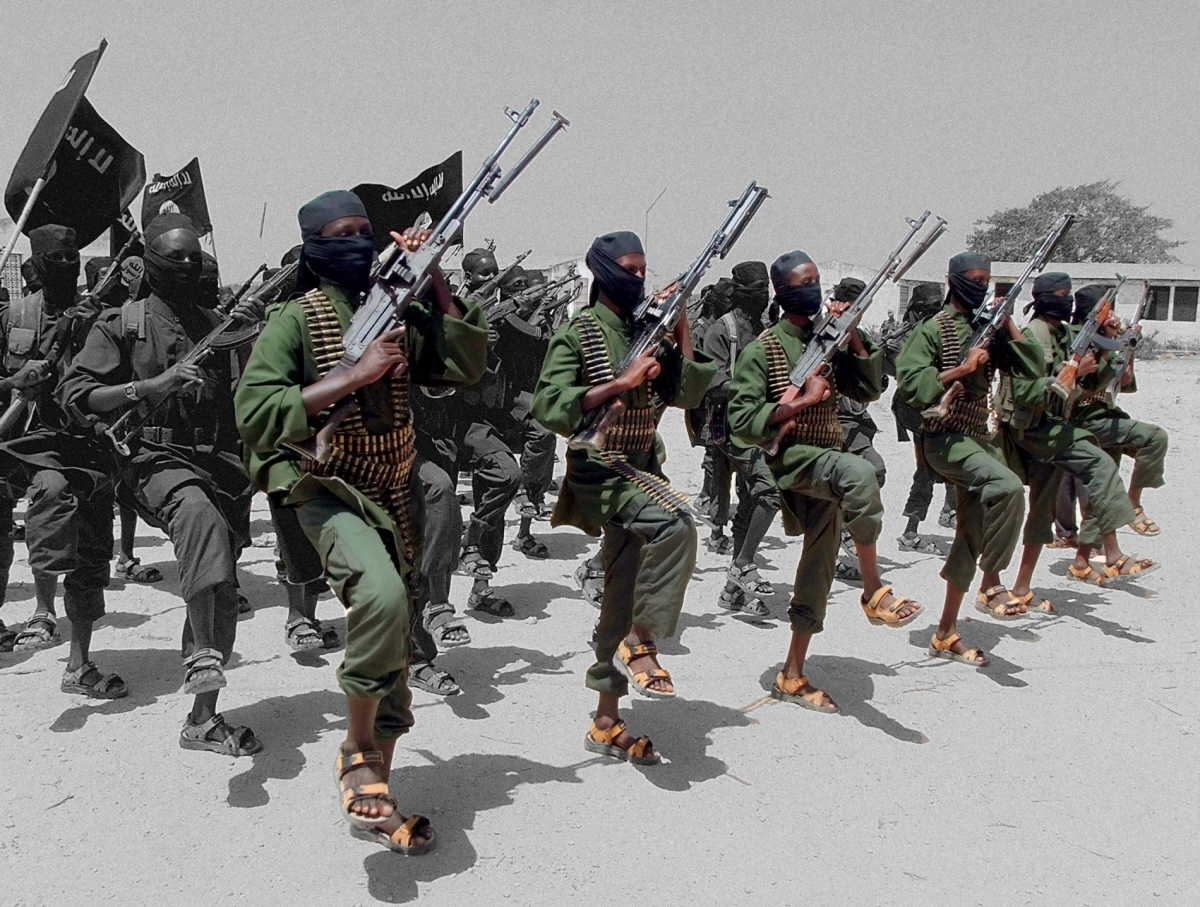
Security experts trace the origins of today’s Sahel insurgency back to the aftermath of Algeria’s civil conflict in the 1990s. They assert that militant factions, whether defeated or displaced during the turmoil, relocated southward rather than dissolving. Organizations like al-Qaeda in the Islamic Maghreb (AQIM) emerged from Algeria’s Salafist Group for Preaching and Combat (GSPC), itself a descendant of the Armed Islamic Group that waged war against Algiers during the “Black Decade.” For years, these groups were led by Algerian operatives who relocated their operations to Mali and the broader Sahara under sustained military pressure in their home country.
Rumors of covert collaboration between Algerian security forces and certain Sahel militant factions have been widely reported.
Mali has consistently condemned Algeria’s alleged support for terrorism at the United Nations, reiterating these claims in official statements and diplomatic correspondence, particularly following a significant deterioration in bilateral relations last year.
The root of the tension lies in northern Mali, where armed extremist groups and Tuareg-led separatists have challenged the Malian government for over a decade. Bamako contends that these factions exploit porous borders and Algeria’s lenient stance toward militants operating along its southern frontier.
In September of the previous year, Mali’s Prime Minister, Abdoulaye Maïga, accused Algeria of shifting from a counterterrorism ally to what he termed an “exporter of terrorism” to the Sahel during his address to the United Nations General Assembly.
The allegations gained momentum after Algerian forces intercepted a Malian military drone near the shared border in late March. Bamako condemned the incident as a deliberate act designed to shield terrorist leaders targeted by Malian military operations.
In retaliation, Mali—joined by Niger and Burkina Faso—reciprocated by recalling their ambassadors from Algiers and issued a joint statement accusing Algeria of actively supporting terrorism.
Niger has consistently aligned itself with Mali in disputes involving Algeria. The country’s leadership endorsed Bamako’s diplomatic retaliation following the drone incident and reaffirmed solidarity against what Niamey perceives as Algerian-backed terrorism.
General Abdourahamane Tiani, Niger’s military leader, has previously accused multiple foreign governments of backing attacks against his nation. Niamey has consistently supported Mali in its standoff with Algeria, which is increasingly viewed by the Sahel as a destabilizing force.
For now, the ongoing dispute over Algeria’s alleged role in fueling terrorism underscores a growing divide in West African security dynamics. The region’s military administrations argue that combating extremism remains impossible as long as neighboring states continue to engage in what they describe as permissive or destabilizing conduct.