Algeria and Mali reopen airspaces and revive diplomatic channels
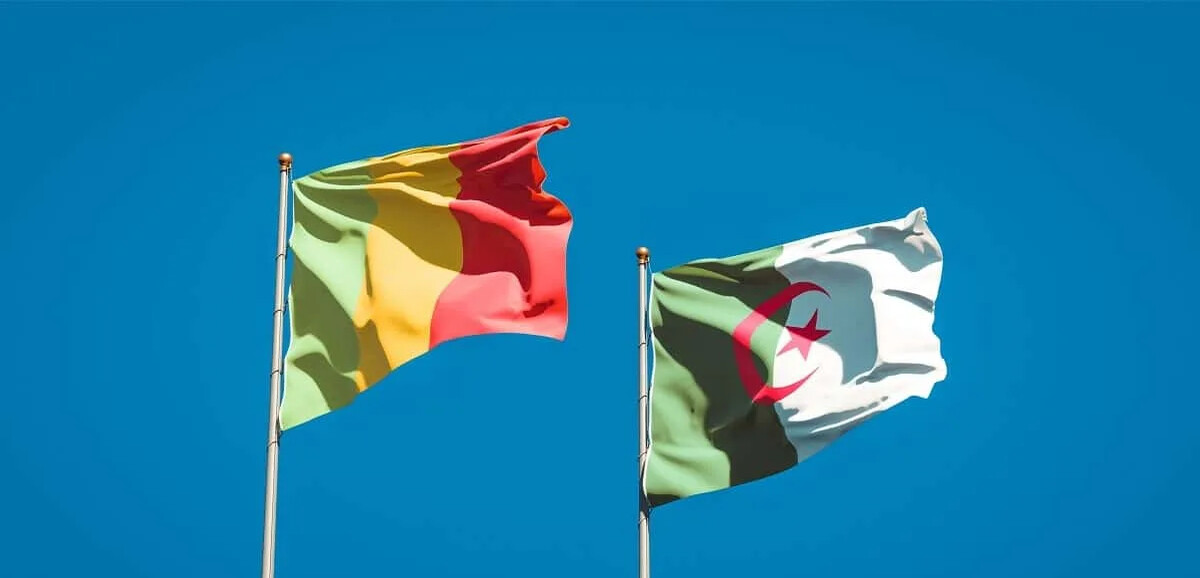
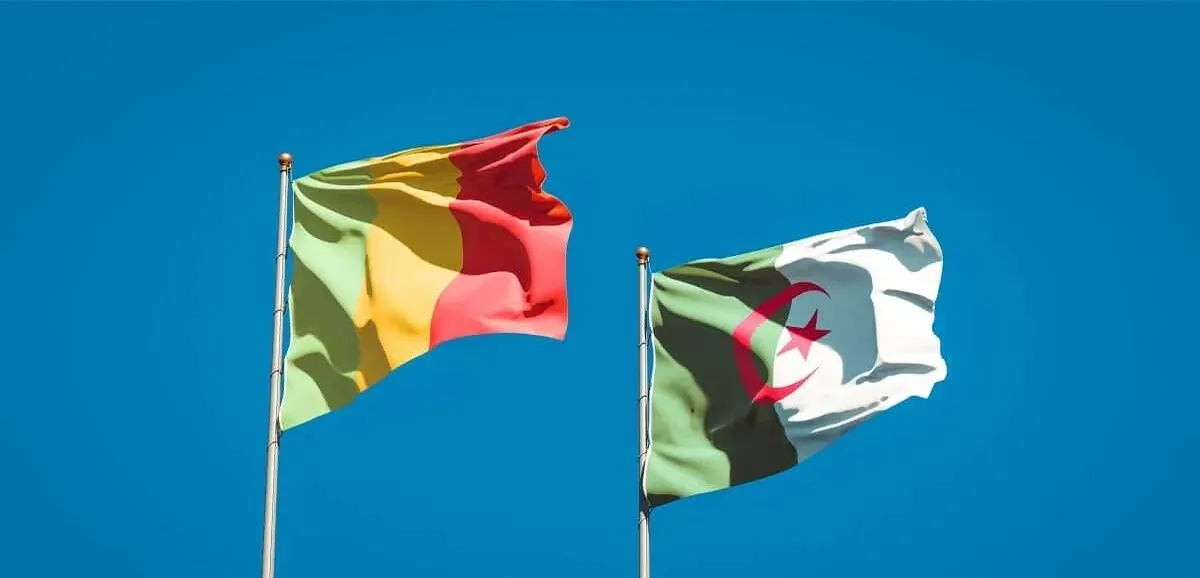
After fifteen months of strained relations, Algeria and Mali have taken a decisive step toward reconciliation. Both nations announced the mutual reopening of their airspaces to civilian and military flights, alongside the reinstatement of their respective ambassadors.
This landmark decision, announced simultaneously by Algiers and Bamako, signals a thaw in a diplomatic standoff that has persisted since early 2025. The move follows months of heightened tensions, including the recall of ambassadors and the suspension of cross-border air travel.
A breakthrough after months of diplomatic rift
Alger and Bamako have jointly declared the reopening of their airspaces, allowing unrestricted air travel between the two nations. Mali confirmed the return of its ambassador to Algeria, who was recalled in April 2025, while Algeria announced the reinstatement of its envoy to Bamako. These coordinated actions effectively end a prolonged period of severed diplomatic ties.
Tensions ignited by a military drone incident
Relations between Algeria and Mali deteriorated sharply in April 2025 following the destruction of a Malian military drone near their shared border. Algiers maintained that the aircraft had entered Algerian airspace, a claim dismissed by Bamako, which insisted the drone operated within Mali’s sovereign territory. The incident triggered a chain reaction: ambassadors were recalled, airspaces were closed, and mutual accusations flared, particularly regarding Algeria’s alleged support for international terrorism.
Shared challenges amid lingering disagreements
Beyond the drone dispute, Algeria and Mali have grappled with deep-seated differences since the Malian junta’s rise to power between 2020 and 2021. Bamako has repeatedly accused Algiers of interference, citing Algeria’s historic role in the 2015 peace accord between Mali’s government and northern armed groups. Tensions further escalated after Mali endorsed Morocco’s autonomy plan for Western Sahara—a stance diametrically opposed to Algeria’s position. Despite these frictions, the two countries share a lengthy border and face overlapping security threats, notably the persistent threat of jihadist groups across the Sahel region.