The World Bank Group has just approved a massive $200 million package for Togo, aimed at modernising transport infrastructure and reviving a decrepit railway network. Official statements hail this as a masterstroke, painting a picture of Togo transformed into an ‘indispensable logistics hub’ for the Sahel. But beneath the technocratic veneer and customary handshakes, a pressing question emerges: how can a serious financial institution entrust such a strategic portfolio to a regime whose economic governance is marked primarily by opacity?
By handing out hundreds of millions to a state that struggles to demonstrate fiscal discipline, the World Bank risks financing yet another logistical illusion.
The railway mirage and the reality of mismanagement
At the heart of the project lies an ambitious promise: to rehabilitate the railway line connecting the Port of Lomé to the Adétikopé Industrial Platform (PIA). On paper, shifting freight from road to rail to decongest the capital is appealing. In Togo’s reality, the rail sector is a graveyard of abandoned infrastructure, plagued for decades by chronic underinvestment and short-sighted political choices.
Entrusting the management of such complex works to Togo’s bureaucratic apparatus is a blind gamble. The country is regularly criticised for the sluggishness of its structural reforms and the inefficiency of its public investments. Handing over $200 million for rails without first ensuring that the administration has the skills, transparency, and rigour to manage them is putting the cart before the horse. At best, it is amateurism; at worst, a reward for poor governance.
Logistics hub or financial sieve?
Togo likes to see itself as the gateway to the Sahelian hinterland. But the reality of the Lomé-Ouagadougou-Niamey corridor is quite different: administrative bottlenecks, customs hassles, and above all, a level of systemic corruption that discourages businesses. The Port of Lomé, despite its technical performance, remains at the centre of corruption scandals and preferential treatment, reminding us how porous the financial circuits are.
Injecting fresh money into infrastructure without cleaning up the business environment will solve nothing. As long as nepotism and the lack of political alternation freeze institutions, donor millions will primarily feed the regime’s patronage networks before benefiting the real economy. By refusing to condition its subsidies on an uncompromising fight against embezzlement of public funds, the international community is becoming complicit in the country’s economic stagnation.
The guilty blindness of international institutions
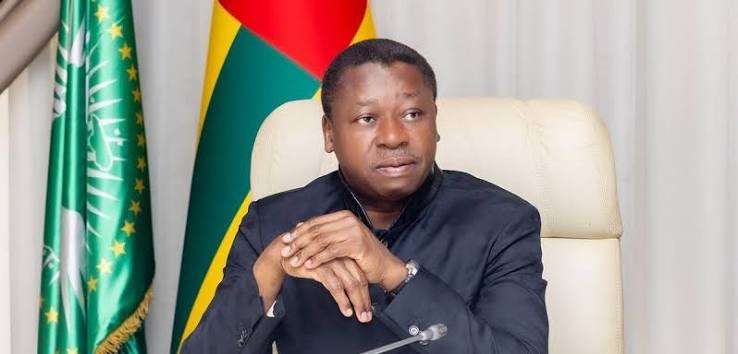
This sudden generosity from the World Bank raises questions about its own evaluation criteria. How can such a blank cheque be justified when the country faces glaring social emergencies—health, education, access to water—that are entirely neglected by the national budget? The regime of Faure Gnassingbé excels at designing ‘showcase’ projects to woo development partners, while keeping the country in a state of internal structural fragility.
This $200 million programme will only increase the country’s moral and financial debt, with no guarantee of a return on investment for the population. If Togo wants to be taken seriously on the international stage, it must first prove that it can manage its resources transparently. In the meantime, this funding looks very much like a blank cheque signed to a regime that has turned resource capture into a method of governance.
You may also like
Niger’s junta reaches breaking point as Barmou’s arrest shifts the balance of power
Niamey mutiny exposes deep rifts in Niger’s military leadership
At the un headquarters in Niamey, the sovereignist bluff meets the reality of foreign aid
In Bamako, the prosecution of journalist Abdrahamane Keïta signals a tightening grip on free speech
RDC-Israël : un rapprochement aux enjeux multiples