
The Western Sahara remains Africa’s last unresolved decolonization issue. Designated by the United Nations as a non-self-governing territory, this region is the stage for a complex struggle where international law, regional power dynamics, and energy security concerns are deeply intertwined.
A striking paradox defines the current situation: while the military landscape on the ground has remained largely static, international diplomatic activity surrounding the conflict is more vigorous and fluid than ever before.
1. Military stagnation meets dynamic diplomacy
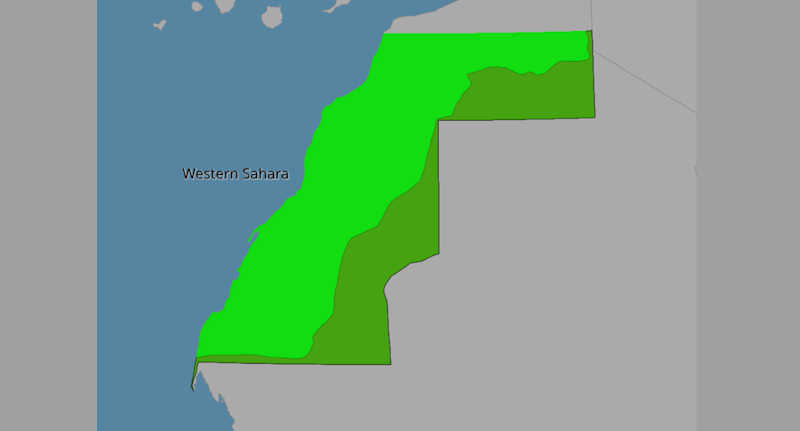
Since the 1991 UN-brokered ceasefire between Morocco and the Polisario Front, military positions have seen minimal change. Morocco maintains de facto administrative, economic, and military authority over the majority of the territory. Conversely, the Polisario Front controls a sparsely populated desert strip located east of the