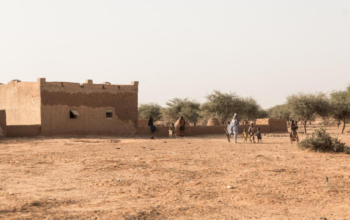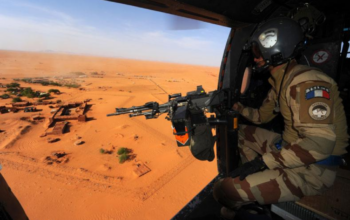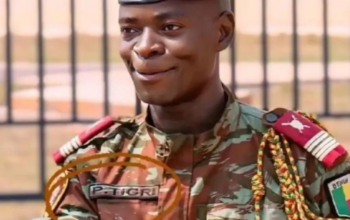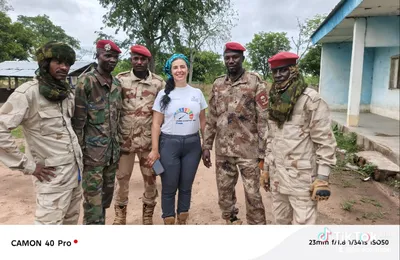
In the northern town of Markounda, efforts by the United Nations Multidimensional Integrated Stabilization Mission in the Central African Republic (Minusca) to disarm rebels from the Mouvement des Patriotes Centrafricains (MPC) have hit an unexpected roadblock. Local sources indicate that personnel associated with the Wagner Group have actively obstructed these disarmament initiatives, raising concerns about the security situation in the region.
Tensions escalate in Markounda amid disarmament delays
The Minusca mission had been working closely with local authorities to implement a structured disarmament, demobilization, and reintegration (DDR) program aimed at reducing violence and restoring stability. However, recent reports suggest that armed groups linked to Wagner have interfered with these efforts, preventing rebels from surrendering their weapons.
Witnesses in Markounda describe scenes of intimidation and obstruction, with armed individuals reportedly monitoring disarmament sites and discouraging rebels from participating. The presence of these groups has created an atmosphere of fear, complicating the already delicate process of disarming former combatants.
Impact on regional security and DDR programs
The disruption in Markounda underscores broader challenges facing Minusca’s mission in the Central African Republic. Disarmament programs are critical to long-term peacebuilding, but their success hinges on cooperation from all armed factions. The interference by Wagner-aligned groups threatens to undermine these efforts, potentially prolonging instability in the region.
Local leaders have expressed frustration over the delays, emphasizing that the DDR process is essential for rebuilding trust and ensuring sustainable peace. Without progress in disarmament, the risk of renewed conflict remains high, particularly in areas where rebel groups still hold influence.
What’s next for Markounda and the Central African Republic?
As Minusca continues its engagement with local stakeholders, the question remains: how will the mission navigate these obstacles to advance its peacekeeping goals? The situation in Markounda serves as a stark reminder of the complexities involved in stabilizing the Central African Republic, where external actors continue to play a decisive role.