Bamako’s Faladiè demolition triggers urgent humanitarian crisis
The destruction of the Faladiè livestock market in Bamako has left over 300 displaced families homeless, intensifying the country’s internal displacement crisis.
Why the Faladiè market demolition happened
The demolition of the Faladiè livestock market, which also hosted an internally displaced persons camp, followed a September 2024 decision by Malian authorities. After jihadist attacks on sensitive military sites including the gendarmerie school, authorities suspected several livestock markets of harboring combatants and ordered their relocation. Faladiè was among those targeted.
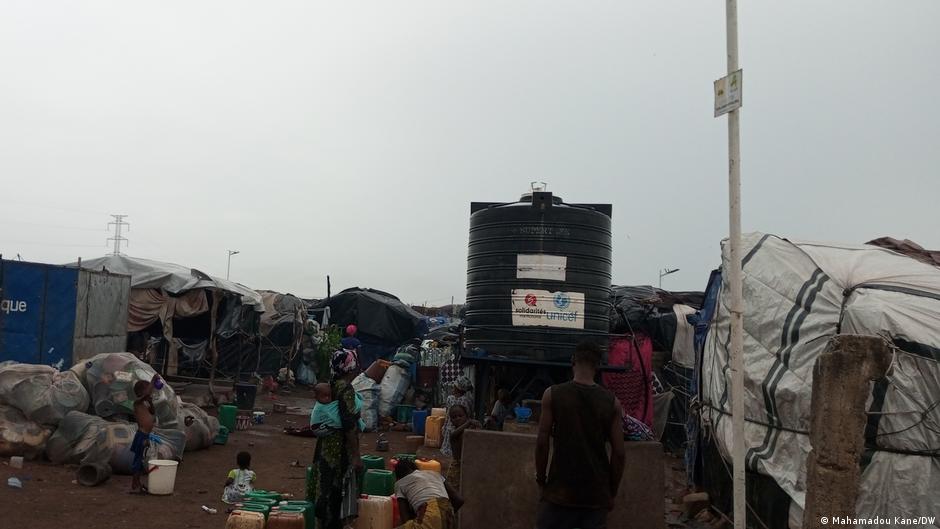
The displaced persons camp housed hundreds of families, primarily from central Mali, who had fled violence years earlier. Their sudden homelessness has created a dire humanitarian situation with over 2,000 people—mostly women and children—now lacking shelter, food, and medical care.
Voices from the displaced: Dado’s story
“We left our village six years ago,” recounts Dado, a 40-year-old mother from the Bankass district in central Mali. She fled her village in 2020 with her entire family due to escalating violence.
“We thought we were safe here,” she explains. Dado lives with seven family members—her mother, two daughters, and three sons. The camp in Faladiè had been their refuge for years, supported by local and international humanitarian organizations.
Failed relocation promises
Officials claim displaced persons from Faladiè should be relocated to Sanankoroba, 35 kilometers from Bamako, where a state-managed site was prepared. However, vendors describe the site as “non-functional,” leaving families in limbo.
Dado pleads for help: “We accept being asked to leave, but we beg for another place to relocate to. We have no choice.”
She describes their struggle: “Before the demolition, we survived by collecting and selling waste and food scraps to livestock breeders. Now we have nothing—no water, no food. But the most urgent need is shelter. A homeless person’s priority is finding a roof over their head.”
Unmet humanitarian needs
The informal camp in Faladiè, established in 2019, had received support from both Malian authorities and humanitarian organizations. However, authorities state it is “too early” to comment on the current situation.
With displaced families now scattered and resources scarce, the humanitarian crisis in Bamako is reaching critical levels, demanding immediate attention and solutions.