Behind the headlines: what’s really driving France’s education protests
As France gears up for a pivotal 2027 presidential election, a growing wave of youth-led protests is exposing deep fissures in the country’s education system. Beyond the immediate frustrations over classroom conditions and university admissions, these demonstrations reveal a generation questioning whether public education can still deliver on its promise of equal opportunity.
From classrooms to streets: how school grievances escalated into a national movement
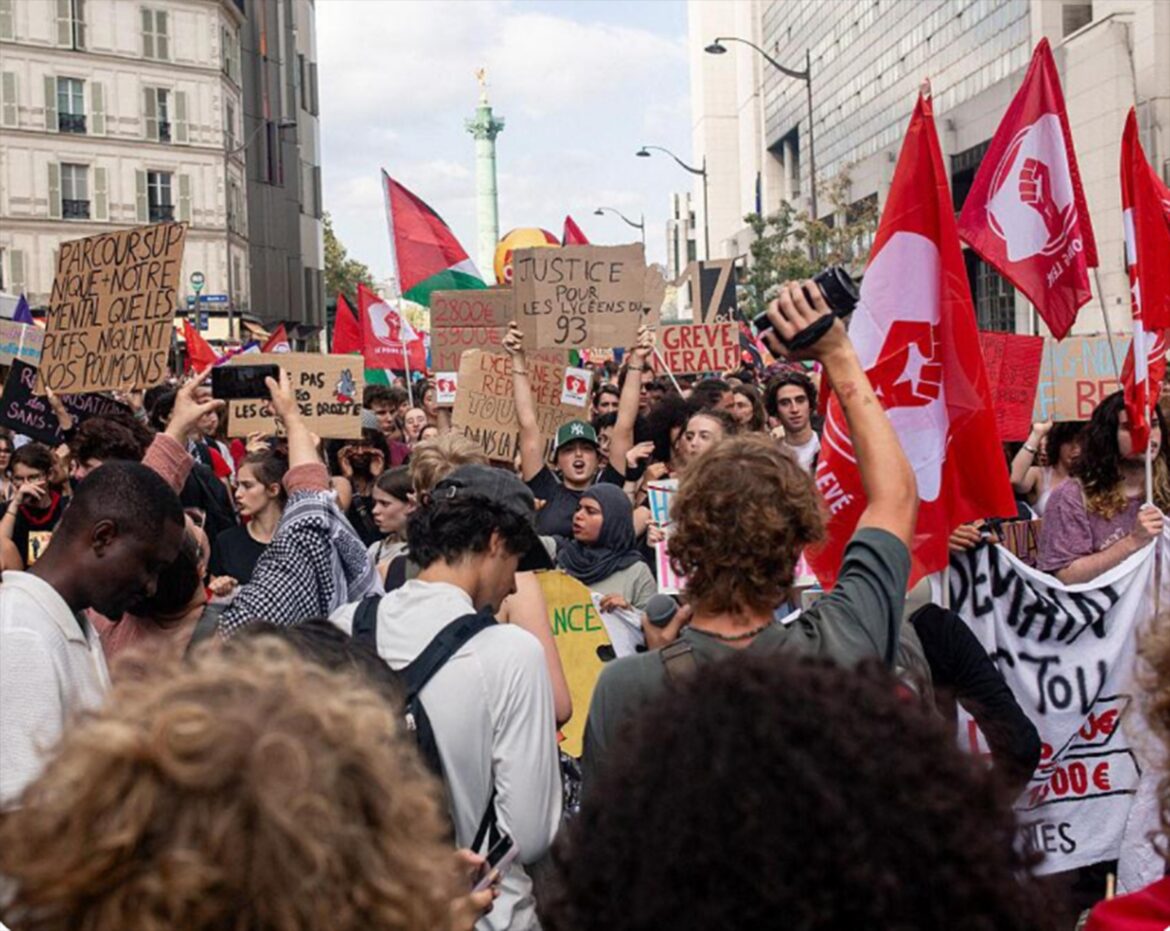
The unrest began quietly in early September when students returned to schools grappling with overcrowded classrooms, crumbling infrastructure, and chronic teacher shortages. What started as isolated walkouts quickly snowballed into a broader movement, with secondary and university students—later joined by teachers and labor unions—amplifying calls for systemic change. By mid-October, the protests had intensified into coordinated blockades and mass demonstrations, transforming local grievances into a nationwide debate.
Government and union figures clashed sharply over participation numbers during the October 13 protest, underscoring the gap between official narratives and on-the-ground reality. Where authorities reported over 160,000 attendees, organizers claimed nearly 500,000 participants—a discrepancy that highlights both the scale of the movement and the mistrust brewing between youth and institutions.
What students are actually demanding
- Classroom realities: Surplus students in some schools force educators to manage groups twice the recommended size, while others face frequent teacher absences due to understaffing.
- Higher education uncertainty: The Parcoursup platform, meant to streamline university admissions, has become a source of stress for secondary school leavers unsure about their futures.
- Inequality by design: Disparities between urban and rural schools—exaggerated by aging buildings, limited resources, and unequal staffing—have turned education into a reflection of France’s social divide.
Is France’s education promise crumbling under inequality?
The protests aren’t just about wanting “more” resources—they’re about demanding fairness. According to an October 10 government consultation, long school hours emerged as a top frustration, followed closely by deteriorating facilities and difficulty accessing qualified teachers. These issues disproportionately affect students in disadvantaged neighborhoods, where systemic neglect has turned education into a pipeline for inequality rather than opportunity.
The government’s response—a pledge to increase education funding and improve teacher replacements in the 2027 budget—has met with skepticism. Critics argue these measures don’t address structural inequities or the real-world conditions students face daily. The divide isn’t just financial; it’s about whether the system can deliver on its founding principle: equal access for all.
When education protests collide with broader social unrest
The October 17 demonstrations marked a turning point. Protests that began as school-specific complaints expanded to encompass cost-of-living pressures, public service cuts, and economic disparities. While the motivations vary—from students fearing for their future to workers fighting for wage growth—these converging voices signal a deeper societal fracture. Violent clashes in Paris and Marseille, while a minority of events, have further strained trust between citizens and authorities, raising urgent questions about civic engagement and public safety.
Yet violence shouldn’t overshadow the movement’s breadth. The diversity of participants—students, teachers, parents, retirees—highlights a shared disillusionment with the status quo, creating pressure for dialogue across sectors that haven’t historically aligned.
2027’S looming shadow: why this election could hinge on youth voices
With the presidential race less than three years away, these protests have thrust education to the top of the political agenda. Candidates are now forced to confront questions that transcend budgets and policies: Can France afford to underinvest in its future? How can schools bridge the gap between privilege and disadvantage? What long-term commitments will secure a generation’s trust ahead of a critical vote?
Emmanuel Macron, whose second term ends in 2027, faces a double-edged reputation: his handling of the crisis could shape his legacy, even as it sidelines his influence in the upcoming election. But the movement isn’t a monolith. Different factions within the protests hold divergent expectations, complicating any attempt to frame youth as a unified voting bloc. Their diversity makes the movement harder to ignore, but also more difficult to translate into concrete policy.
The real test: turning outrage into lasting reform
Protests have amplified issues long ignored by policymakers, but visibility alone won’t overhaul a system rooted in inequality. Lasting change requires more than announcements or crackdowns—it demands structured dialogue with the very voices shaping the future: students, parents, teachers, and communities. Can France build a consensus that prioritizes education as the bedrock of social mobility, or will the cycle of protest and neglect continue?
The slogans in the streets demand immediate relief. But the deeper question they raise is existential: What kind of society does France want to be? The answer won’t be found in clashes or budgets—it will require listening to a generation that refuses to be left behind.