The United Nations Human Rights Investigation Commission for the Democratic Republic of the Congo’s eastern provinces has outlined the framework of its critical mission following its first official update presented at the Human Rights Council in Geneva.
Establishing truths amid eastern DRC’s complex crisis
During a landmark session at the United Nations Human Rights Council, the newly formed Independent Commission of Inquiry on Human Rights Violations in North-Kivu and South-Kivu revealed details of its investigative mandate, designed to address the escalating humanitarian and security crisis gripping eastern Democratic Republic of the Congo.
Arnauld Akodjenou, Chair of the Commission, emphasized that the body’s core mission centers on three pillars: establishing verified facts, preserving critical evidence, and preventing further violations against civilians caught in the conflict.
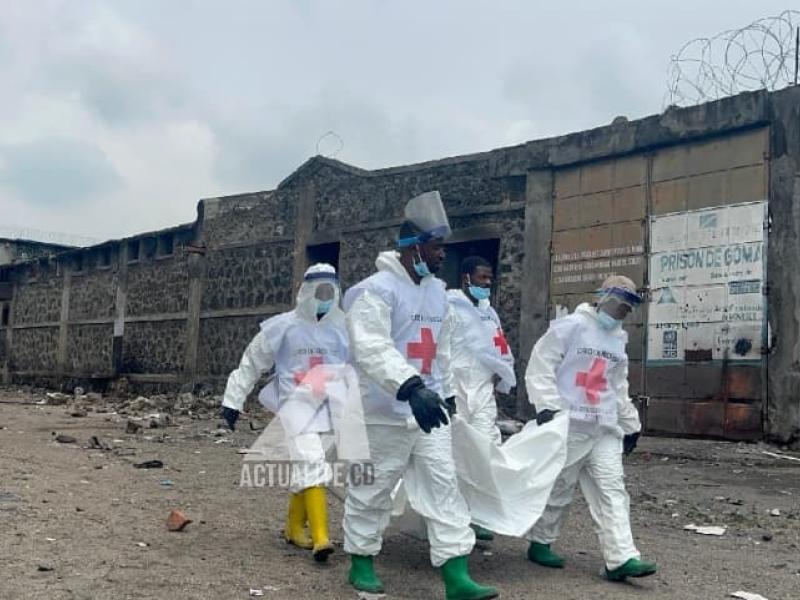
The Commission’s initial findings, gathered from extensive consultations in Kinshasa with survivors, government officials, civil society representatives, and United Nations entities, underscore the extreme gravity of the situation in the Kivu provinces. While logistical and security constraints prevented on-the-ground access to Goma during the first mission, the Commission received firsthand testimonies from individuals and organizations directly affected by the violence.
Uncovering patterns of widespread abuse
The Commission has documented alarming patterns of human rights violations, including:
- Indiscriminate violence against civilians, with reports of extrajudicial killings, arbitrary arrests, and forced displacement
- Systematic sexual violence, including sexual slavery and gender-based crimes targeting women and children
- Targeted attacks on schools, hospitals, and humanitarian aid operations, severely disrupting essential services
- Exploitation of conflict through illegal roadblocks, extortion, and obstruction of humanitarian access
- Threats and intimidation against human rights defenders, journalists, and civil society actors working to document abuses
“The testimonies we have received paint a harrowing picture of suffering and systemic abuse,” Akodjenou stated. “Children have been forcibly recruited, communities displaced en masse, and critical infrastructure deliberately targeted. The humanitarian toll is compounded by the looming threat of Ebola, creating a dual crisis that demands urgent international attention.”
Ensuring impartiality and accountability
The Commission underscored its commitment to independent, impartial, and victim-centered investigations, stressing that its mandate is not directed against any state, community, or institution. Instead, it aims to deliver credible findings that can inform accountability measures and support the prevention of future violations.
“Our role is to uncover the truth, not to assign blame prematurely,” Akodjenou explained. “We will conduct meticulous, field-based investigations as soon as conditions permit, ensuring the safety of victims, witnesses, and those collaborating with our work. The evidence we gather will be essential in holding perpetrators accountable and preventing further atrocities.”
The Commission was established by the UN Human Rights Council in February 2025 through Resolution S-37/1, which tasked it with investigating alleged violations of international human rights and humanitarian law in the Kivu provinces. Its mandate includes examining potential international crimes amid the ongoing hostilities that began in January 2025, with a focus on crimes affecting internally displaced persons, refugees, women, and children.
A call for urgent action and international support
The Commission’s findings highlight the need for a coordinated international response to address the multifaceted crisis in eastern DRC. As it prepares for future missions to the Kivu provinces, the body has called on all parties to the conflict to facilitate unimpeded access for humanitarian and investigative missions, protect civilians, and uphold their obligations under international law.
The Commission’s next steps include conducting on-the-ground investigations in North-Kivu and South-Kivu, engaging with local communities, and collaborating with regional and international partners to ensure a comprehensive and sustainable resolution to the crisis.