UK pledges $26m to fight Ebola in eastern DRC amid conflict
The escalating Ebola crisis in North Kivu, South Kivu and Ituri provinces has compounded an already dire humanitarian situation in eastern Democratic Republic of the Congo (DRC). This stark reality was highlighted by Jennifer MacNaughtan, British Minister Counsellor, during a United Nations Security Council briefing on the DRC’s challenges.
While acknowledging the proactive measures taken by Congolese authorities and the United Nations Organization Stabilization Mission in the DRC (MONUSCO) to facilitate the delivery of critical supplies to affected areas, the UK emphasized its financial commitment to combating the outbreak.
UK steps up funding in the fight against Ebola
“We commend the swift response of the Democratic Republic of the Congo and welcome the efforts of MONUSCO to ensure essential supplies reach affected areas. The United Kingdom has committed up to $26 million to support the fight against Ebola,” stated MacNaughtan on June 26.
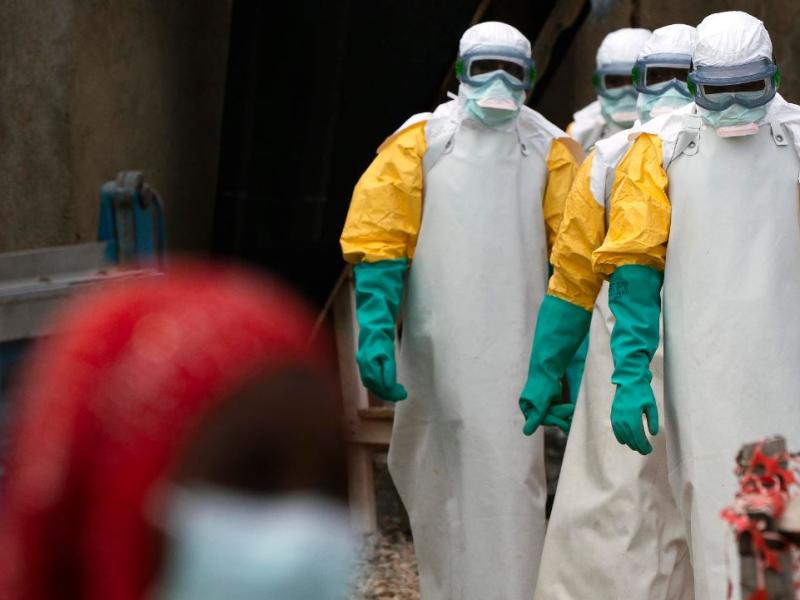
The UK is collaborating closely with Congolese authorities, international partners including the World Health Organization (WHO) and Africa CDC, as well as regional governments to strengthen response coordination, epidemiological surveillance, containment measures and preparedness capabilities.
Conflict complicates Ebola response
Despite ongoing hostilities in eastern DRC between local and foreign armed groups, including the M23 rebel faction backed by Rwanda and government forces, the UK has issued a strong call for all parties to ensure unimpeded humanitarian access to affected populations.
“We urge all parties to guarantee full and unhindered humanitarian access, in line with international law, to enable this vital public health response,” MacNaughtan emphasized on behalf of the UK.
Healthcare systems under immense pressure
The Ebola outbreak continues to spread in eastern DRC, particularly in areas already devastated by armed conflict, population displacement and insecurity. Communities face mounting disruptions to daily life, including restricted access to markets, livelihoods and essential services. Healthcare systems are severely strained, struggling to mount a rapid and effective response.
Health partners stress that an effective response requires secure access to communities affected by insecurity and displacement, robust surveillance at formal and informal border crossings, and clear, accurate public health messaging. In some areas, insecurity and attacks on health workers have further hampered response operations, including case detection and contact tracing.
DRC remains confident in its Ebola response
Despite the challenging context, Congolese authorities have dismissed alarmist narratives, highlighting ongoing efforts with national and international partners to contain the outbreak. The government points to the DRC’s extensive experience in managing health crises, noting that the country has successfully contained sixteen previous Ebola outbreaks through comprehensive response operations.