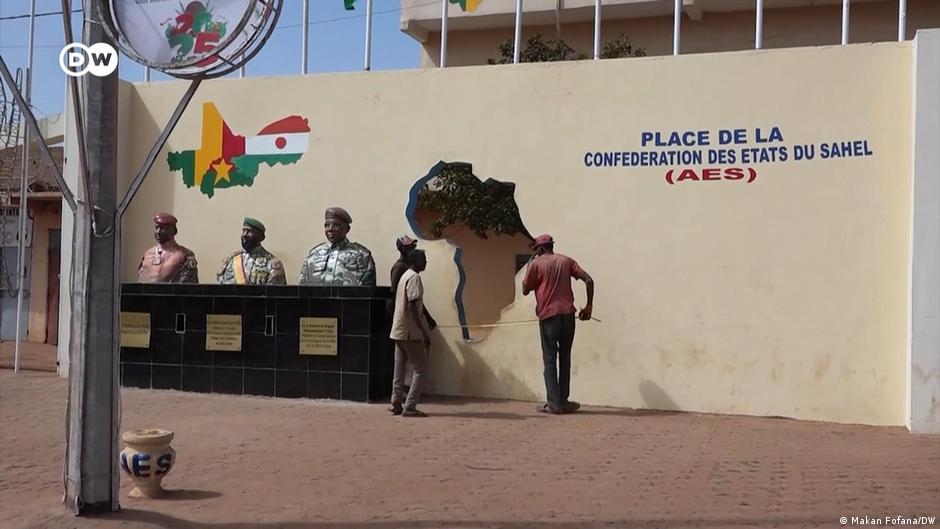
The Togo has recently outlined its updated Sahel strategy aimed at acting as a bridge between military-led nations such as Mali, Niger, and Burkina Faso—all facing severe jihadist threats—and the international community. This announcement came during a high-level diplomatic event held on April 18, marking the launch of the second phase of Lomé’s regional approach.
According to Robert Dussey, Togo’s Minister of Foreign Affairs, this updated strategy is essential due to the escalating terrorist violence across the Sahel, which now threatens the stability of the entire West African subregion. The minister emphasized that without coordinated action, the crisis could destabilize neighboring countries and beyond.
three strategic pillars to enhance regional security
The new strategy is built on three core pillars, as outlined by Dussey:
- Strengthening regional cooperation: Togo is committed to working closely with neighboring states to promote peace and stability.
- Facilitating peace-building conditions: Lomé intends to play a key role in creating an environment conducive to dialogue and reconciliation.
- Supporting political normalization: The country will back efforts to restore democratic governance in nations currently under military rule following coups.
Analysts acknowledge the country’s progress in curbing extremist advances, but questions remain about the long-term effectiveness of its approach.
experts weigh in on Togo’s diplomatic role
Jean Emmanuel Gnagnon, a researcher and crisis management expert at the University of Lomé, acknowledges that while Togo has successfully prevented the deep entrenchment of terrorist cells within its borders, the broader conflict remains unresolved. He notes, “Compared to its neighbors, Togo has managed to delay the spread of violence, but the underlying issues persist.”
However, not all voices are optimistic. Madji Diabakaté, a political scientist, compares Togo’s diplomatic ambitions in the Sahel to “a frog trying to match the size of an ox”. He argues that despite Togo’s efforts, the region’s security and democratic backsliding have not improved significantly. Diabakaté also critiques the country’s alignment with military-led states, suggesting it undermines the ECOWAS and regional stability.
public opinion and the way forward
Domestic criticism within Togo questions whether the government should prioritize domestic political stability before engaging in regional diplomacy. Despite this, Dussey maintains that Lomé’s approach is guided by shared interests with regional and international partners, reinforcing its commitment to collective security.