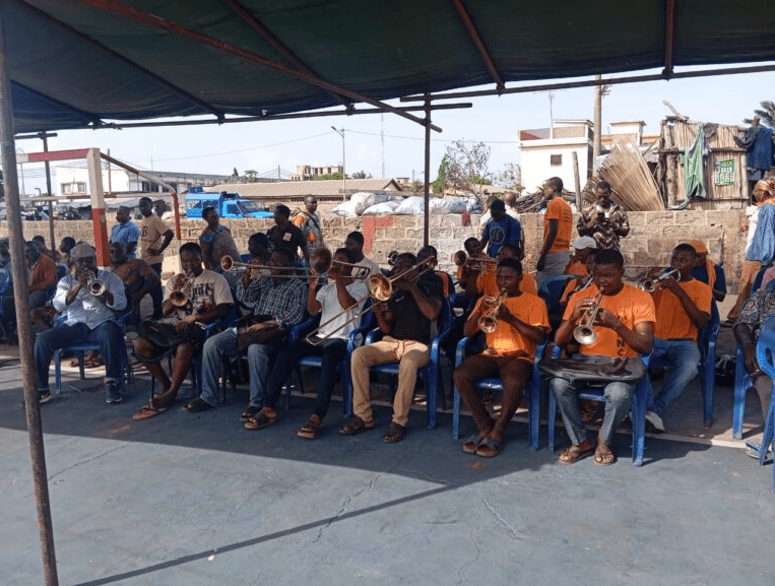
Despite intensive promotion, the CNCC (Cadre National de Concertation pour le Changement) meeting in Akassimé, Lomé, drew only a sparse turnout this past Saturday. Instead of the expected massive crowds, the event was attended by a handful of activists and opposition leaders, leaving the sprawling venue nearly empty.
The gathering, scheduled for 2:00 PM, saw just a trickle of supporters arrive even an hour after its start. Analysts attribute this lukewarm response to a shifting public sentiment in Togo, where citizens now prioritize practical solutions over traditional political rallies. Key concerns like job creation, clean water access, and universal healthcare (Amu) dominate local discussions, overshadowing calls for systemic change.
Prominent figures within the opposition coalition, including several Members of Parliament, struggled to energize the sparse audience. Their rhetoric, often perceived as overly alarmist, fails to resonate with a populace seeking tangible improvements in daily living conditions. This disconnect between political messaging and voter expectations raises questions about the movement’s strategy and coherence.
The transition from CRAC to CNCC has done little to revive momentum. Critics view the rebranding as superficial, arguing that it masks deeper issues within the coalition’s approach. Rather than a nation-shaping rally, the event resembled a modest neighborhood gathering, devoid of the fervor needed to sway national discourse.
For the opposition to regain credibility, a fundamental reevaluation of tactics is essential. The public’s rejection of repetitive political slogans signals a demand for concrete policy contributions to Togo’s development. Political survival in the current climate hinges on presenting a viable alternative—one that moves beyond fleeting mobilizations and empty promises.