Senegal’s special funds: a breakthrough reform faces executive resistance
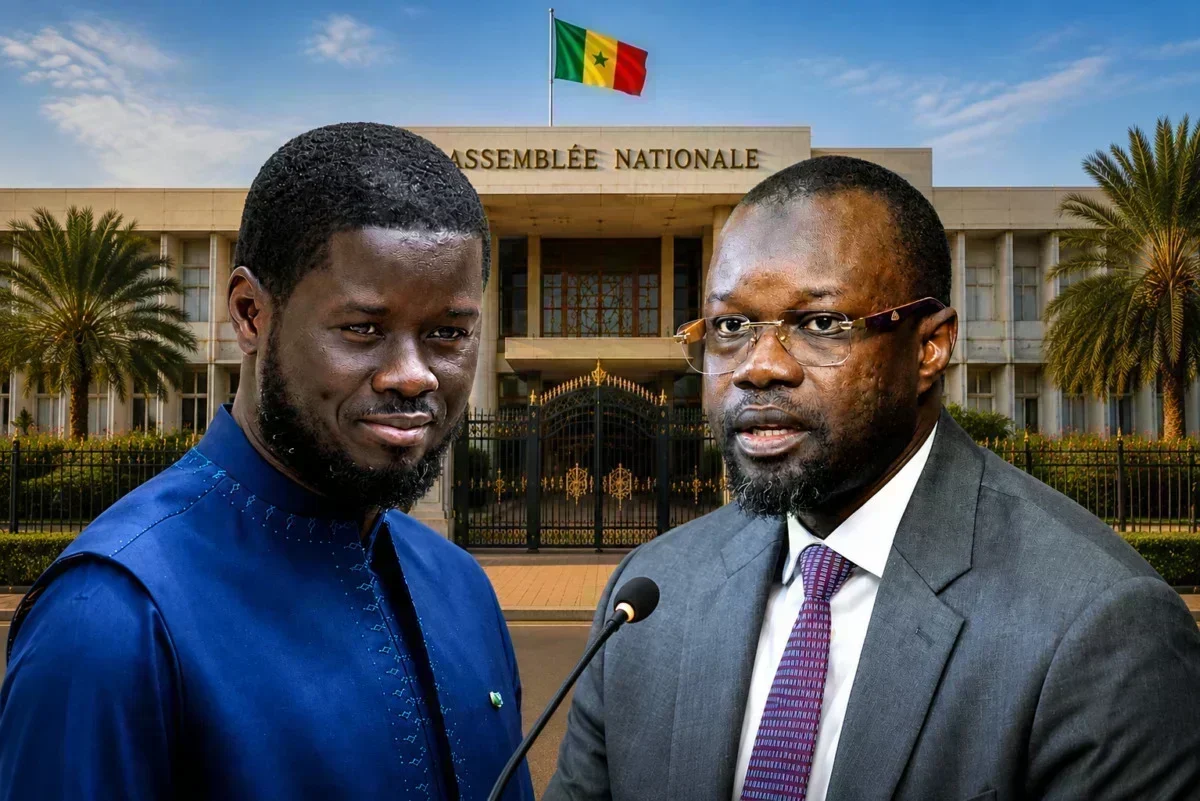
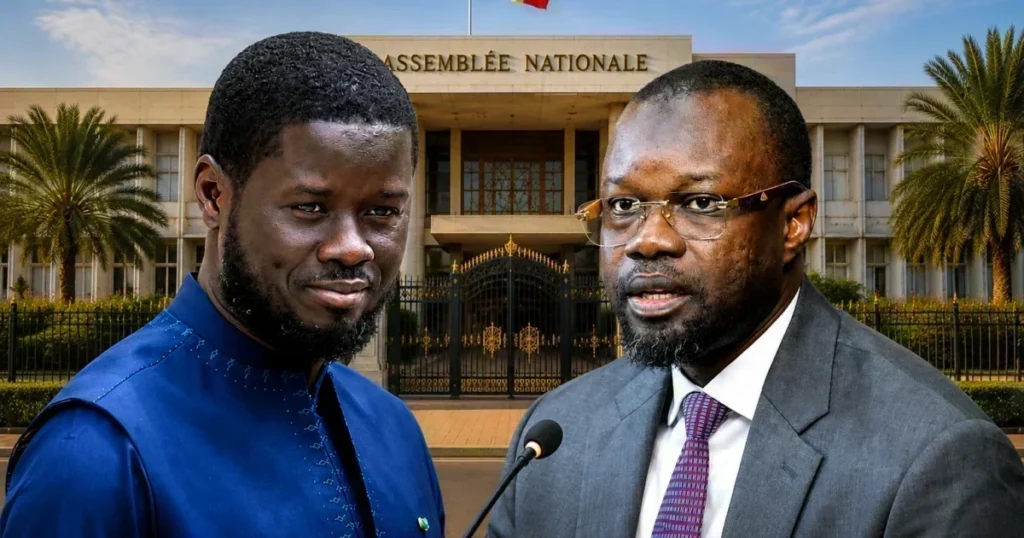
August 13 marked a critical turning point when Justice Minister Moussa Sarr introduced amendments that diluted the proposed oversight framework, shifting control away from parliamentary scrutiny. The moves came as legislators pushed for stricter accountability over discretionary funds traditionally shielded from public review.
The parliamentary push for transparency hits an executive roadblock
The initiative to regulate Senegal’s special funds gained momentum in early August when lawmakers, led by opposition deputy Guy Marius Sagna, tabled a bill designed to dismantle the decades-long opacity surrounding these off-budget expenditures. Traditionally managed under the Presidency and Prime Minister’s offices, these unchecked funds have long operated beyond parliamentary oversight, raising serious questions about financial accountability.
On August 10, legislators convened an emergency session to deliberate the bill, which sought to impose strict legal oversight and introduce confidential audits conducted by a joint parliamentary committee and Supreme Audit Court magistrates. The proposal aimed to bring transparency to funds worth billions of CFA francs that have historically operated in the shadows.
However, the executive branch swiftly countered these efforts. On August 13, Minister Sarr presented amendments that stripped the bill of its operational details, limiting its scope to broad principles. According to the government’s argument, specific execution and control mechanisms should fall under regulatory authority—effectively placing oversight back in the hands of the executive.
The following day, an additional amendment expanded the bill’s application to include the Presidency, National Assembly, and Prime Minister’s office within the proposed regulatory framework. This concession suggested that while the principle of strengthened oversight was acknowledged, the scope and depth of parliamentary control remained hotly contested.
The bill advanced to a vote on August 19, but its journey was abruptly halted the next day when the executive lodged a constitutional challenge. This legal maneuver triggered a setback that would ultimately derail the legislative effort.
Constitutional setback forces legislators to regroup
On August 25, the Constitutional Council delivered a decisive ruling, rejecting the bill outright. The Council argued that regulating public funds through an ordinary law—not a constitutional amendment—exceeded parliamentary authority, as such matters fall exclusively under the domain of an organic law. This ruling forced lawmakers back to the drawing board, compelling them to rework the proposal under a different legal framework.
In response, the National Assembly’s Bureau declared on September 2 that a revised organic law proposal would be considered. This new draft seeks to amend Organic Law No. 2020-07 of February 26, 2020, which governs financial laws. However, constitutional protocol now requires consultation with the President before the bill can proceed to committee review and floor debate—an additional procedural hurdle that further delays meaningful oversight.
In practical terms, the absence of a finalized legal framework means that billions in discretionary funds continue to operate without effective external scrutiny. While national security secrecy remains preserved in all draft versions discussed so far, the debate now centers on whether the proposed oversight will extend to funds managed not only by the Presidency but also the Prime Minister’s office and potentially the National Assembly itself.
Disagreements persist over scope and control
The legislative debates have exposed deep divisions. While the parliamentary majority advocates restricting special funds to sovereign state functions, the executive emphasizes their use in addressing humanitarian and social emergencies. Tensions center on the definitions of permissible uses, the boundaries of oversight, and whether lawmakers themselves should be subject to the same scrutiny as the executive branch.
Since 2011, the annual allocation for special funds in the initial budget has remained static at 8,856,296,000 CFA francs, yet actual disbursements frequently deviate from this figure. The lack of independent verification mechanisms has made it impossible to accurately assess these discrepancies. Until the organic law proposal completes its parliamentary journey, a significant portion of state expenditures—from the Presidency to the Prime Minister’s office—will continue to operate in a regulatory vacuum, despite the ongoing reform push led by deputies including Ousmane Sonko.
Financial opacity persists amid political maneuvering
The scale of the challenge extends beyond the legislative process. With no mechanism for independent review, the true financial impact of these unchecked expenditures remains obscured. The persistence of this opacity not only undermines public trust but also raises concerns about the efficient allocation of national resources.
As legislators and the executive continue to clash over the definition and control of special funds, one thing remains clear: without a finalized legal framework, billions in discretionary spending will remain shielded from meaningful parliamentary oversight—leaving citizens, businesses, and the national budget exposed to unchecked financial decisions.
You may also like
Niger’s reshuffle: the decisive turn where loyalty pays and the people pay
Niger’s information crackdown: the decisive break that changes everything
Niger’s fuel subsidy burden pushes SONIDEP toward 28 billion FCFA loss in 2026
Bénin et Émirats arabes unis renforcent leur coopération militaire et sécuritaire
At the un, Togo’s 2 million dollar African map gamble sparks outrage at home