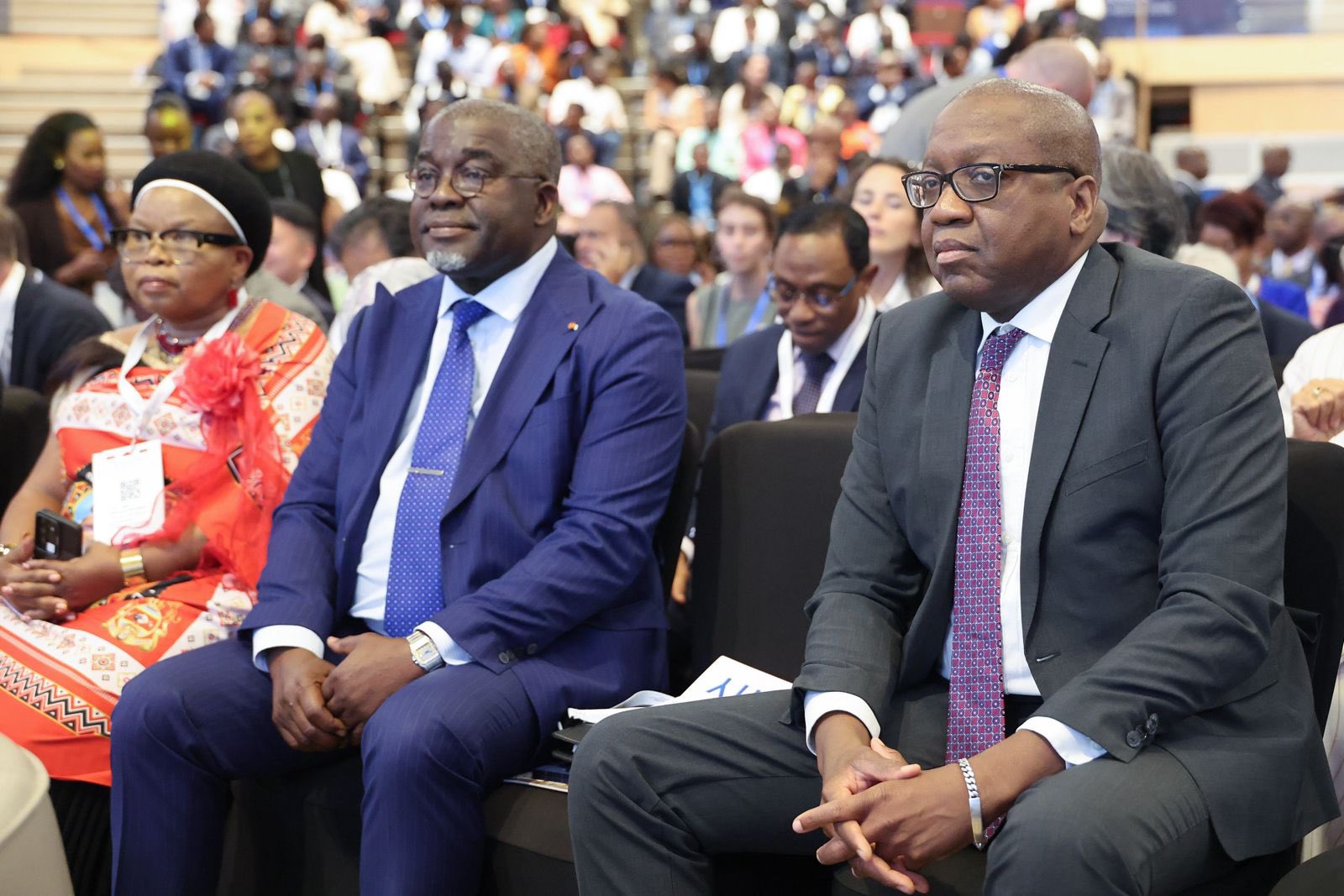
Kigali, May 20, 2026 — The halls of the Kigali Convention Centre buzzed with urgency and ambition on May 19 as heads of state, nuclear energy experts, investors and international partners gathered for the second edition of the Nuclear Energy Innovation Summit for Africa (NEISA 2026). The event underscored the continent’s growing resolve to reshape its energy destiny amid rising demand and economic transformation.
Togo leads call for energy sovereignty at NEISA 2026
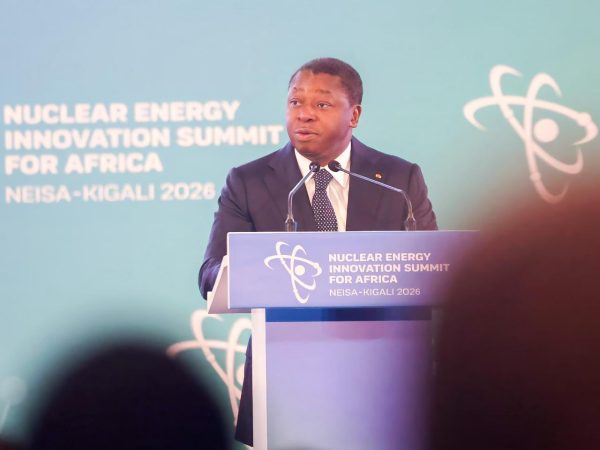
Among the prominent voices at the summit was Faure Essozimna Gnassingbé, who articulated a powerful message: Africa can no longer react to energy shortages—it must now build the infrastructure to power its industrial and digital future.
In his keynote address, the Togolese President emphasized that without reliable, affordable and sustainable energy, Africa’s industrialization and digital growth will remain stifled. He highlighted the urgent need for African nations to align energy policy with demographic expansion, economic diversification and technological advancement.
Nuclear energy emerges as Africa’s strategic frontier
Once perceived as unattainable for many African nations due to cost and technical barriers, nuclear energy is now being reconsidered as a cornerstone of the continent’s energy future. At NEISA 2026, delegates framed it not just as a power source, but as a pillar of energy sovereignty, industrial competitiveness and long-term security.
The Togolese delegation championed a forward-thinking strategy centered on innovative partnerships, diversified energy portfolios and strengthened regional cooperation. Their vision goes beyond immediate power needs—it’s about building resilient, future-ready energy systems capable of supporting Africa’s next phase of growth.
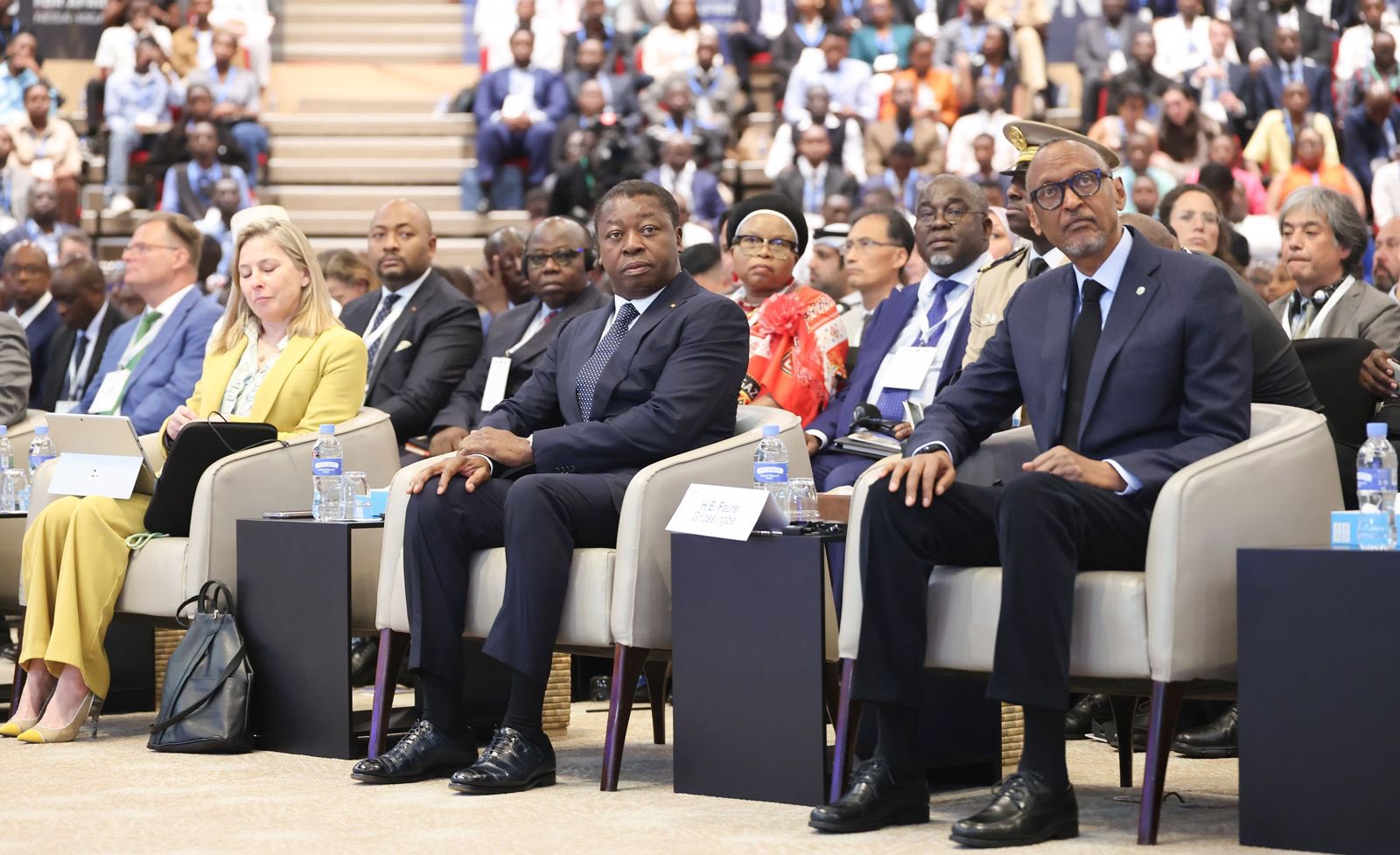
Innovation, cooperation and local capacity: the pillars of Togo’s energy strategy
The Togolese approach, as presented in Kigali, rests on three key pillars: international collaboration, infrastructure investment and human capital development. Discussions at NEISA 2026 also focused on smart grids, energy financing mechanisms and vocational training programs designed to equip Africa with the skills needed for a low-carbon transition.
For African economies facing surging energy demand, these priorities are not optional—they are essential. Togo’s leadership signals a broader continental shift: from dependency on imported energy solutions to self-sufficiency and technological innovation.
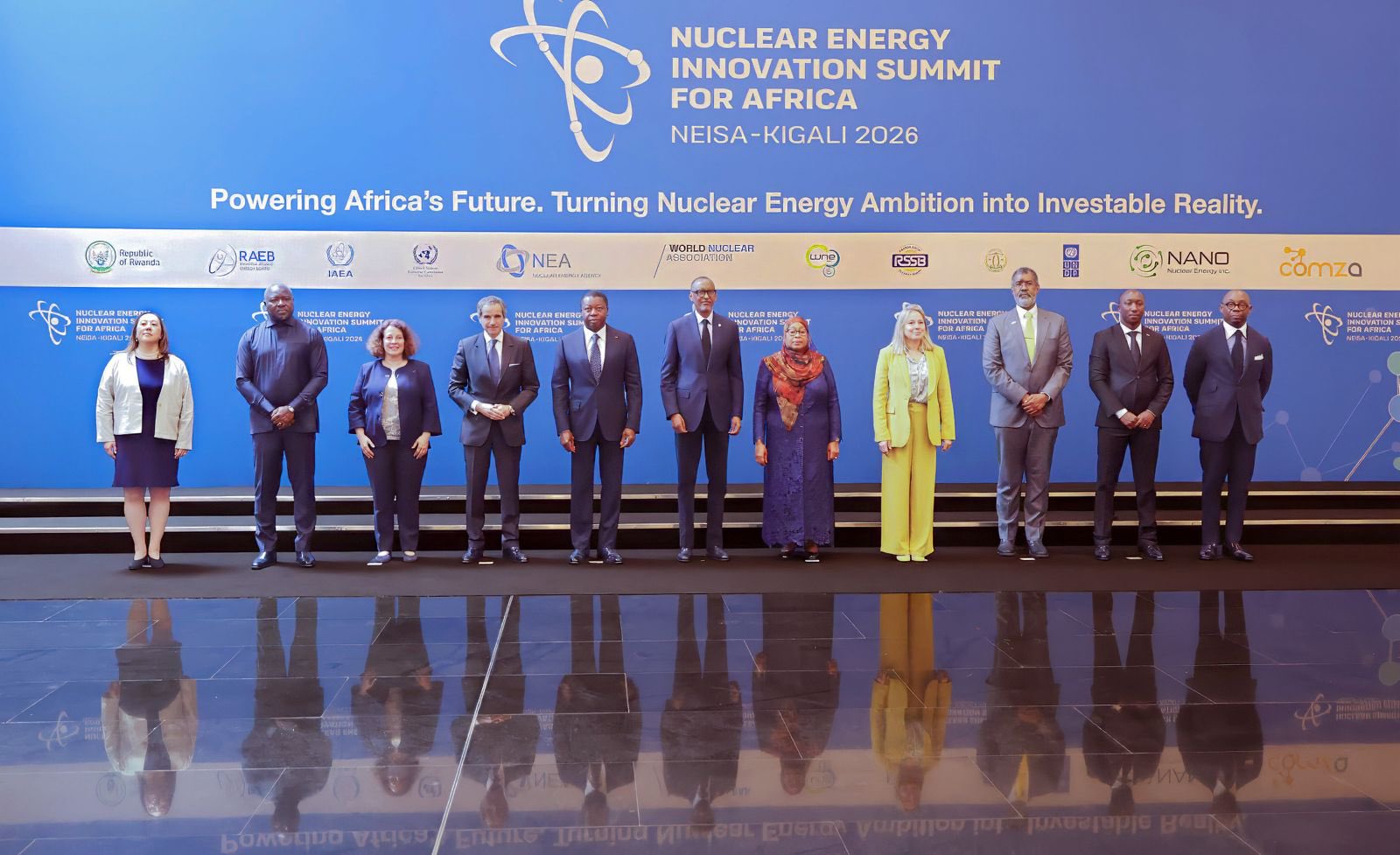
Kigali summit signals Africa’s energy independence drive
NEISA 2026 was more than a technical forum—it was a statement of intent. Leaders in attendance agreed: the future of African energy must be shaped by Africans, for Africans. The summit crystallized a growing consensus: energy is not merely a utility, but the engine of economic sovereignty.
Through bold investments in nuclear and renewable technologies, strengthened regional alliances and a commitment to innovation, Africa is charting a new course—one that positions the continent not as a passive consumer of global energy trends, but as an architect of its own destiny.