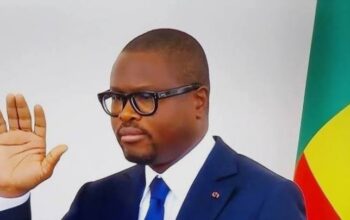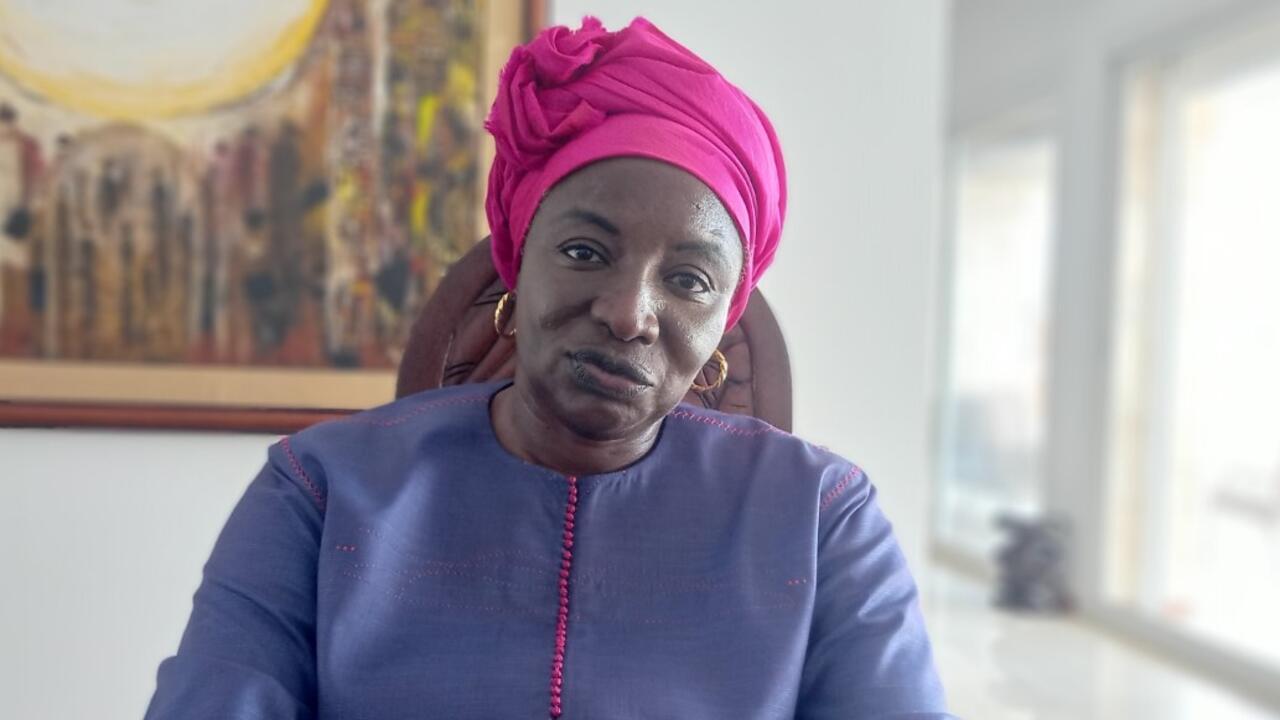
In Senegal, the recently appointed government led by Prime Minister Ahmadou Al Aminou Mohamed Lô has ignited sharp discussions. Comprising 30 ministers, the team blends technocrats with allies of President Bassirou Diomaye Faye. Notably absent are prominent figures from the Pastef party, despite its leader, Ousmane Sonko, being a member. This absence underscores a growing divide between President Diomaye Faye and Ousmane Sonko, further highlighted by the Pastef party’s refusal to participate in the new administration.
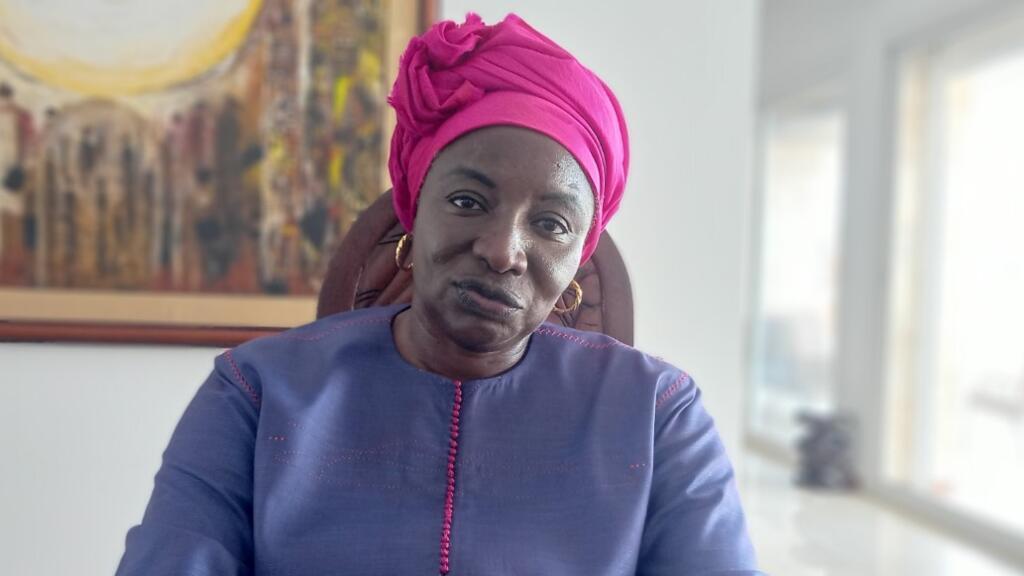
Aminata Touré, general supervisor of the Diomaye Président coalition, is the featured guest on this edition of Africa Invited. She shares her perspective on the challenges and expectations surrounding the new government’s formation.
a government formed without heavyweight Pastef figures
When asked about the legitimacy of a 30-member cabinet that includes some Pastef members but lacks prominent figures, Aminata Touré emphasizes the democratic process. She states that President Bassirou Diomaye Faye was democratically elected with 54% of the vote and has the authority to appoint the Prime Minister, who then proposes the government. According to Touré, the cabinet is designed for efficiency, with the primary focus being on addressing the pressing needs of the Senegalese people.
cohabitation concerns and governance challenges
With the Pastef party holding a majority in the National Assembly under Ousmane Sonko’s leadership, questions arise about the executive’s ability to govern effectively. Aminata Touré clarifies that President Diomaye Faye is a member of Pastef, and several ministers in the new government also belong to the party. This, she argues, is an internal party matter. She urges all parties to respect their roles and prioritize the interests of Senegal. Touré warns against using institutions to pursue personal interests, stressing that such behavior would harm the population, who are in dire need of stability and progress rather than institutional crises.
accountability and political moralization under scrutiny
Disagreements between Ousmane Sonko and Bassirou Diomaye Faye have raised concerns about the future of political accountability and moralization, a cornerstone of the Pastef party’s promises. Aminata Touré dismisses these concerns, asserting that accountability does not equate to settling scores. Drawing from her experience as a former Minister of Justice, she explains that legal accountability requires evidence and due process. She reaffirms President Diomaye Faye’s commitment to accountability without resorting to political vendettas.
debt restructuring and economic strategies
The debate over Senegal’s debt, particularly regarding potential restructuring with the International Monetary Fund (IMF), has been a contentious issue. Ousmane Sonko has consistently opposed such measures. Aminata Touré frames the debt challenge as a practical concern rather than an ideological one. She highlights that Senegal must engage in reprofiling and negotiations with creditors to manage its debt sustainably. Touré cautions against approaches that could trigger social hardships reminiscent of past structural adjustment programs, which caused widespread poverty and took decades to recover from.
2029 presidential ambitions and political competition
Speculation abounds regarding the Pastef party’s refusal to participate in the government as a tactic to undermine President Diomaye Faye’s administration in favor of Ousmane Sonko’s presidential ambitions for 2029. Aminata Touré dismisses these claims, stating that political ambition is natural and legitimate for all parties. She stresses that the central issue is the Senegalese people’s desire for stability and tangible progress, not prolonged election campaigns. Touré calls for a focus on addressing the country’s pressing challenges, emphasizing that the competitive electoral process will unfold in due course.
In her closing remarks, Aminata Touré reiterates the importance of allowing democracy to function. She concludes that while differing opinions are inevitable, the overarching goal should be to prioritize the interests of the Senegalese people and avoid personal or partisan conflicts that could destabilize the nation.