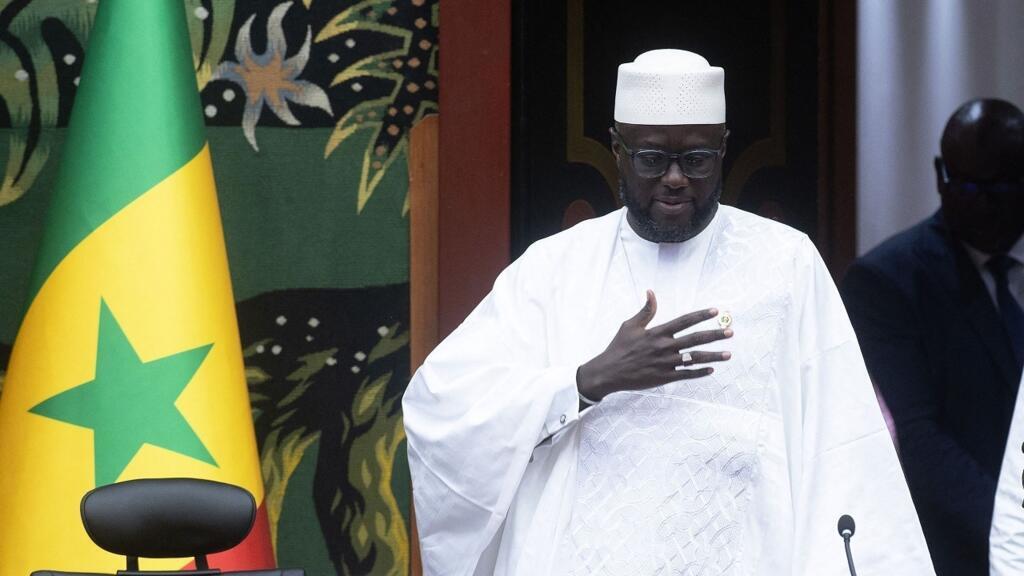
Political tensions in Senegal reached a new peak on May 24, 2026, as Malick Ndiaye, the President of the National Assembly, announced his resignation from the top legislative position. The decision, conveyed through a statement on social media, marks a significant shift in the country’s parliamentary landscape.
In a carefully worded message, Ndiaye explained his choice, emphasizing personal conviction and a commitment to the nation’s highest interests. “After deep reflection, guided by a sense of responsibility and the principles of statecraft, I have decided to resign from my role as President of Senegal’s National Assembly,” he stated. The move reflects his vision for public service and institutional integrity, he added.
Political fallout follows prime minister’s dismissal
Ndiaye’s resignation comes just 48 hours after President Bassirou Diomaye Faye terminated the mandate of Prime Minister Ousmane Sonko, citing irreconcilable differences. The sudden dismissal triggered a cascade of changes, including the dissolution of the entire government. Observers see Ndiaye’s departure as a direct consequence of these sweeping political adjustments.
As Senegal navigates this period of upheaval, the implications for the National Assembly and the broader political scene remain under close scrutiny. Further developments are anticipated in the coming days.