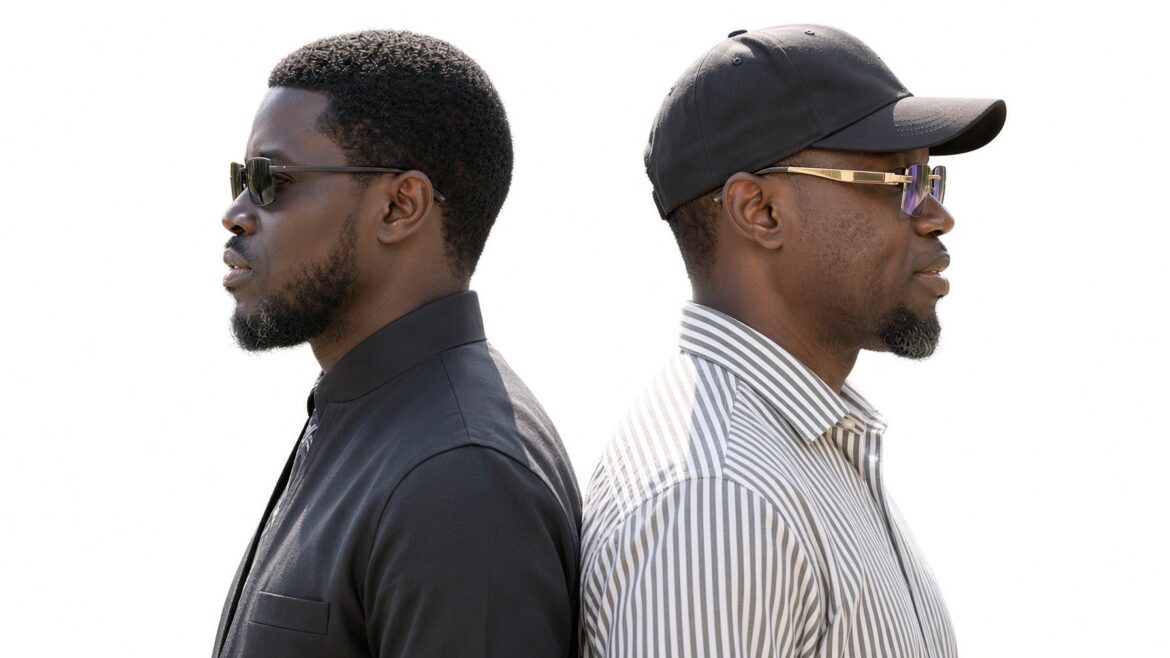
The latest rejection of Senegal’s 2026 Supplementary Finance Bill has exposed not just a legislative deadlock, but a structural fracture within the country’s political leadership. For the third time, the National Assembly has blocked the revised budget, this time in a definitive vote that underscores a widening schism between President Bassirou Diomaye Faye’s administration and its own parliamentary majority.
The anatomy of a political impasse: why the 2026 budget is stuck in limbo
This budget standoff is more than a procedural setback—it reveals a fundamental breakdown in coordination between the executive and legislative branches. The repeated rejections stem from a growing rift within the ruling coalition, particularly within the parliamentary group of Pastef, led by Prime Minister Ousmane Sonko. Unlike previous conflicts, this clash is not about policy details, but about the very legitimacy of the government’s approach to fiscal planning.
Sonko’s faction has openly defied the president’s budget proposal, framing it as a unilateral imposition rather than a collaborative effort. Their stance signals a deeper ideological divide: while the executive seeks to implement sweeping cost-cutting measures, the parliamentary majority insists on prioritizing social investments and institutional transparency.
The budget cuts that sparked outrage
The parliamentary opposition to the revised budget centers on three key grievances:
- Massive reductions in social spending: The Finance Commission identified cuts totaling 555 billion FCFA, targeting critical infrastructure such as health centers, schools, flood prevention systems, and low-income housing projects.
- Lack of transparency in debt management: Lawmakers demanded full disclosure of borrowing terms, audit reports, and the use of special funds—areas they argue have been shrouded in secrecy.
- Uncompromising deficit targets: Despite government concessions lowering the deficit cap to 1,735.2 billion FCFA (7.6% of GDP), parliament rejected the proposal as insufficient, citing unmet public demands for accountability.
From debate to confrontation: how dialogue collapsed
The collapse of negotiations was not gradual—it was accelerated by a rhetoric of confrontation. The executive accused lawmakers of endangering the people by blocking reforms, while the parliamentary majority accused the government of undermining democratic oversight, refusing to act as a rubber-stamp body. The public exchanges grew increasingly acrimonious, turning what should have been a technical discussion into a political trench war.
After the third rejection: what’s next for Senegal’s budget?
The failure to pass the revised budget leaves Senegal in uncharted fiscal territory, with limited and risky options on the table:
- Constitutional backdoors: The government may explore exceptional measures under Article 86 of the Constitution, such as passing the budget by ordinance or implementing temporary spending ceilings—steps that risk escalating tensions.
- Political retaliation: In response to executive overreach, parliament may consider drastic measures, including a vote of no-confidence—a move that could destabilize the Faye-Sonko alliance.
- Economic fallout: Delayed disbursements from international partners, frozen budget support, and stalled payments to state contractors threaten to deepen economic strain, particularly as public services face reduced funding.
Can Senegal’s leadership restore fiscal stability?
The path forward hinges on whether President Faye and Prime Minister Sonko can bridge their widening political divide. Without a credible compromise, Senegal risks fiscal stagnation, eroded investor confidence, and a prolonged social and economic standstill—leaving households and businesses to bear the brunt of the impasse.
As the government scrambles for legal and political solutions, one truth emerges: the budget crisis is no longer just about numbers on paper. It is a referendum on governance, trust, and the future of Senegal’s democratic institutions.