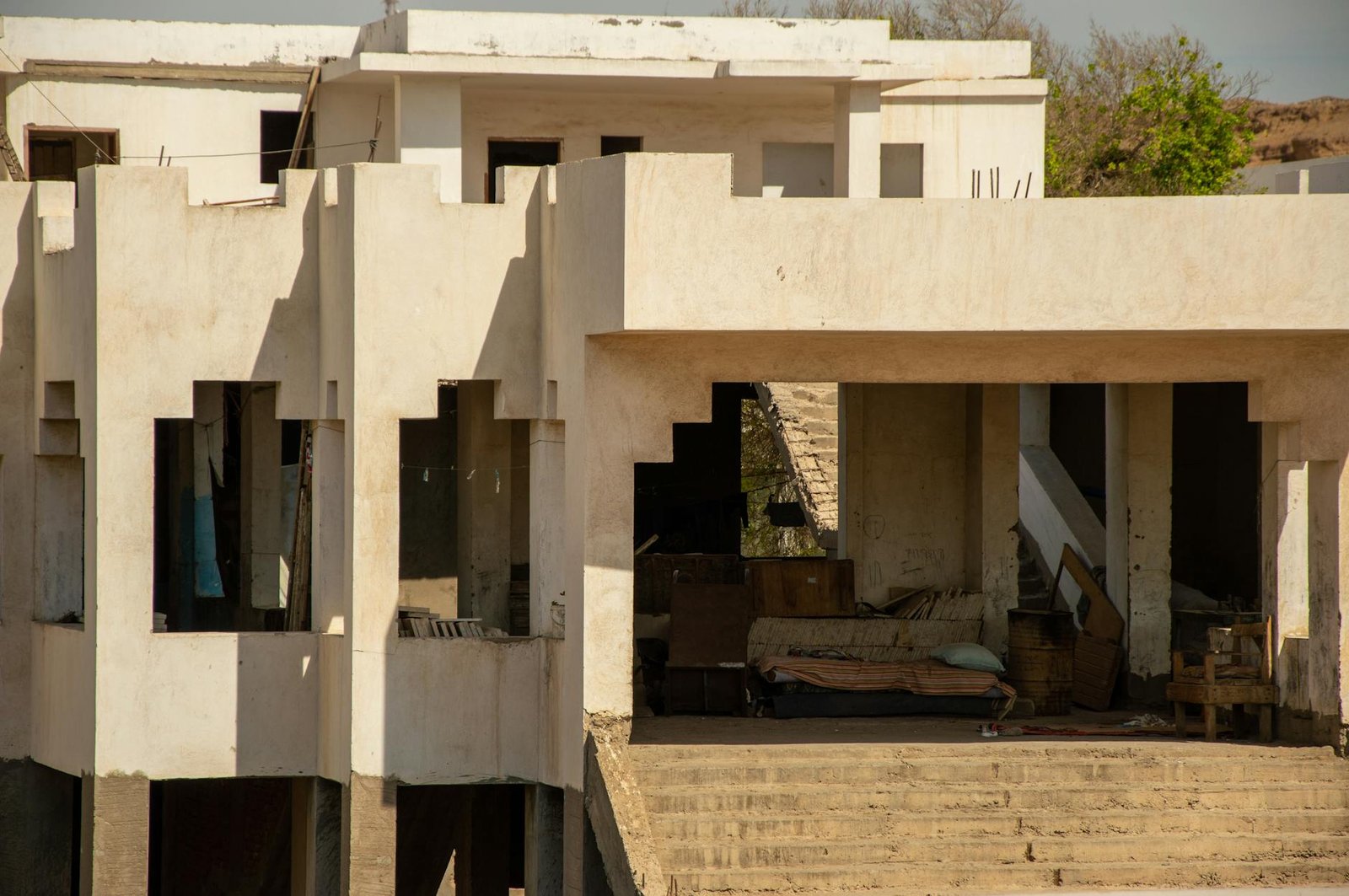
Senegal is taking decisive steps to optimize its public asset portfolio, with a sharp focus on 25 completed infrastructures that have failed to deliver expected services. Government analysis reveals these dormant assets represent a staggering 279 billion West African CFA francs in tied-up capital, equivalent to a substantial budget envelope frozen without generating economic or social returns. This situation underscores a persistent challenge in public procurement: the critical gap between project completion and effective utilization.
Targeted audit of idle public assets
The assessment initiative follows a systematic evaluation of state-owned properties. Teams have meticulously cataloged completed but unused structures, including administrative buildings, sector-specific facilities, and economic ventures. These idle assets represent pure losses as depreciation continues without corresponding service delivery, compounded by ongoing maintenance costs, security expenses, and accelerated deterioration from lack of occupation.
Dakar’s strategy centers on reintegrating these facilities into productive or administrative circuits through redeployment, inter-agency sharing, or private partnerships. The approach involves examining each infrastructure individually to identify root causes of non-utilization. Common patterns emerge: facilities delivered without operating budgets, buildings constructed without designated usage, or projects lacking essential logistics planning for activation.
Addressing fiscal pressure through asset recovery
This audit arrives at a pivotal moment for Senegal’s government, which has prioritized financial transparency and expenditure control since 2024. Identifying these underutilized assets provides immediate fiscal relief by freeing up capital without new borrowing, while also reducing dependence on external financing. Mobilizing 279 billion CFA francs of already-invested assets creates breathing room in a challenging debt service environment.
The initiative aligns with ongoing reviews of public contracts and parastatal accounts, reinforcing a clear principle: before increasing tax pressure or launching new investments, the state must maximize existing resources. This strategy echoes repeated recommendations from the Cour des comptes, which has long highlighted weaknesses in post-delivery management of public projects in Senegal.
Enhancing project governance and accountability
Beyond the financial implications, the assessment reveals systemic issues in infrastructure project governance. Completion of a building marks not the end of a cycle but the beginning of its economic usefulness. Unfortunately, the fragmented division of responsibilities between ministries and agencies throughout the project lifecycle—from feasibility to service activation—creates critical blind spots. International financial institutions have repeatedly emphasized the need for clearer accountability chains throughout the entire project timeline.
For these 25 sites, multiple pathways are available. Some may be reassigned to government agencies currently leasing private office space, generating immediate rent savings. Others could be privatized or concessioned under strict contractual terms. A third option involves addressing missing components—equipment, staffing, or utility connections—to activate their original intended purpose. Final decisions will depend on case-by-case evaluations and pending budgetary decisions.
This public asset revitalization effort serves as a credibility test for Senegal’s administration. Success requires transparent progress reporting and verifiable performance indicators. As other West African nations grapple with similar ‘ghost infrastructure’ challenges, Senegal’s approach could serve as a regional model for maximizing public investment returns. Every CFA franc invested must deliver its full potential value.