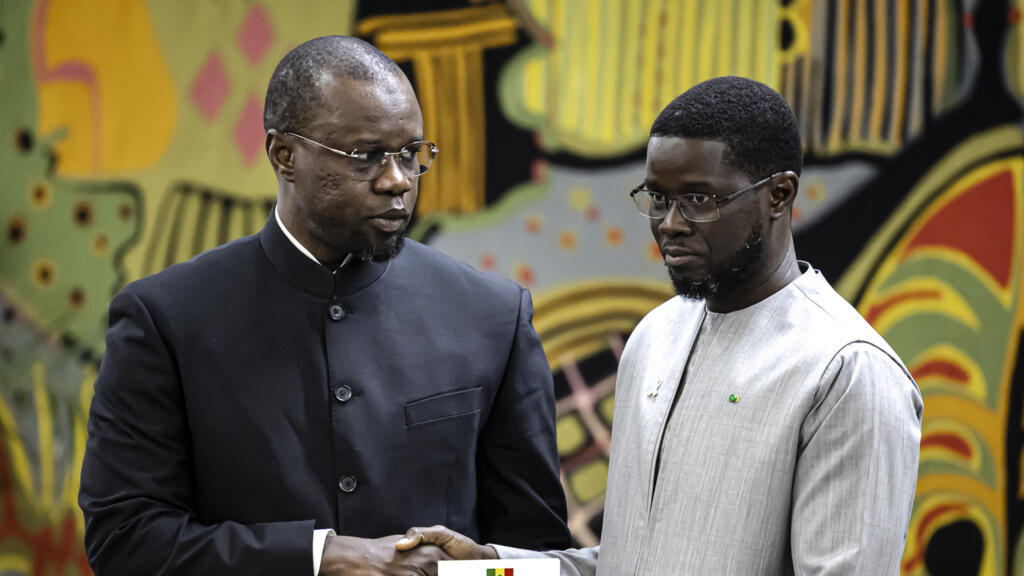
Senegal’s President Diomaye Faye initiates national dialogue, while Prime Minister Sonko engages lawmakers
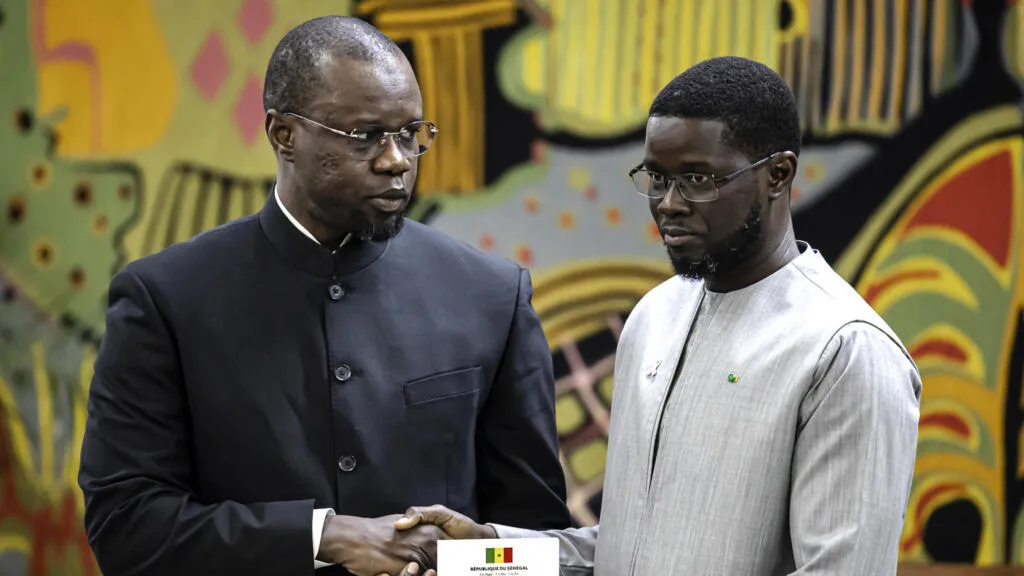
With Senegal at a crossroads, President Bassirou Diomaye Faye has chosen to replace the traditional May 28 national dialogue with a more extensive ten-day consultation process. This shift aims to engage civil society organizations, political parties, traditional and religious leaders in shaping the nation’s future. The move reflects the new administration’s commitment to inclusive governance.
Political analyst Maurice Soundieck Dione, from the University of Gaston Berger in Saint-Louis, highlights this as a strategic move to reinforce the president’s image as a consensus-builder. ‘Diomaye Faye is positioning dialogue not just as a gesture, but as the cornerstone of his leadership style,’ Dione notes. The consultations come at a critical time, as opposition parties challenge the controversial adoption of the electoral law reform and the government prepares sweeping constitutional changes.
Sonko’s address to legislators
Meanwhile, Prime Minister Ousmane Sonko is set to address legislators on May 22, marking his fifth appearance in the parliamentary question-and-answer session. While such sessions are routine, the timing raises eyebrows. Analyst Assane Samb suggests a coordinated approach between the presidency and the prime minister’s office could have avoided potential overlaps. Instead, the current scenario mirrors ‘a dynamic where both leaders are asserting their influence,’ according to Dione. In Senegal’s evolving political landscape, this competitive positioning underscores the delicate balance within the executive branch.