Can Ousmane Sonko topple Senegal’s government?
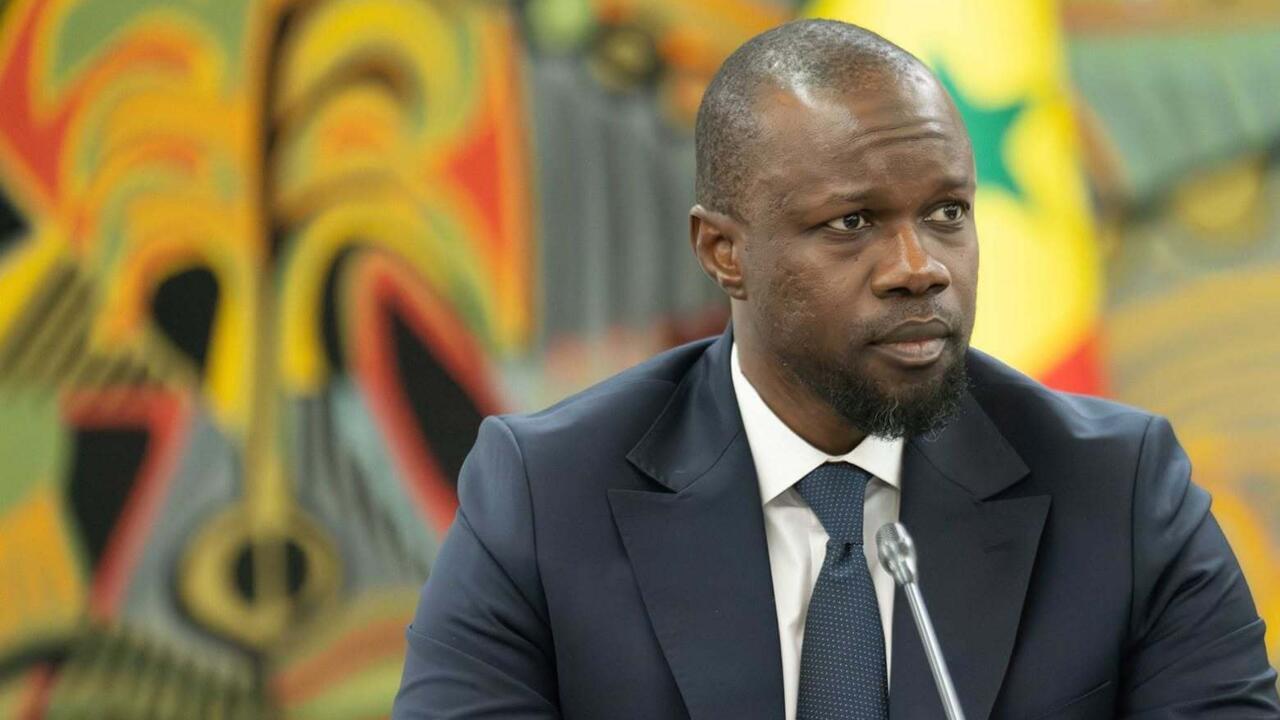
Senegal is witnessing a deepening political crisis as Ousmane Sonko, the newly elected President of the National Assembly and leader of a commanding parliamentary majority, escalates his confrontation with President Bassirou Diomaye Faye. Sonko has openly threatened to bring down the government “as many times as necessary,” accusing the head of state of abandoning the nation’s sovereignty agenda in favor of consolidating his personal political party. But does he possess the political leverage to execute this threat? More critically, how is President Faye responding to this unprecedented challenge to his authority?
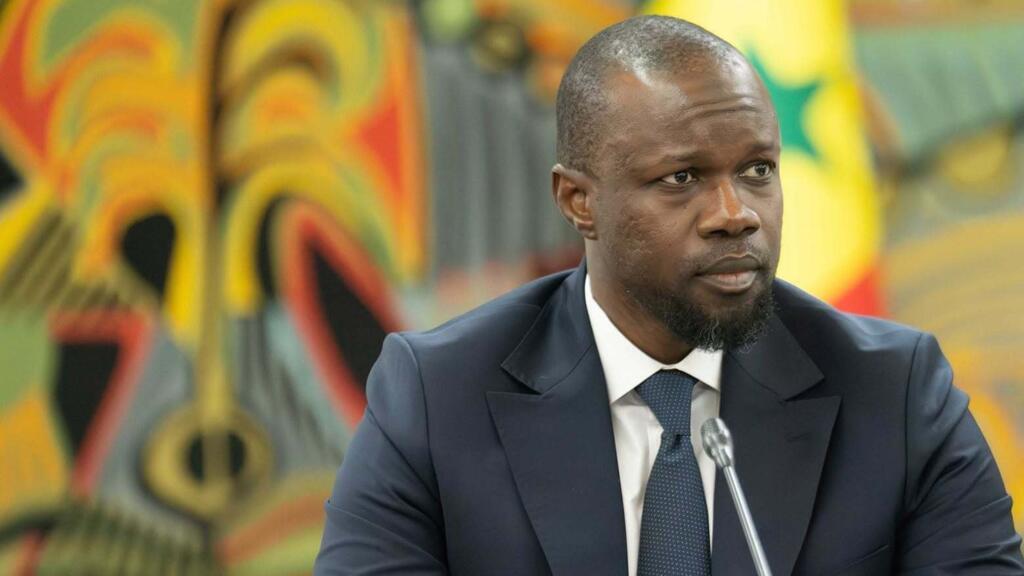
Ousmane Sonko’s strategic positioning
The National Assembly President has positioned himself as the most influential figure in Senegal’s political landscape following recent legislative elections. With his party securing an overwhelming majority in parliament, Sonko now holds substantial constitutional powers that could potentially destabilize President Faye’s administration. His repeated warnings about toppling the government reflect a calculated strategy to pressure the presidency into aligning with his policy priorities.
Sonko’s primary grievance centers on what he describes as President Faye’s abandonment of the sovereignist project that propelled both leaders to power. The accusation suggests a fundamental rift between Senegal’s two most prominent political figures, despite their shared political origins.
President Faye’s counter-moves
President Bassirou Diomaye Faye finds himself in a precarious position, having to navigate between maintaining national stability and responding to Sonko’s aggressive parliamentary tactics. The situation presents a critical test for Faye’s leadership, particularly regarding his ability to:
- Preserve government stability despite mounting parliamentary pressure
- Reconcile his political vision with Sonko’s demands
- Mobilize support from political allies and civil society
- Articulate a clear response to Sonko’s sovereignty concerns
The coming weeks will determine whether Faye can withstand Sonko’s sustained parliamentary assault or if Senegal’s political landscape will undergo significant transformation.
What happens next?
The unfolding political drama in Dakar carries implications far beyond Senegal’s borders. As Africa’s leading democracy grapples with this internal power struggle, the international community watches closely. The resolution of this conflict could either strengthen Senegal’s democratic institutions or set a dangerous precedent for future political confrontations in the region.