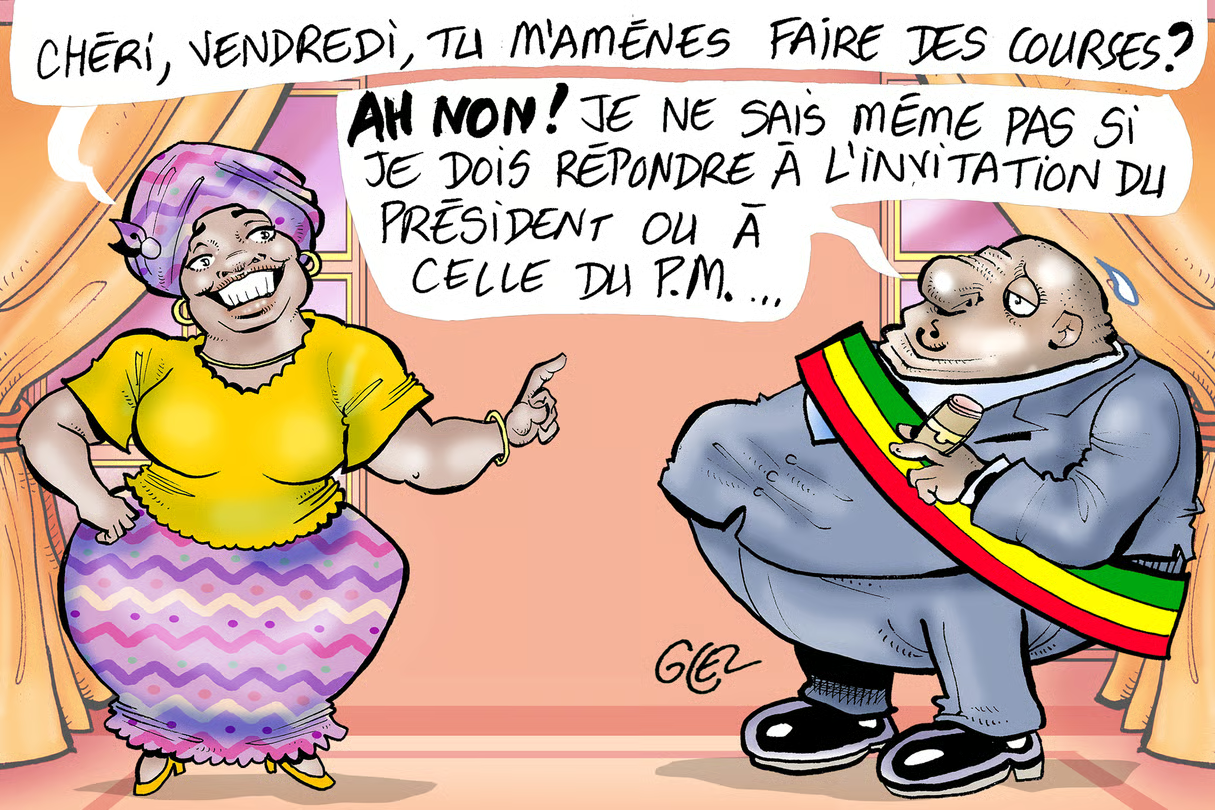
The political landscape in Senegal is witnessing an unprecedented dynamic as President Bassirou Diomaye Faye and opposition figure Ousmane Sonko engage in high-stakes dialogue. These conversations are not just routine discussions but a pivotal moment shaping the nation’s future trajectory.
In recent weeks, the two leaders have intensified their exchanges, seeking common ground amid a backdrop of heightened public expectations. The stakes are high, with both sides aiming to bridge divides that have long defined Senegalese politics. Observers note that these interactions could redefine governance, transparency, and citizen trust in institutions.
What’s driving these discussions?
The urgency behind these talks stems from a combination of internal pressures and external expectations. On one hand, Bassirou Diomaye Faye, the youngest president in Senegal’s history, faces the challenge of delivering on ambitious reforms promised during his campaign. His administration is under scrutiny to address economic disparities, youth unemployment, and governance inefficiencies.
On the other hand, Ousmane Sonko, a prominent opposition leader, has been a vocal advocate for systemic change, particularly in tackling corruption and improving accountability. His influence among the youth and marginalized communities adds weight to his demands for inclusive policies.
Key areas of focus
The dialogue between the two figures is centered on several critical themes:
- Economic revitalization: Strategies to boost local industries, attract foreign investment, and create job opportunities for young Senegalese.
- Institutional transparency: Measures to enhance the integrity of public institutions and reduce bureaucratic bottlenecks.
- Social cohesion: Initiatives to foster unity and address ethnic, religious, and regional divides.
- Youth empowerment: Programs to equip the next generation with skills and opportunities to contribute meaningfully to the nation’s development.
While progress has been gradual, both leaders have shown a willingness to compromise. Recent agreements include the establishment of a joint committee to oversee the implementation of key reforms and a pledge to engage civil society in the decision-making process.
Public reaction and political climate
The Senegalese public remains cautiously optimistic. Many citizens hope these dialogues will translate into tangible improvements in their daily lives. However, skepticism lingers, with some questioning the depth of these commitments and the pace of change.
Political analysts suggest that the outcome of these discussions could either strengthen Senegal’s democratic resilience or deepen existing tensions. The role of civil society, media, and international partners will be crucial in holding both leaders accountable.
As Senegal navigates this delicate phase, the world watches closely. The decisions made in these discussions will not only shape the country’s future but also serve as a model for democratic governance in the region.