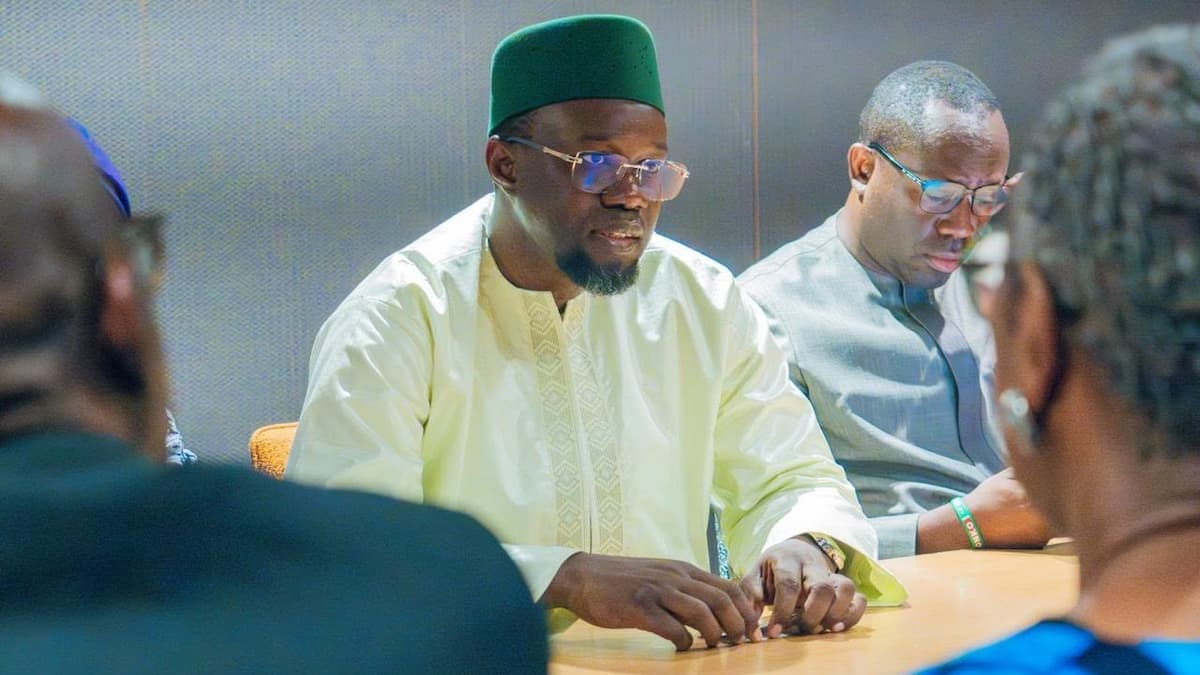
In a fresh twist to a protracted legal saga, the judge overseeing urgent matters at the Supreme Court in Senegal declined jurisdiction over the case concerning Ousmane Sonko’s reinstatement as a member of parliament. The decision hinges on the argument that the matter falls under the internal affairs of the National Assembly, a domain the high court explicitly refrained from interfering with. This ruling follows a petition filed by the Union nationale des indépendants du Sénégal, which contested the validity of the procedure that enabled the Pastef party leader to reclaim his parliamentary seat before ascending to the presidency of the National Assembly.
dual judicial setbacks for opposition
The Supreme Court’s decision adds to a prior setback faced by the opposition, when the Constitutional Council also ruled itself incompetent last June. At the time, eighteen opposition deputies had sought to challenge Sonko’s parliamentary return, arguing procedural irregularities. However, the Council concluded that the contested act did not directly relate to the electoral process, thereby falling outside its purview to rule on national election integrity. With both the Supreme Court and the Constitutional Council declining to rule on the merits, the legal path for opponents seeking to overturn Sonko’s reinstatement remains effectively blocked.
growing criticism of judicial impasse
The Supreme Court’s refusal to intervene has drawn sharp criticism from legal experts and political figures aligned with the opposition. Amadou Guèye, Sonko’s lead attorney, lambasted the decision as a blatant disregard for legal order, echoing broader concerns over what critics describe as a widening judicial void. The opposition has long decried what it perceives as politically motivated maneuvers rather than legitimate legal challenges, with Sonko himself alleging a coordinated political plot orchestrated by adversaries through successive appeals designed to obstruct his parliamentary role.
While the urgent application was dismissed, the broader appeal remains pending, leaving the final outcome of this judicial marathon shrouded in uncertainty. The case continues to deepen rifts between the parliamentary majority—firmly backing Sonko—and segments of the opposition, which have exhausted legal avenues without securing any decisive victories thus far.