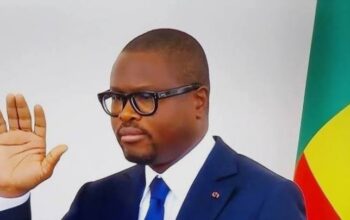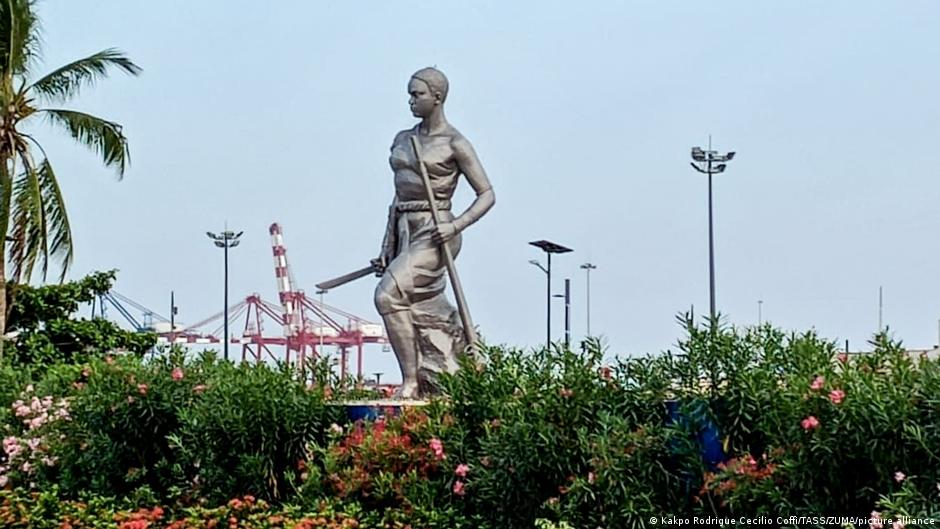
The appointment of Captain Elvire Toupé as aide-de-camp to Benin’s President Romuald Wadagni marks a historic moment for gender representation in the country’s political and military spheres. This groundbreaking decision followed the first Council of Ministers meeting on May 28, elevating her from her role in the Republican Guard to become the first Beninese woman to hold this position since the nation’s independence on August 1, 1960.
Honoring the legacy of the Dahomey Amazons
Political analyst Régis Hounkpè views Captain Toupé’s appointment as a powerful symbol for young Beninese women, drawing parallels to the legendary Dahomey Amazons—elite female warriors who fought alongside the kingdom’s rulers. “These were women, and their legacy remains a source of inspiration,” he notes. “They represent courage, resilience, and determination in the face of challenges, serving as role models in both public life and decision-making circles.”
Journalist Wuldath Moussa Mama echoes this sentiment, suggesting the appointment may signal a broader push for gender inclusion in Benin’s political landscape. “Is this an exception that proves the rule, or does it mark the beginning of a concerted effort to encourage women to take on greater leadership roles?” she asks. “Perhaps this appointment will open doors and inspire more women to step forward.”
Challenges in achieving gender parity
While progress is evident in some areas, female representation in Benin’s political institutions remains limited. The latest government under President Wadagni includes only six women among its ministers, covering portfolios such as foreign affairs, higher education, family affairs, and communications. This follows a previous administration led by Patrice Talon, which had five women in a cabinet of 23.
The current National Assembly, inaugurated in February 2026, features 28 female deputies—25.7% of the total 109 seats. All were elected under a mandatory quota system requiring one female candidate per electoral district. While this marks some improvement, critics argue the system alone is insufficient without deeper structural changes within political parties.
“The picture is still incomplete,” says Wuldath Moussa Mama. “True inclusivity requires more than quotas—it demands active efforts within parties to empower women through leadership training and equitable opportunities.”
She also highlights the symbolic role of Vice President Mariam Chabi Talata Zimé Yérima, the first woman to hold the position since 2021. “While her role is significant as a milestone, it remains largely ceremonial under the constitution,” she explains. “Real change will come when women are not just symbols, but active decision-makers shaping policies.”