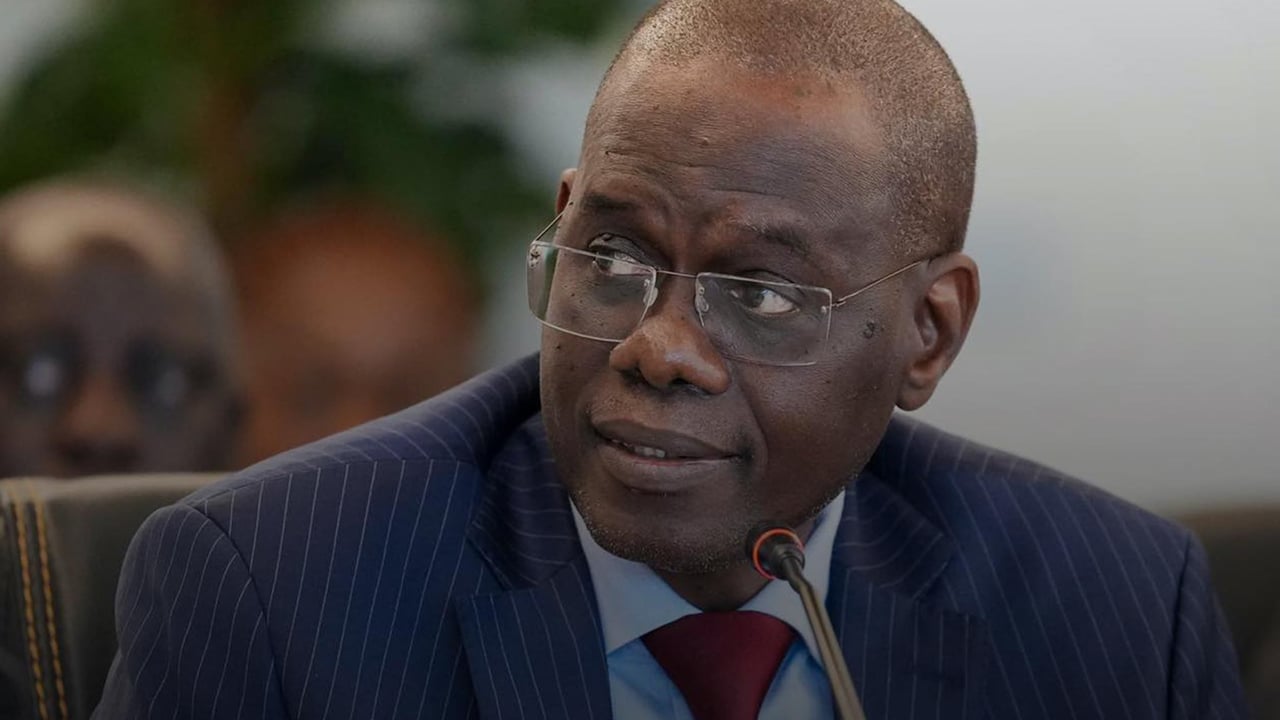

The departure of Ousmane Sonko from Senegal’s political scene has sparked fresh discussions about the country’s debt strategy and potential negotiations with the International Monetary Fund (IMF). With a new administration now in place, questions arise: Can Dakar secure a sustainable financing framework with the IMF to stabilize its economy?
Economic pressures and debt sustainability in Senegal
Since assuming office, President Bassirou Diomaye Faye has inherited a challenging fiscal landscape. Public debt has surged in recent years, driven by infrastructure investments and external borrowing. Analysts warn that without strategic reforms, the burden could escalate, straining the national budget and limiting development spending.
Against this backdrop, the role of international lenders—particularly the IMF—has become central. The Fund’s involvement typically comes with strict conditionalities, including fiscal consolidation, subsidy reductions, and structural adjustments. These measures, while aimed at long-term stability, often spark public debate over their social and economic impact.
Navigating IMF negotiations: Challenges ahead
For Senegal, entering into a program with the IMF would represent a pivotal shift in its debt management approach. Past discussions have stalled over disagreements on reforms and austerity measures. However, the current government’s stance remains a wildcard—will it embrace IMF recommendations or pursue alternative strategies?
IMF Managing Director Kristalina Georgieva has emphasized the need for transparent fiscal policies and debt transparency. Her recent statements suggest cautious optimism about Senegal’s ability to meet the Fund’s criteria, provided there is strong political will and public buy-in.
Key considerations for Senegal’s debt strategy
- Fiscal discipline: Balancing debt repayment with essential public services remains a delicate task.
- Revenue diversification: Reducing reliance on external borrowing by boosting domestic revenue collection.
- Social impact: Ensuring reforms do not disproportionately affect vulnerable populations.
- Investor confidence: Demonstrating stability to attract foreign direct investment.
As Senegal weighs its options, the outcome of these negotiations could redefine its economic future. The decisions made in the coming months will determine whether the country charts a path toward sustainable growth—or faces deeper financial instability.