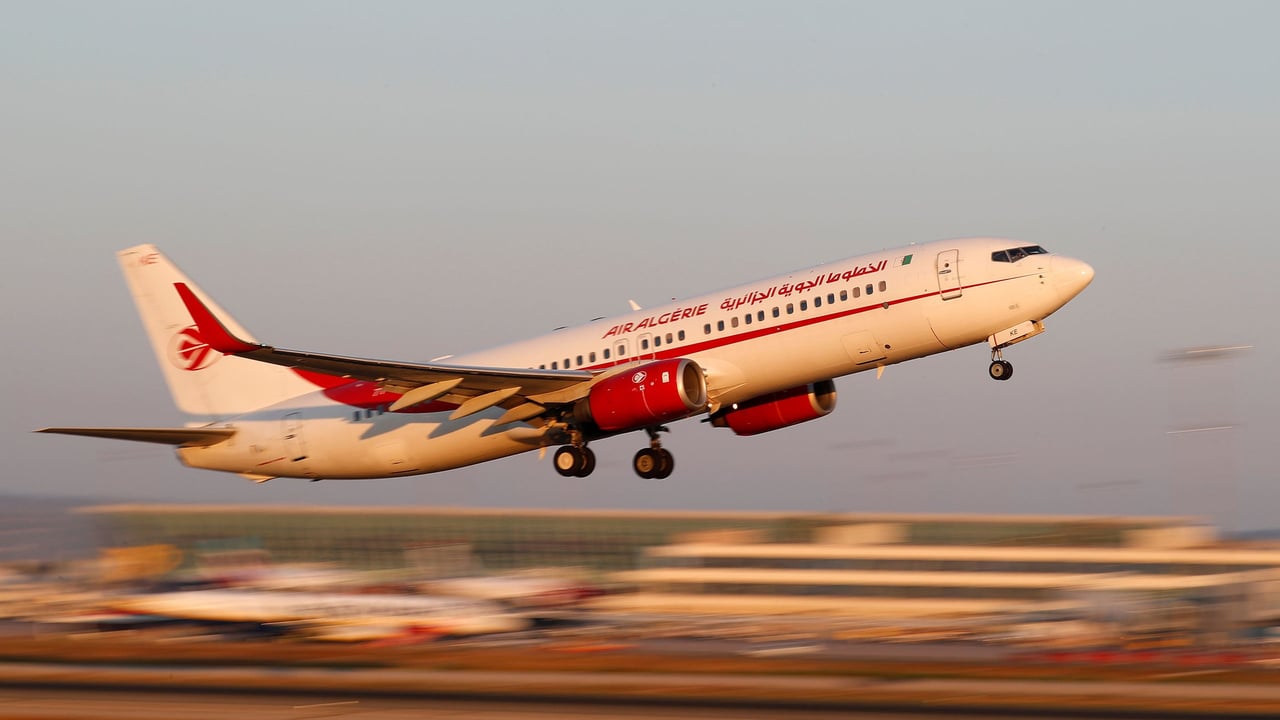

The recent thaw in diplomatic relations between Bamako and Algiers is sending ripples through West Africa’s aviation sector. As the skies clear between Mali and Algeria, carriers like Air France, Brussels Airlines, and Air Algérie stand to gain from restored air corridors, potentially reviving routes long constrained by regional tensions.
The easing of restrictions follows high-level negotiations between Malian and Algerian authorities, signaling a fresh chapter in Sahelian connectivity. For airlines operating in the region, this rapprochement could translate into expanded flight schedules, shorter travel times, and improved cargo logistics, benefiting both passengers and businesses alike.
What the thaw means for airlines and travelers
The three major carriers mentioned—Air France, Brussels Airlines, and Air Algérie—are positioned to capitalize on the opening of Malian airspace to Algerian flights. Historically, strained relations between the two capitals had forced airlines to reroute flights, adding unnecessary costs and delays for travelers heading to or from destinations in both countries.
With the lifting of prior limitations, airlines can now optimize their flight paths, reducing fuel consumption and operational expenses. Travelers, in turn, will benefit from more frequent and direct flights, making trips between Bamako and Algiers smoother and more affordable.
Air Algérie leads the charge
As the national carrier of Algeria, Air Algérie is expected to be the first to fully exploit the renewed access to Malian skies. The airline has already indicated plans to increase the number of weekly flights between Algiers and Bamako, aiming to meet growing demand for both passenger and freight transport. Industry observers note that this move could strengthen Air Algérie’s position as a key player in West African aviation.
Competitive edge for European carriers
Air France and Brussels Airlines, both long-established in the region, will also see advantages from the restored air corridors. For Air France, which operates multiple routes connecting Europe to West Africa, the ability to fly directly over Malian airspace without detours could shave off valuable hours from long-haul flights. Brussels Airlines, which serves key hubs in the Sahel, may similarly benefit by offering more competitive pricing and improved connectivity for its passengers.
The timing of this development coincides with a broader push for regional integration in the Sahel. As Mali and Algeria work to rebuild trust, other West African nations may follow suit, further unlocking the potential of intra-African air travel.
Challenges and opportunities ahead
While the outlook is promising, challenges remain. Security concerns in parts of the Sahel could still pose risks to smooth operations. Airlines will need to work closely with local authorities to ensure safe and uninterrupted service. Additionally, the economic impact of the pandemic has left some carriers in a precarious position, making it essential to balance expansion with financial prudence.
Still, the signs are encouraging. For passengers, the resumption of direct flights between Bamako and Algiers will be a welcome relief after years of indirect or disrupted travel. For airlines, it represents a strategic opportunity to reclaim lost ground and tap into a growing market.
The skies over West Africa are opening up, and with them, new possibilities for connectivity, commerce, and collaboration.