France-Morocco ties: Rabat’s growing influence in the Sahel
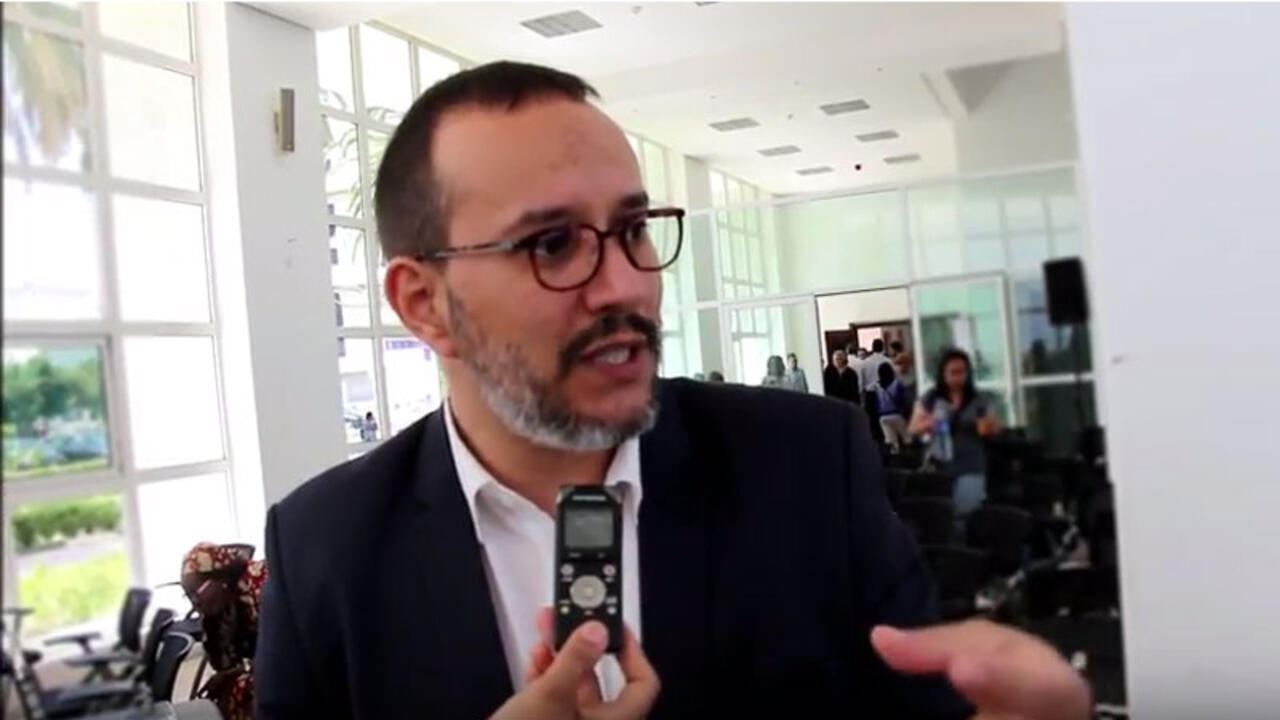
French Prime Minister Sébastien Lecornu arrived in Morocco on July 15, leading a high-level delegation of over a dozen ministers. While several agreements are expected to be signed during the visit, tensions over human rights issues have emerged, as Rabat pursues legal action against a journalist and an artist. Mehdi Alioua, a sociologist at the International University of Rabat and holder of the Migration, Mobility, and Cosmopolitanism Chair, shares insights on Paris-Rabat relations and their broader implications for Africa.
RFI: A subtle rivalry seems to be unfolding between France and Morocco in sub-Saharan Africa—where France faces challenges or adjusts its approach, Morocco steps in with investments and influence. Has Morocco become the unseen rival France never anticipated in its traditional African spheres?
Mehdi Alioua: Partly yes, but not entirely. First, no, because much of Morocco’s investments are conducted in joint-venture with French firms or in alignment with French diplomacy. There is strong South-South cooperation, but it also thrives on North-South collaboration through the historical ties between Rabat and Paris. Yet, yes, because Morocco has gone further, with fully Moroccan-led investments and a clear diplomatic vision—championed by the King—of an Africa-focused policy for the continent.
In the Sahel, where relations between France and the AES countries have deteriorated, Morocco’s growing influence could it play a role in easing tensions?
Morocco is earnestly trying to bridge these divides. However, the issue isn’t necessarily about strained relations between peoples—it’s more complex. Take Mali, for instance: many Franco-Malians feel the strain isn’t at the societal level but stems from political shifts. New regimes have exploited anti-French sentiment for populist gains. Morocco’s diplomacy, however, operates differently. Our ties with Sahelian nations stretch back millennia, predating Islam and deepening with its spread. One need only recall the Almoravid dynasty, whose name inspired the French term marabout, originating from the Sahel and ruling an empire from Aghmat near Marrakech, spanning from Spain to present-day Guinea and Mali. These enduring connections allow Morocco to leverage historical diplomacy. Though separated by the Sahara, we’ve navigated this terrain for centuries.
Domestically, Morocco has recently detained prominent critics, including Franco-Moroccan journalist Ali Lmrabet and rapper Mehdi Black Wind. Should this be a cause for concern?
Prison sentences for journalists or artists should always raise concerns. The judiciary, in principle, operates independently, and those detained have the right to defend themselves. The journalist has been released but remains under investigation. The case involving the rapper is less clear, but human rights lawyers and activists are mobilizing to support them. Morocco has made significant strides in advancing human rights and legal procedures, though occasional setbacks occur.
Does Morocco still hold the same allure it once did in sub-Saharan Africa? Returning to the France-Morocco dynamic, does Rabat match—or surpass—the appeal Paris once had?
No, not yet. However, Morocco is increasingly attractive, thanks to deliberate efforts by its authorities. The FIFA Africa Cup of Nations is a case in point: Morocco invested heavily to deliver a memorable tournament, but the fragility of this appeal became evident when tensions arose with Senegal in the final, turning African opinion against Morocco. Locally, many questioned why so much was spent on stadiums amid persistent poverty. Additionally, claims of European-level pitches without humility undermined Morocco’s diplomatic standing in Africa. The reality is nuanced—Morocco attracts but also sparks unease. It won’t rival France’s allure until it achieves higher economic development and greater wealth. Only then might it draw as much—or more—attention than Paris.