West Africa’s press freedom crisis: Niger’s media landscape under threat
The Sahel region is witnessing a troubling decline in press freedom, with Niger emerging as a focal point of concern. Since the 2023 coup d’état, journalists and media outlets have faced mounting challenges, including arrests, regulatory restrictions, and economic pressures. The recent disappearance of investigative journalist Moussa Kaka has intensified fears about the state of press freedom in the country.
Political turmoil fuels media crackdowns
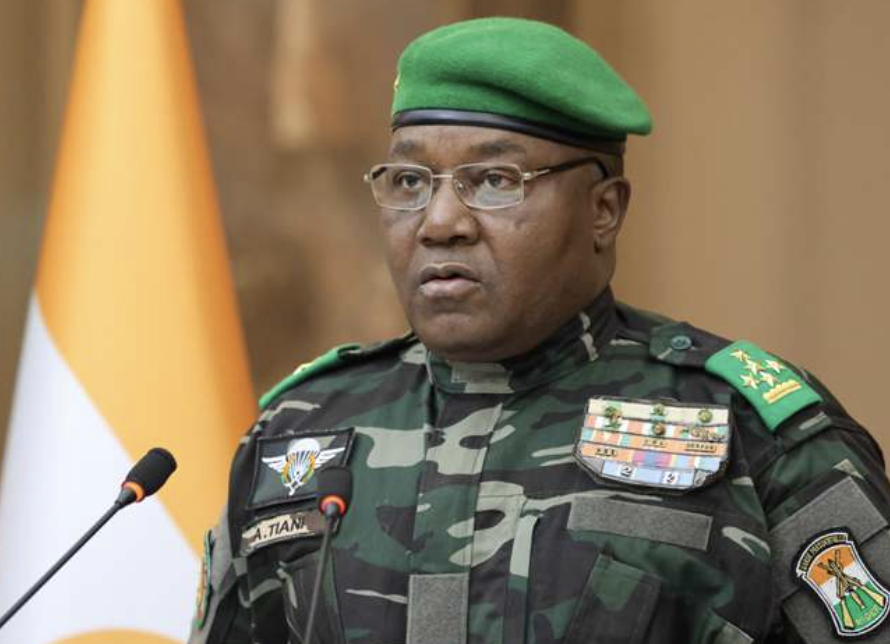
The July 2023 coup that brought General Abdourahamane Tiani to power marked a turning point for Niger’s media. Since then, authorities have tightened control over independent journalism, leading to a dramatic drop in global press freedom rankings. Reporters Without Borders (RSF) reports that Niger has plummeted 37 places in its World Press Freedom Index, now ranking 120th out of 180 countries.
Among recent high-profile cases:
- Moussa Kaka, a prominent journalist, vanished on August 31, 2026, after leaving the offices of Radio-télévision Saraounia (RTS) in Niamey. His disappearance followed a violent mutiny in the capital, raising suspicions among international observers.
- Ibro Chaibou, a RTS editorial secretary, was detained in October 2025 under cybercrime laws before his eventual release.
- Samira Sabou, a journalist, was held in secret detention for eight days in 2023 on charges related to the dissemination of information deemed harmful to public order.
Regulatory tightening and economic strain
The Nigerien government has introduced sweeping new regulations targeting electronic media and foreign correspondents. A September 10, 2026 cabinet meeting approved two draft laws designed to further restrict journalistic activity. These measures, critics argue, are part of a broader effort to suppress dissent and limit public access to independent information.
Economic challenges compound the crisis. Many media outlets struggle to survive amid declining advertising revenue and rising operational costs. The combination of political repression, legal constraints, and financial instability has created a hostile environment for journalists across Niger.
International outcry and calls for accountability
Human rights organizations and press freedom advocates have condemned Niger’s actions. Nine French media outlets have been suspended by the National Observatory of Communication, drawing sharp criticism from international bodies. Civil society groups are demanding transparency regarding Moussa Kaka’s whereabouts and an end to the crackdown on independent journalism.
As the situation continues to deteriorate, the future of press freedom in Niger hangs in the balance. With civic space shrinking and journalists facing unprecedented risks, the international community is closely monitoring developments in this West African nation.
What’s next for Niger’s media landscape?
The coming months will be critical in determining whether Niger can reverse its downward slide in press freedom. Will international pressure lead to reforms, or will the crackdown intensify? Stay tuned for updates on this evolving story.