West Africa faces severe political instability, with multiple coups d’état since 2020, particularly in the Sahel region, Guinea, and Guinea-Bissau. This wave of unrest has also reached Benin, where a recent military mutiny has raised concerns about regional security.
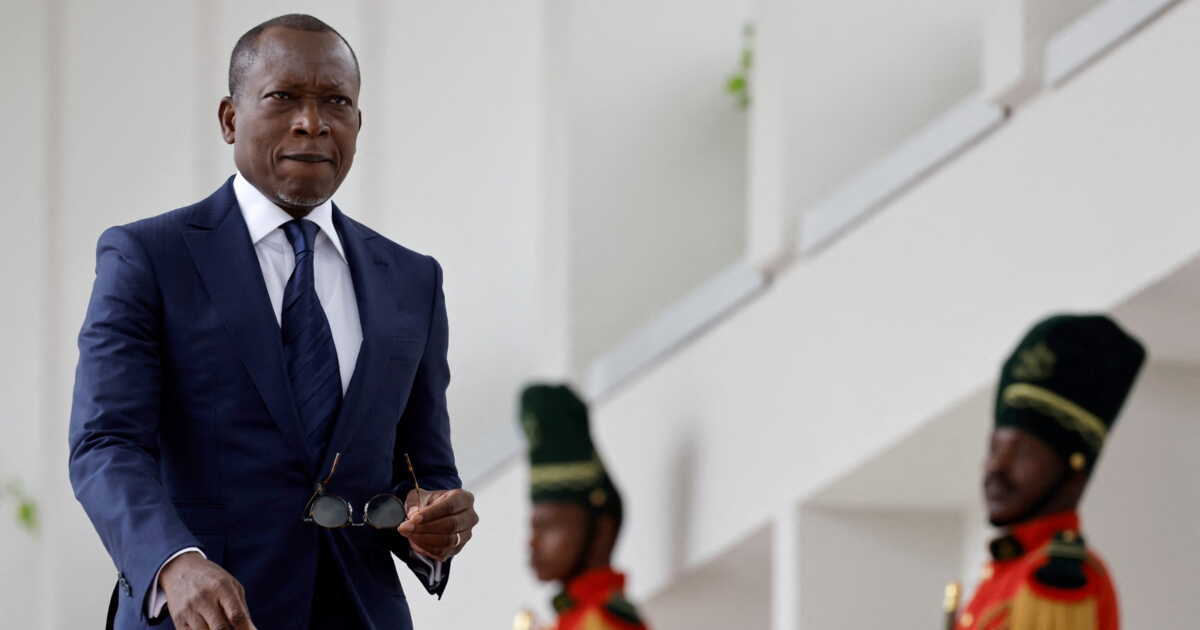
Juntas in Burkina Faso, Niger, and Mali have openly challenged France, the former colonial power, since seizing control. In response, French President Emmanuel Macron has intensified diplomatic efforts, coordinating with regional leaders, including Benin’s President Patrice Talon—a key target of the recent coup.
A senior advisor to Macron confirmed: “France fully supports ECOWAS’ decisive actions this weekend to restore constitutional order.”
coup attempt unfolds in Cotonou
On Sunday morning, eight soldiers broadcast a televised statement declaring they had ousted President Talon. After a tense day in Cotonou, the capital, the President reassured the nation that the situation was “fully under control.” However, clashes between mutineers and loyal forces resulted in several casualties.
To regain control, Benin received critical support from neighboring Nigeria. Abuja launched airstrikes on the Togbin military base, where rebels had barricaded themselves after their televised announcement. Nigerian ground troops also intervened, securing the base by Monday morning.
regional response and ongoing threats
ECOWAS swiftly condemned the coup, dispatching military reinforcements from four member states to safeguard constitutional rule. Omar Alieu Touray, ECOWAS Commission President, declared the region in a state of emergency, citing both jihadist threats and political instability.
While a dozen soldiers have been detained, the coup’s alleged leader, Lieutenant-Colonel Pascal Tigri, remains at large. The rebels had briefly held two high-ranking officers hostage—Army Chief of Staff Abou Issa and National Guard Chief Faïzou Gomina—before their release on Monday.
Despite the turmoil, life in Cotonou resumed quickly. President Talon, in office since 2016, is constitutionally barred from seeking re-election in April’s presidential vote. His chosen successor, Finance Minister Romuald Wadagni, is the frontrunner, though the opposition Démocrates party has been excluded due to insufficient endorsements.
Former President Thomas Boni Yayi, now leading the Démocrates, condemned the coup, stating: “I firmly reject this violent and reprehensible attack on our nation.” He also emphasized the need for “free and transparent elections.”
ECOWAS leaders warn that elections have become a major trigger for instability in the region, citing a “growing erosion of electoral inclusivity” across member states.