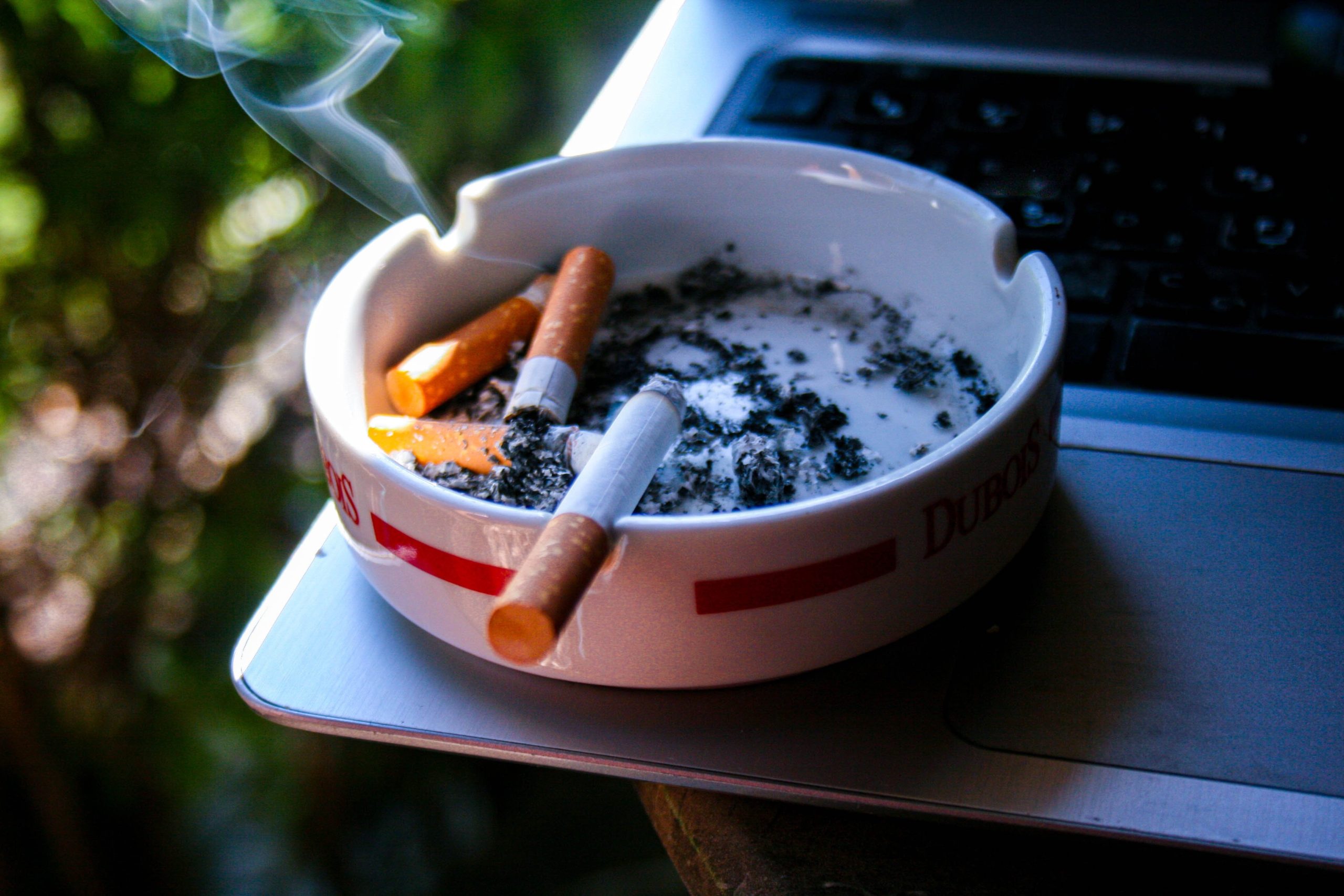
Fifteen years after the adoption of a strict anti-smoking law, smoking in public spaces remains widespread and largely unpunished in Chad, especially in the capital city of N’Djamena.
In N’Djamena, the gap between legislation and reality is impossible to miss. A stroll through major markets like Marché Central or Dembé reveals vendors and customers casually puffing away amid crowds. The acrid scent of cigarette smoke blends with dust and the aroma of grilled food.
« We’re so used to breathing in cigarette smoke here that it feels normal. Officials have made decisions about this, but nobody follows them. It’s unacceptable », says Pélagie, a fish vendor at Dembé market.
Christian, a local resident, adds, « In other countries, designated smoking areas exist, but here in Chad, everyone’s exposed to secondhand smoke. Even schools and hospitals have smokers. The government needs to step up and enforce these rules ».
From bars and restaurants to taxis, secondhand smoke engulfs non-smokers throughout the city. « I suffer from asthma and severe allergies to both cigarette and shisha smoke. That’s why I’ve stopped going to restaurants—nobody respects the no-smoking rules », explains an asthmatic resident.
Passive smoking poses serious health risks, including increased chances of cancer, heart disease, and respiratory illnesses. Children and pregnant women are particularly vulnerable. Environmental hazards also arise from discarded cigarette butts, which litter streets and can spark fires.
The law n° 010/PR/2010, enacted on June 10, 2010, bans smoking in all public spaces, enclosed workplaces, and public transport. It also safeguards minors and pregnant women while outlining penalties for violations. Additional decrees, such as n° 1522/PR/MSP/2019, clarify enforcement procedures. The Ministry of Public Health and N’Djamena city officials have launched awareness campaigns and even formed an anti-tobacco task force. Yet, despite these efforts, over a decade later, compliance remains dismally low.