Over 400 women and children freed from Boko Haram captivity in Borno, Nigeria
More than 400 people, mostly women and children abducted by Boko Haram in northeastern Nigeria, have been released. The circumstances surrounding their liberation remain unknown.
Relief in northeastern Nigeria. More than 400 women and children kidnapped by the jihadist group Boko Haram have been freed after several months in captivity in Borno State, according to local officials.
According to information released on Sunday, 416 people from the village of Ngoshe regained their freedom on Saturday, June 6. The news was confirmed by Senator Mohammed Ali Ndume and local youth representatives.
A village frequently targeted
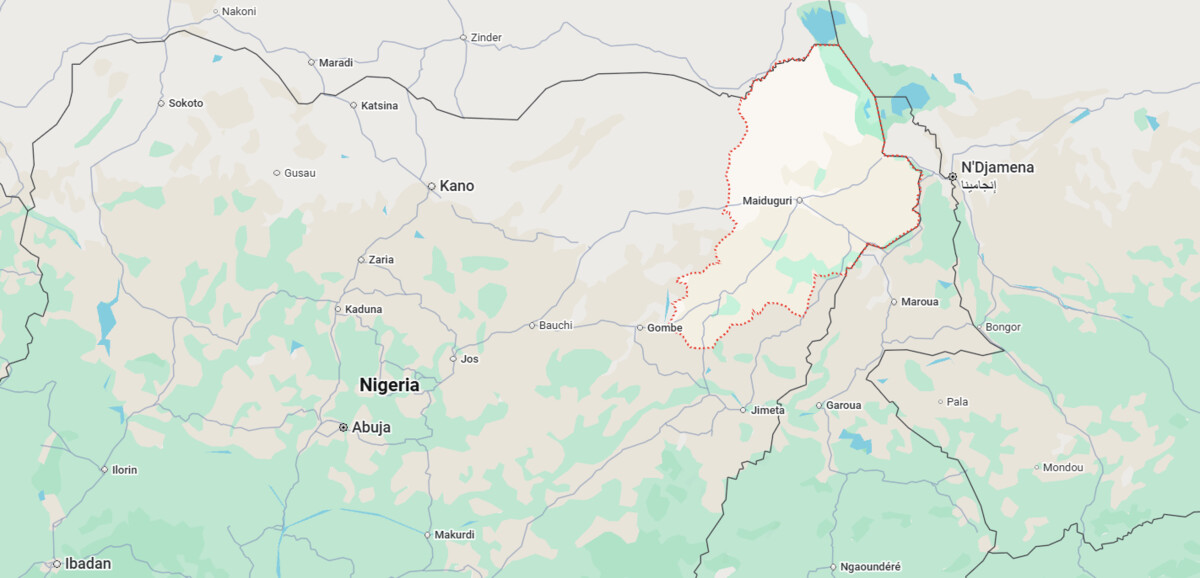
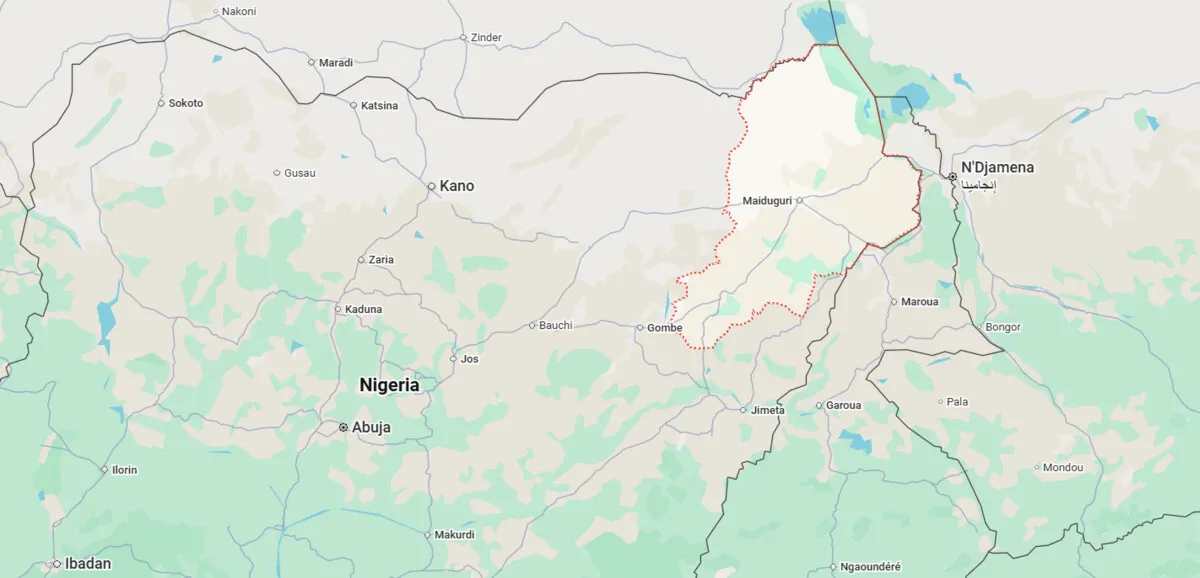
The village of Ngoshe, located less than ten kilometers from the border with Cameroon, lies in the Gwoza region, one of Boko Haram’s historical strongholds.
This area has been regularly hit by jihadist attacks since the start of the armed insurgency that has shaken northeastern Nigeria since 2009.
Mystery surrounding release conditions
No official information has been given about the circumstances of this mass release. Local officials involved in negotiations with the captors did not specify whether a ransom was paid.
Nigerian authorities often claim they do not negotiate with armed groups. However, several expert reports indicate that ransom payments remain a common practice for securing hostage releases.
A region still scarred by violence
For more than fifteen years, violence by Boko Haram and its rival, the Islamic State in West Africa, has killed tens of thousands of people and displaced millions in northeastern Nigeria.
Mass kidnappings remain one of the main funding sources for armed groups operating in the region.