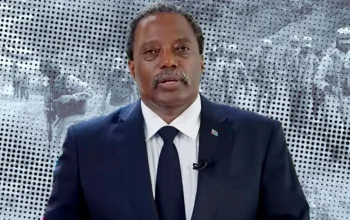
From opposition firebrand to governance disappointment
The once-revered opposition leader who promised to radically transform Senegal now faces a harsh reality: two years in power have exposed more than just policy failures. The visionary rhetoric that once electrified crowds has collided with the unyielding demands of governance, leaving citizens disillusioned and institutions strained.
The transition from protest podiums to presidential palace has been anything but smooth. Where youthful voters once saw a champion of change, they now witness economic stagnation, unmet job creation promises, and a leadership style that prioritizes partisan loyalty over national progress. The gap between campaign slogans and governance results has never been wider.
A legacy of unfulfilled expectations
Senegal’s current political landscape reflects a troubling pattern:
- Economic mismanagement: Despite promises of systemic reform, key sectors remain stagnant, with youth unemployment and purchasing power erosion deepening social frustrations.
- Ethical contradictions: The leader who vowed to purify public life now presides over a government where nepotism and lack of transparency have become defining traits.
- Institutional erosion: The controversial reshaping of parliamentary procedures has drawn sharp criticism from legal experts, who warn of authoritarian tendencies disguised as democratic reform.
Constitutional overreach and democratic backsliding
The most glaring misstep? The manipulation of institutional frameworks to consolidate power. By circumventing parliamentary oversight, the administration has raised alarms about its commitment to democratic norms. Legal scholars describe the moves as unconstitutional, signaling a dangerous precedent where executive authority is prioritized over checks and balances.
This centralization of power not only undermines governance but also erodes public trust in institutions designed to protect democracy. The youth, who once rallied behind the promise of renewal, now witness a leadership that appears more concerned with control than with solutions.
The myth of the savior leader
Senegal does not need self-proclaimed messiahs or prophets of revolution. The harsh truth is that governance requires technical competence, ethical consistency, and respect for the rule of law—none of which have been demonstrated in full measure. The two-year assessment reveals a pattern of broken promises, ethical lapses, and institutional overreach.
Citizens are now called to judge not by rhetorical passion, but by concrete actions. The illusion of a Messianic leader has collapsed, leaving behind a hollow legacy and a nation grappling with the consequences of unmet expectations.
The time for denial is over. Senegal deserves leadership that delivers results, not one that clings to power through constitutional manipulation. The future of the country hinges on accountability, transparency, and a return to the values that define a true democracy.