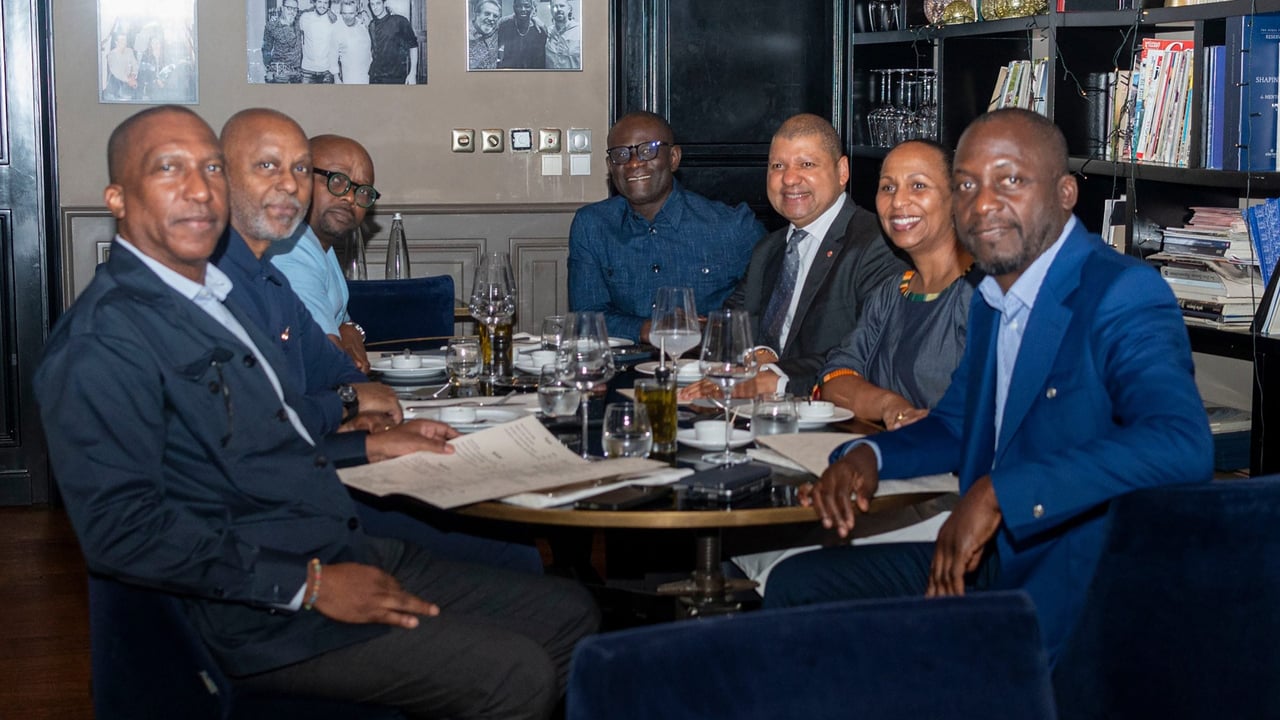
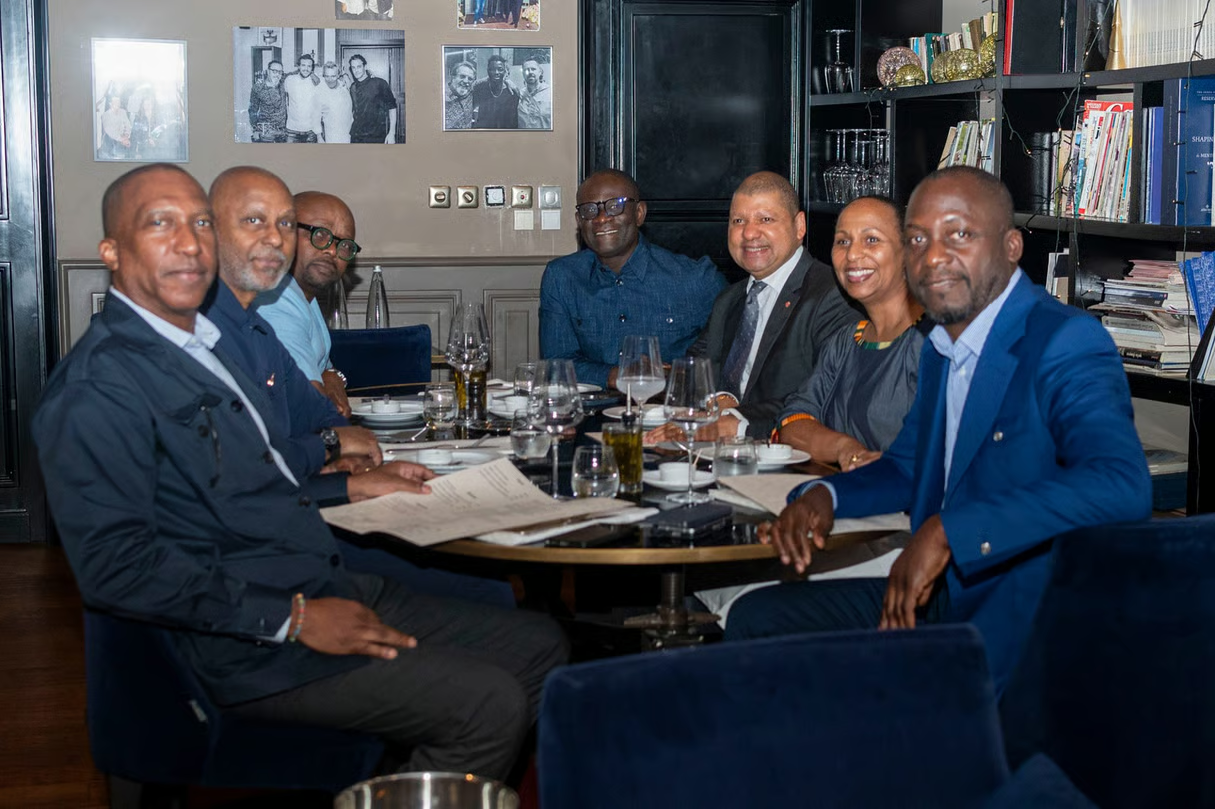
Recent closed-door meetings among top leaders of the Parti Démocratique de Côte d’Ivoire (PDCI-RDA) signal a concerted push to address deepening internal divisions. Figures like Jean-Louis Billon and Jean-Marc Yacé have been at the forefront of these efforts, engaging in high-level discussions aimed at restoring cohesion within the party’s ranks.
These gatherings, which included influential party members, reflect a strategic response to mounting pressures. The goal is clear: prevent further fragmentation and reinforce the party’s unity ahead of upcoming challenges. The timing of these meetings—held against the backdrop of heightened political activity—suggests a proactive stance to safeguard the party’s influence.
Strategic meetings and leadership dynamics
The June 2 gathering in Abidjan, which brought together key figures like Billon, was more than a casual encounter. It underscored the urgency among PDCI-RDA cadres to align their strategies and present a united front. Observers note that such initiatives are critical in maintaining the party’s relevance in Côte d’Ivoire’s evolving political landscape.
The discussions reportedly focused on several fronts: leadership consolidation, policy alignment, and internal communication. Jean-Marc Yacé, a prominent voice within the party, has been vocal about the need for transparency and collective decision-making to bridge gaps between factions. His statements highlight the broader sentiment among party cadres who seek to move past recent disputes.
Challenges and opportunities ahead
While the party’s leadership appears committed to reconciliation, the road ahead is fraught with challenges. The PDCI-RDA, once a dominant force in Ivorian politics, now faces stiff competition from emerging political movements. The internal cohesion it seeks to rebuild will be tested as the party navigates shifting alliances and voter expectations.
The ability to consolidate its base while appealing to new demographics will determine the party’s trajectory. For leaders like Billon and Yacé, the stakes are high—not just for the party’s future, but for the broader political stability of Côte d’Ivoire. Their efforts to recalibrate the party’s direction could redefine its role in the country’s democratic process.
The coming weeks will reveal whether these behind-the-scenes maneuvers translate into tangible progress. For now, the PDCI-RDA’s leadership is working against the clock to ensure that internal fractures do not derail its ambitions.