Burkina Faso calls for sweeping reforms in African Union operations
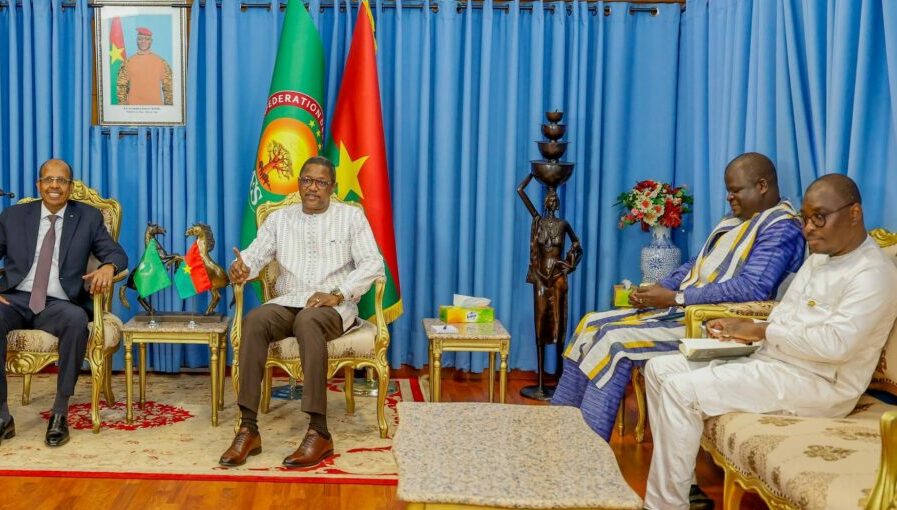
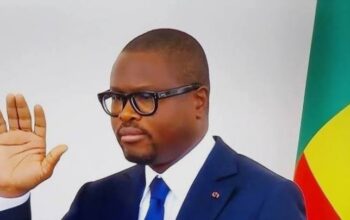
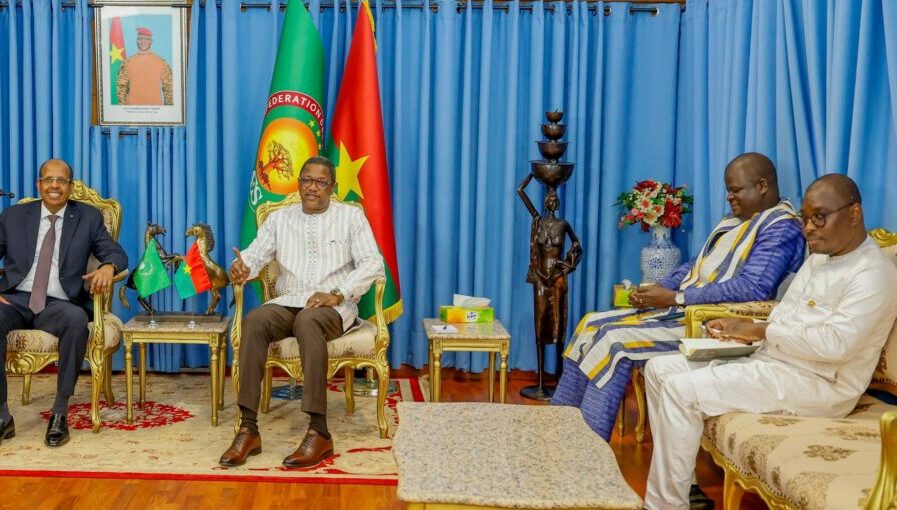
The Foreign Minister of Burkina Faso, Karamoko Jean Marie Traoré, held a high-level meeting with the Chairperson of the African Union Commission, Mahamoud Ali Youssouf, during his ongoing tour of the three member states of the Alliance of Sahel States (AES)—Burkina Faso, Mali, and Niger.
During the meeting, both officials engaged in a comprehensive discussion on the current state of cooperation between the African Union and Burkina Faso, as well as broader relations between the AU and the AES bloc. A detailed communiqué from the Burkina Faso Ministry of Foreign Affairs highlighted key topics addressed during the talks.
Key issues on the agenda
- The political and security situation in Burkina Faso
- Strengthening bilateral relations between Burkina Faso and its neighboring countries
- The ongoing negotiation process between the Economic Community of West African States (ECOWAS) and the AES
- The urgent need for structural reforms and innovative mechanisms within the AU
Mahamoud Ali Youssouf emphasized that his visit was aimed at revitalizing the AU’s partnership with Burkina Faso, centered on the principles of integration and continental solidarity. Addressing the multifaceted challenges facing the Sahel region, he outlined a three-pillar strategy—governance, security, and sustainable development—to guide the AU’s engagement in the area.
He also underscored the AU’s commitment to deepening collaboration with Burkina Faso by activating specialized AU agencies in the country and launching initiatives designed to tangibly improve the well-being of local communities.
Karamoko Jean Marie Traoré provided historical context for the formation of the AES, attributing its creation to a perceived lack of continental solidarity in the face of escalating security threats. He stressed the need for the AU to adopt pragmatic and transformative reforms to prevent further disillusionment among member states that have taken independent steps to secure their populations and reclaim full sovereignty.
The Burkinabè diplomat also outlined a vision for a modernized AU, highlighting the critical importance of financial autonomy. He argued that excessive reliance on external funding constrains the continent’s ability to make strategic decisions without external influence.
Traoré further emphasized the pivotal role of strategic communication in shaping Africa’s narrative. He believes that a robust communication framework would help showcase the continent’s progress and potential, countering negative external media portrayals.
Additionally, he advocated for a more inclusive and people-centered approach to AU operations, encouraging closer diplomatic engagement with African citizens to foster trust and accountability.
Both leaders concluded the meeting with a shared commitment to enhancing the AU’s effectiveness and responsiveness to the evolving needs of its member states.