In a landmark announcement that set the tone for national development priorities, the Benin government revealed a sweeping social investment initiative valued at 31 billion West African francs (FCFA) during a gathering in Toviklin on 15 July 2026. The initiative, unveiled before an audience of educators, local leaders, and community representatives from all six communes of the Couffo region, marks a decisive step toward turning campaign promises into tangible improvements in daily life.
Emergency healthcare takes center stage with billion-franc lifeline
The most emotionally resonant component of the plan is a 1 billion FCFA allocation dedicated to emergency medical response. This unprecedented funding signals a fundamental shift in national health policy: immediate care before payment. The measure directly addresses a long-standing injustice where life-saving treatment was previously conditional on upfront financial capacity.
The government made it clear that emergency care is no longer negotiable. As articulated by the Minister of State, “In a life-threatening situation, treatment comes first—payment comes later. No patient will be denied oxygen because of an unpaid invoice.” To ensure nationwide consistency and prevent local discrepancies, stringent monitoring systems will be implemented across all health districts.
20 billion FCFA to transform school infrastructure and boost education
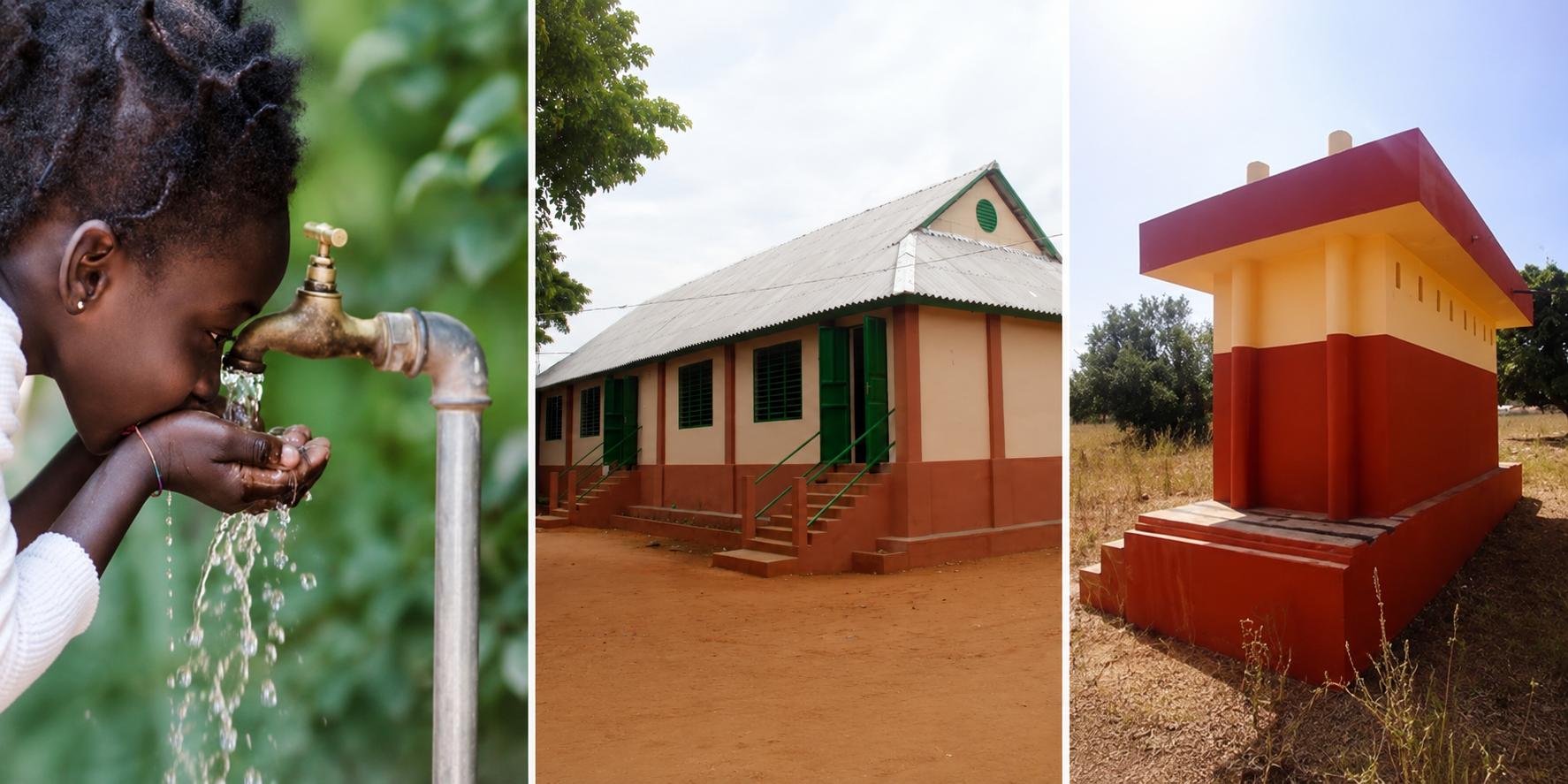
A staggering 20 billion FCFA has been earmarked to address a silent crisis in Benin’s education system: the chronic absence of basic amenities in schools. This allocation will fund critical infrastructure upgrades, including potable water access, reliable electricity, and gender-segregated sanitation facilities. These changes are expected to significantly reduce absenteeism, especially among adolescent girls, and restore dignity to the learning environment.
10 billion FCFA to electrify and water rural health centers
With a 10 billion FCFA investment, the government aims to strengthen primary healthcare by ensuring uninterrupted access to electricity and clean water in rural clinics. Recognizing the vulnerability of traditional power grids, the plan prioritizes solar photovoltaic systems to guarantee 24/7 operational capacity—critical for nighttime procedures such as emergency C-sections. Reliable water access is also being integrated to uphold hygiene standards and safeguard patient safety.
A coordinated vision built from the ground up
Far from a collection of isolated initiatives, these funding commitments form a cohesive strategy grounded in community-level development. By strengthening the foundations of essential social services, the administration led by President Romuald Wadagni is laying the groundwork for sustainable progress. The announcement in Toviklin resonated deeply with attendees, who now await the swift and transparent implementation of these projects. Residents are calling for immediate action—from functional boreholes to operational classroom facilities—urging that promises translate into visible results on the ground.