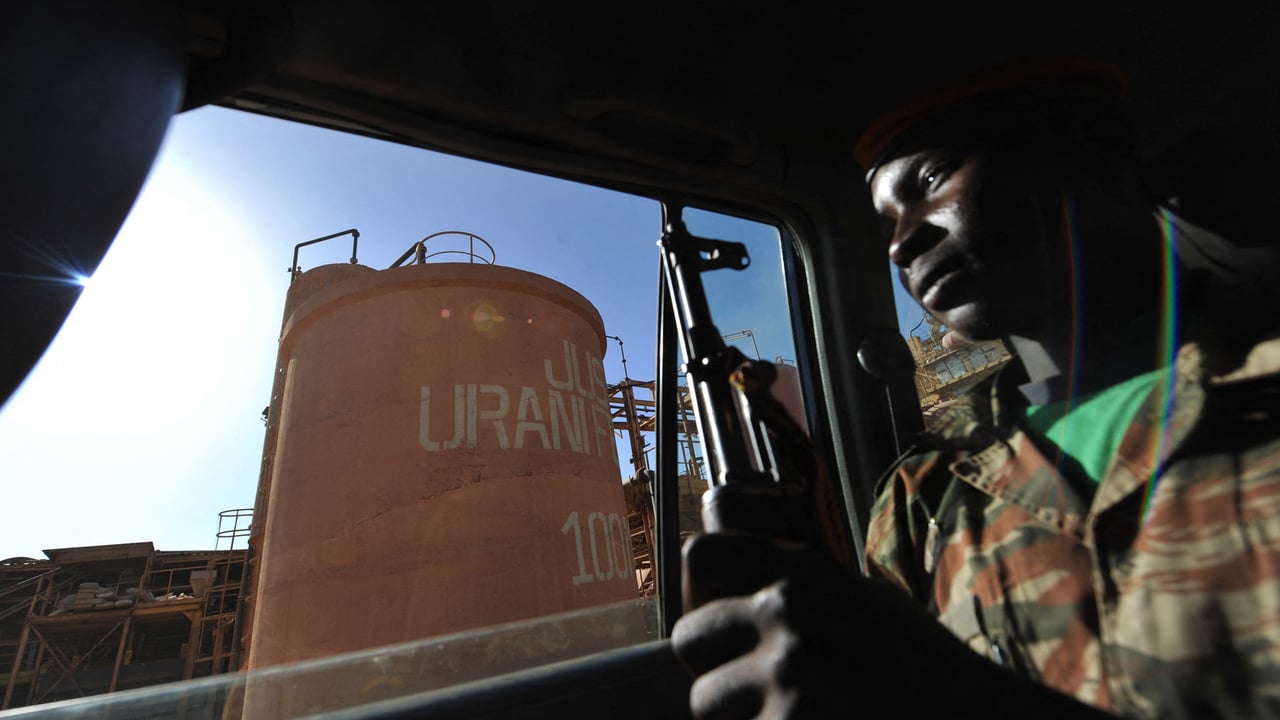

The uranium industry in Niger is caught in a complex web of legal disputes and stalled trade negotiations, threatening to disrupt one of the country’s most vital economic sectors. As global demand for nuclear energy grows, the nation’s vast uranium reserves—primarily extracted in the northern regions of Arlit and Akouta—are at the center of a high-stakes tug-of-war.
Legal battles stall operations
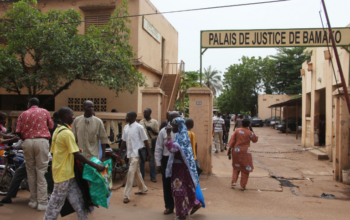
Recent court rulings have frozen key operations at several mining sites, with authorities citing violations of environmental and labor regulations. The Conseil d’État has suspended permits for two major uranium producers, halting production at facilities that account for nearly 70% of the country’s output. Industry insiders report that these decisions stem from unresolved disputes over land use rights and community compensation agreements.
Legal experts warn that prolonged litigation could deter foreign investors, already wary of the region’s security challenges. Orano, the French multinational that operates the SOMAÏR and COMINAK mines in Niger, has filed appeals, but uncertainty lingers over the timeline for resumption of full-scale operations.
Trade tensions disrupt exports
Beyond legal hurdles, Niger’s uranium sector faces mounting pressure from international buyers. European energy firms, traditionally major purchasers, have reduced orders amid geopolitical tensions and shifting energy policies. The Nigerien government has accused some buyers of breaching long-term supply contracts, further complicating export logistics.
In response, officials have explored alternative markets, including China and India, but logistical barriers and price negotiations remain unresolved. The standoff has left stockpiles at mines swelling, with storage costs mounting and cash flow tightening for operators.
Economic ripple effects
The paralysis in Niger’s uranium industry is sending shockwaves through the national economy. Uranium exports, which once accounted for over 70% of foreign earnings, now face a steep decline. Government revenues have dwindled, forcing budget cuts in critical sectors like healthcare and education. Local communities near mining sites report rising unemployment as contractors downsize operations.
Economists highlight the urgency of resolving these disputes to restore investor confidence. With global uranium prices stabilizing after years of volatility, Niger risks missing a crucial window to capitalize on renewed interest in nuclear fuel.
Path forward uncertain
Diplomatic efforts are underway to broker a resolution, with the Economic Community of West African States (ECOWAS) mediating between the government and mining companies. However, progress remains sluggish. Meanwhile, civil society groups are urging authorities to prioritize transparency in contract renegotiations to prevent further erosion of public trust.
For Niger, the stakes could not be higher. As the world’s fourth-largest uranium producer, the country’s ability to navigate these challenges will determine not only the fate of its mining sector but also its broader economic trajectory in an era of energy transition.